Debate: Narratives, past and future
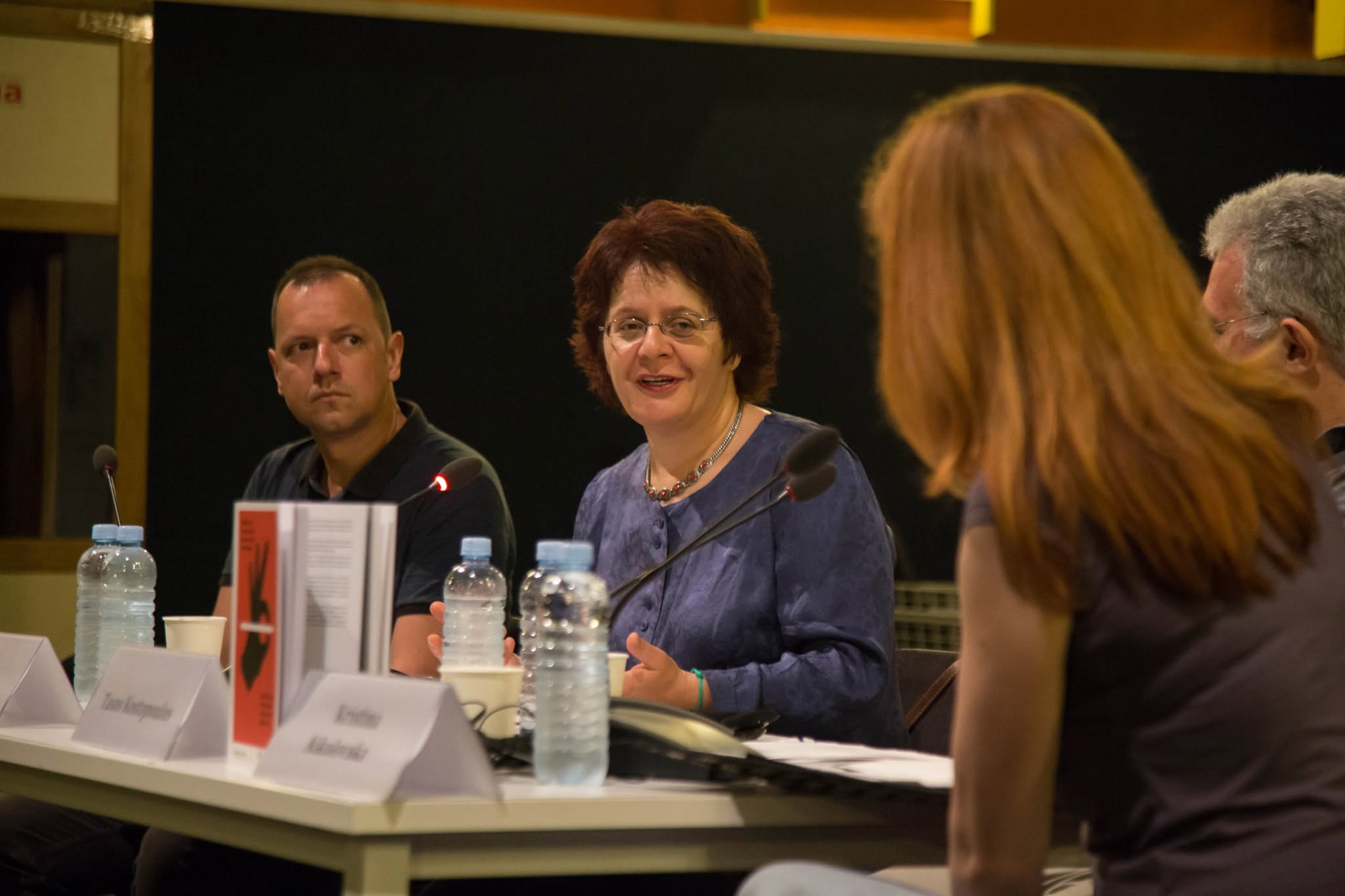
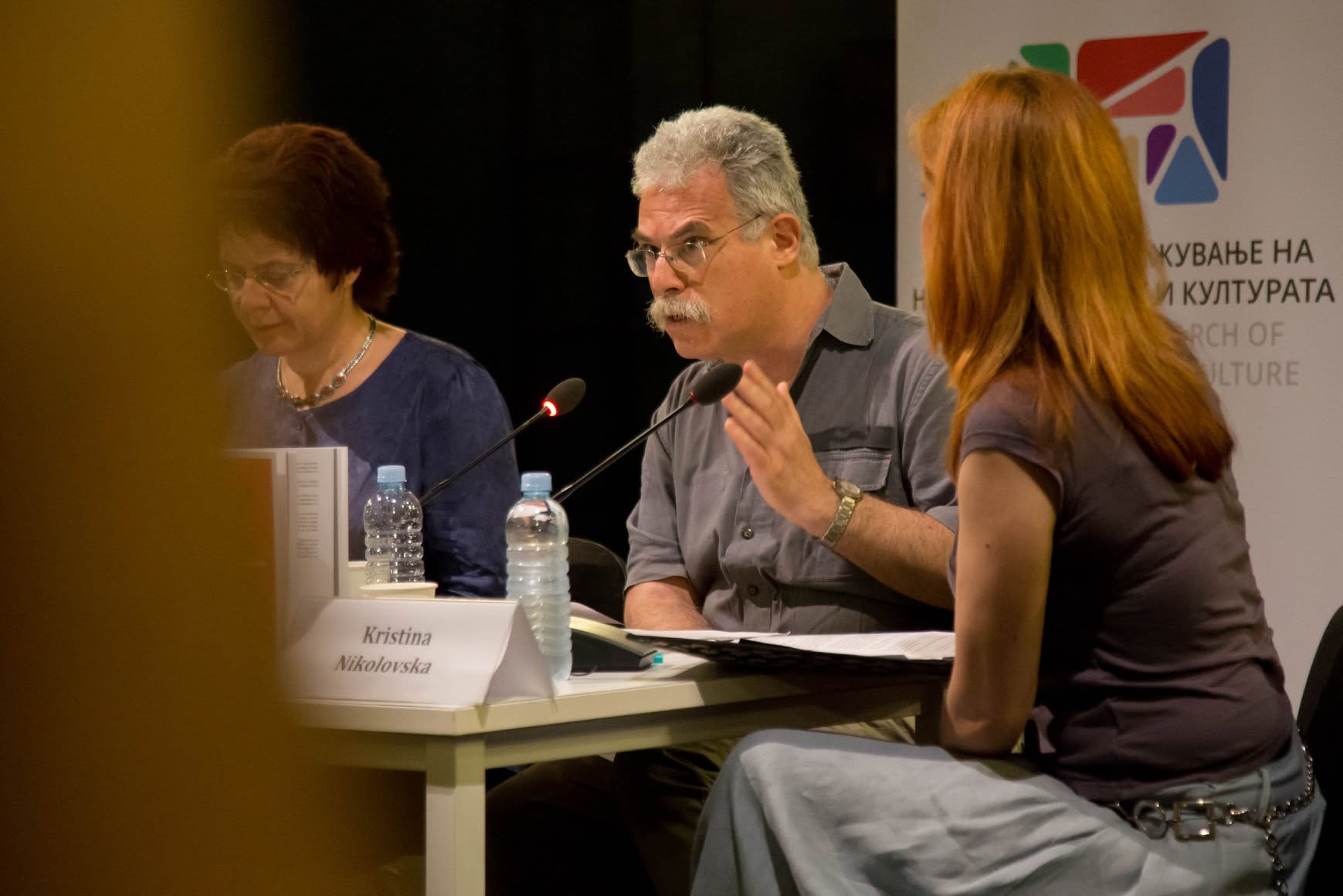
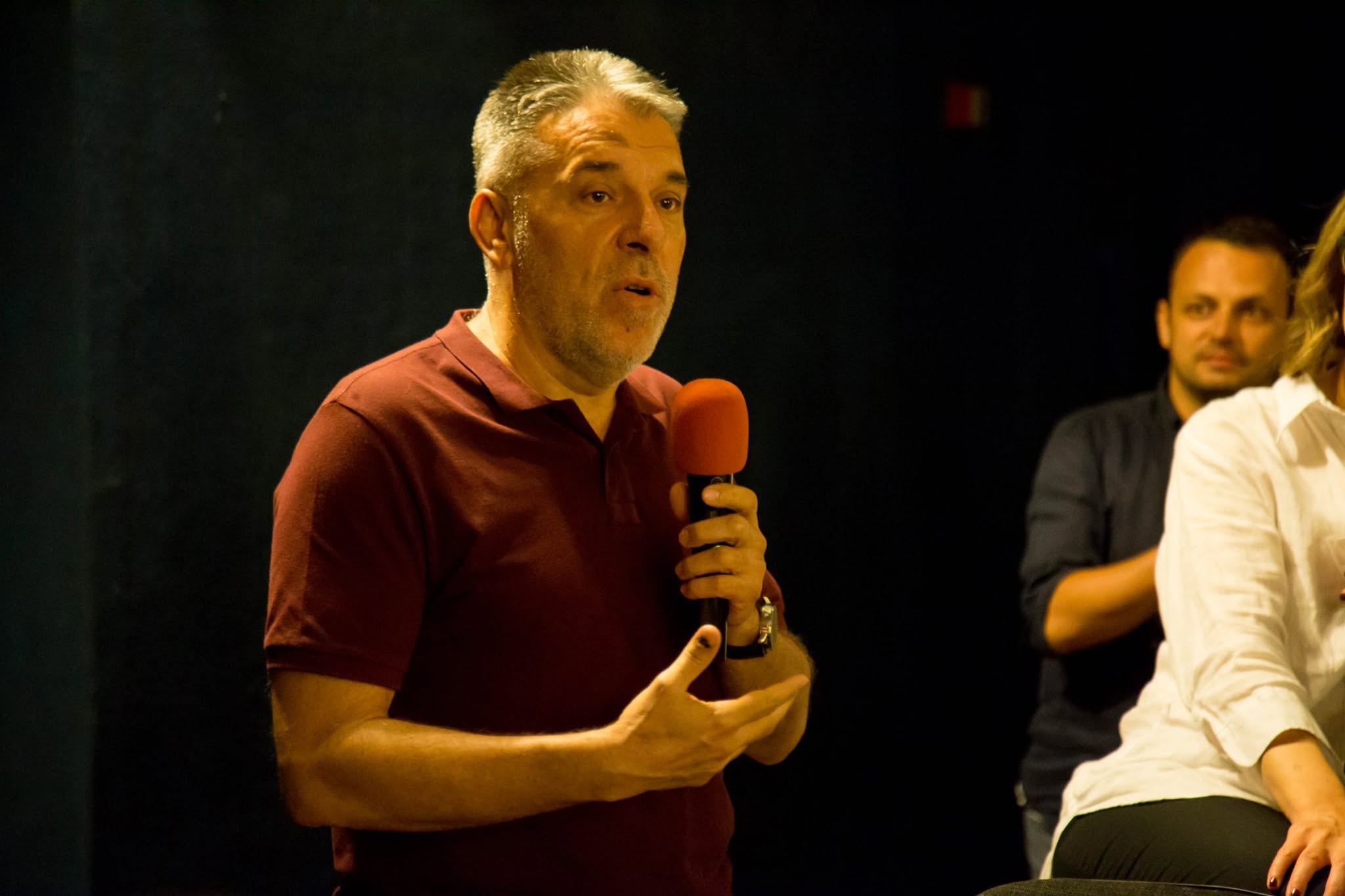
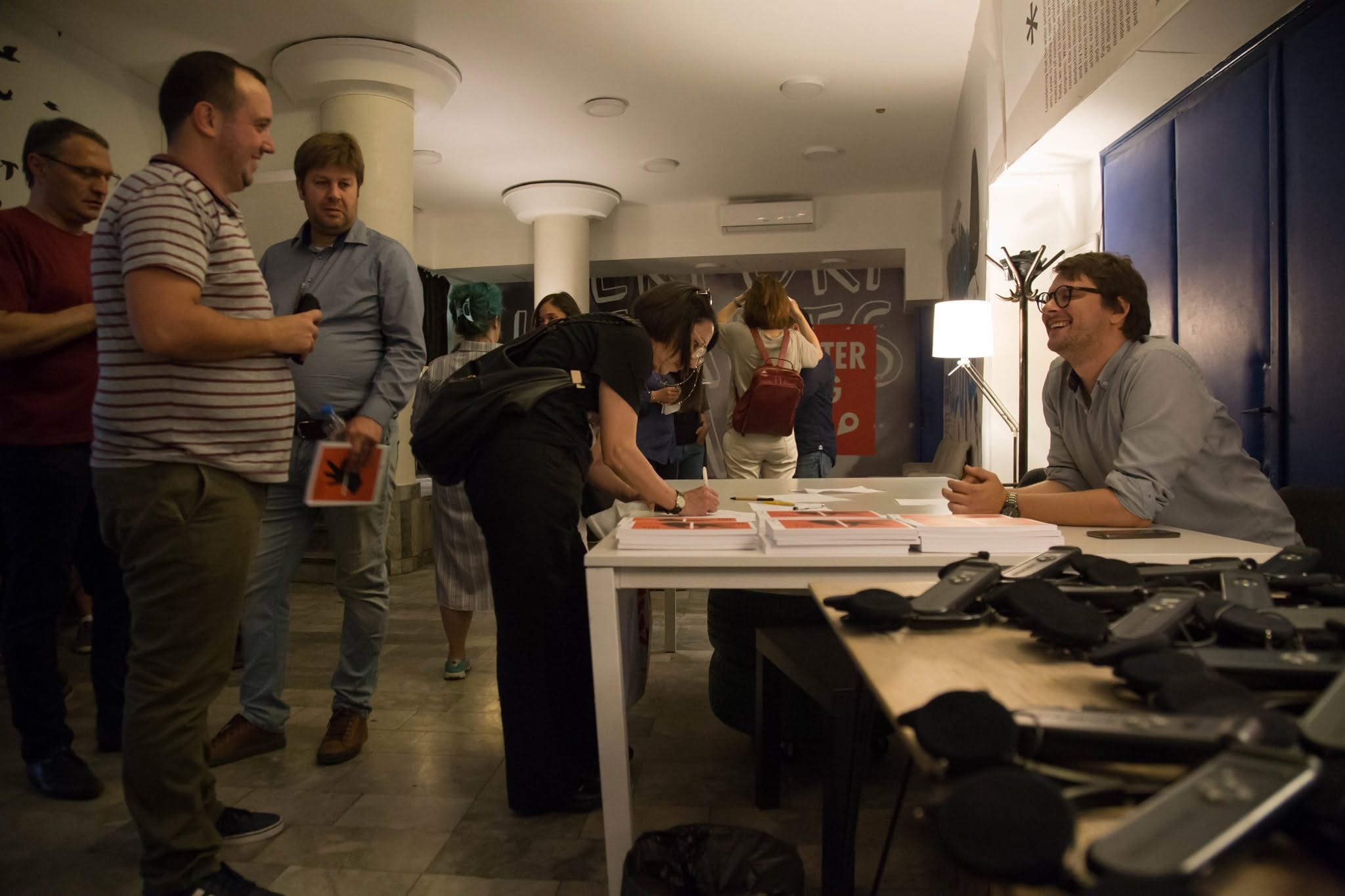
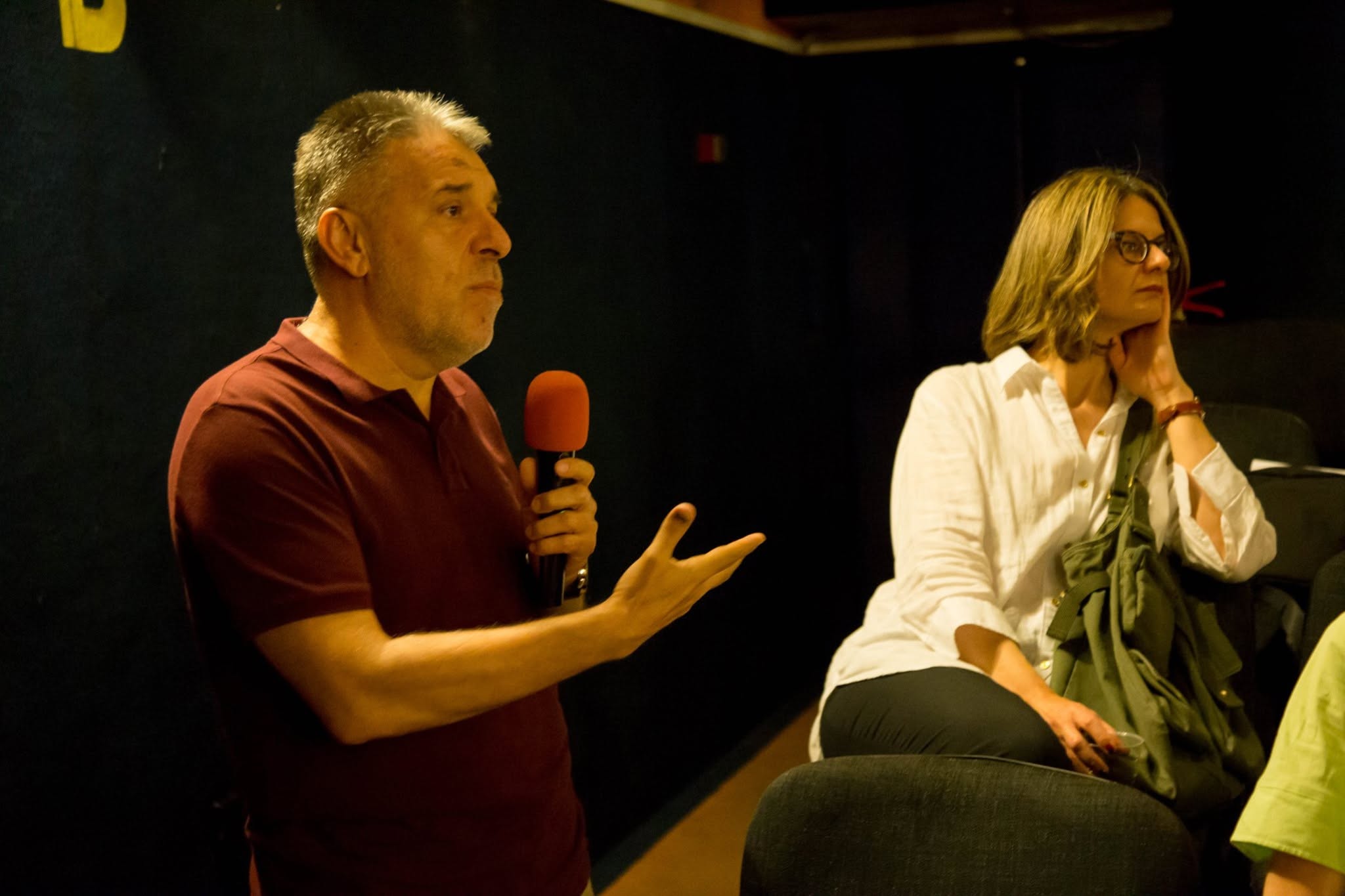
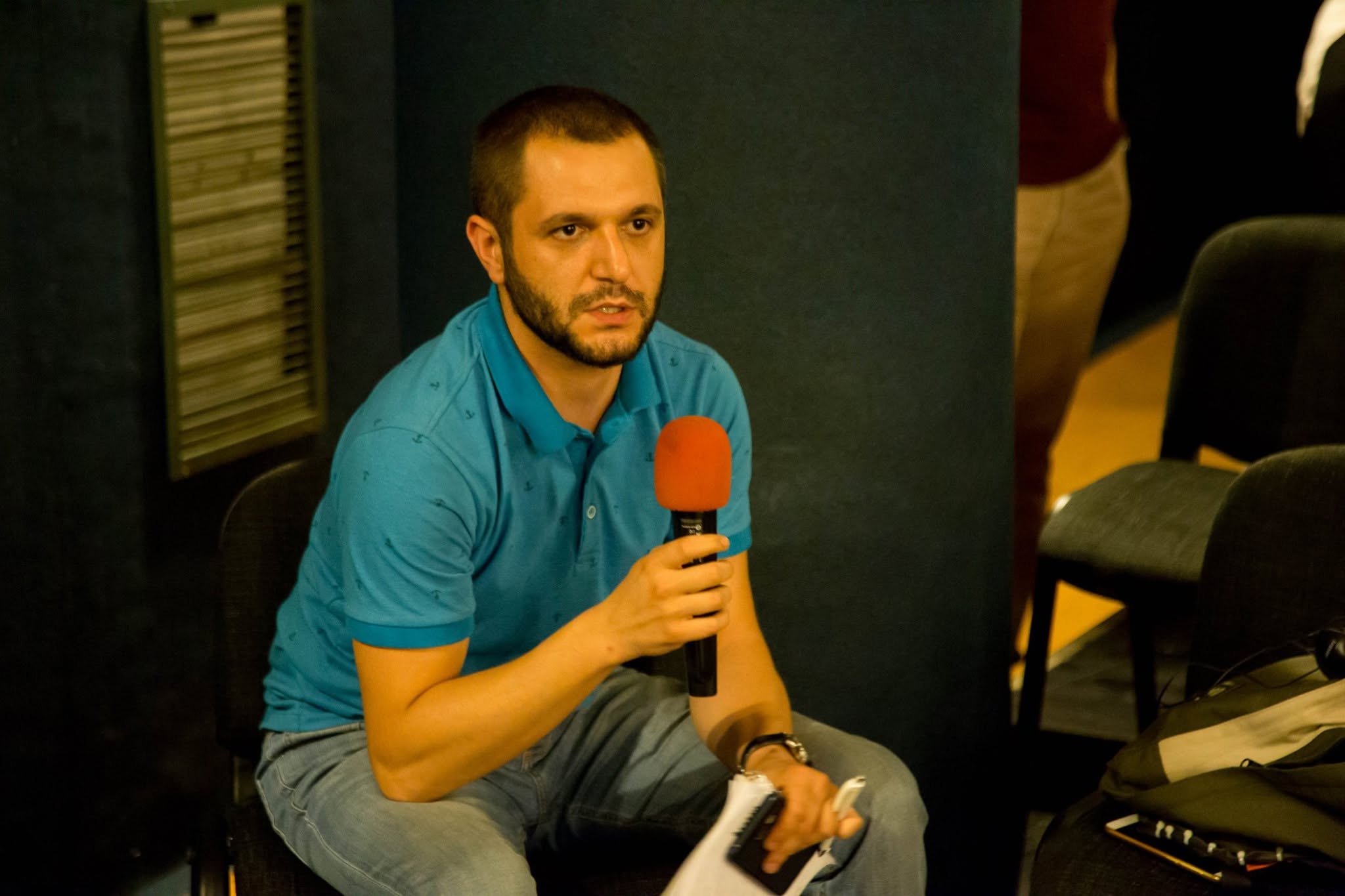
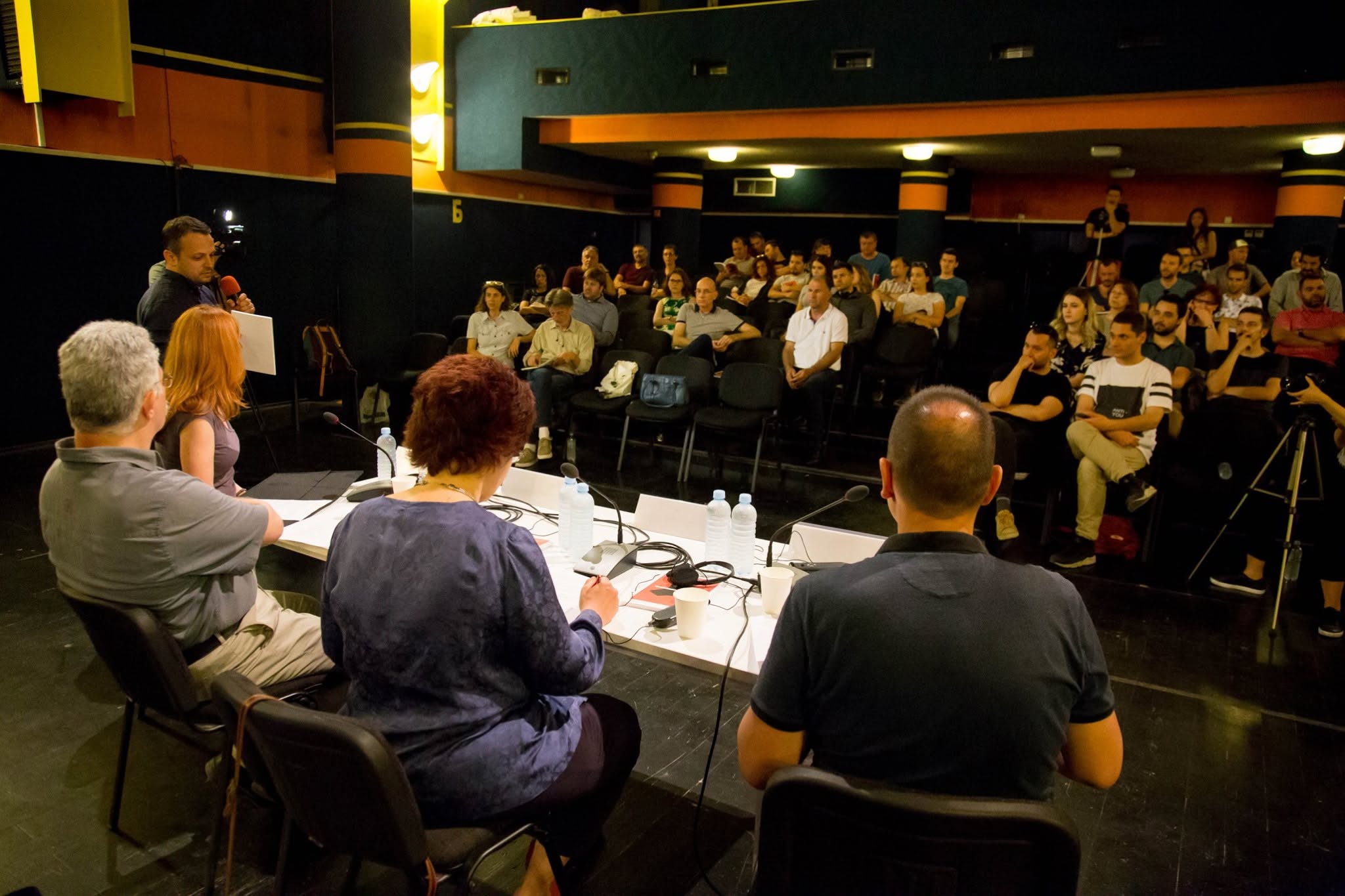
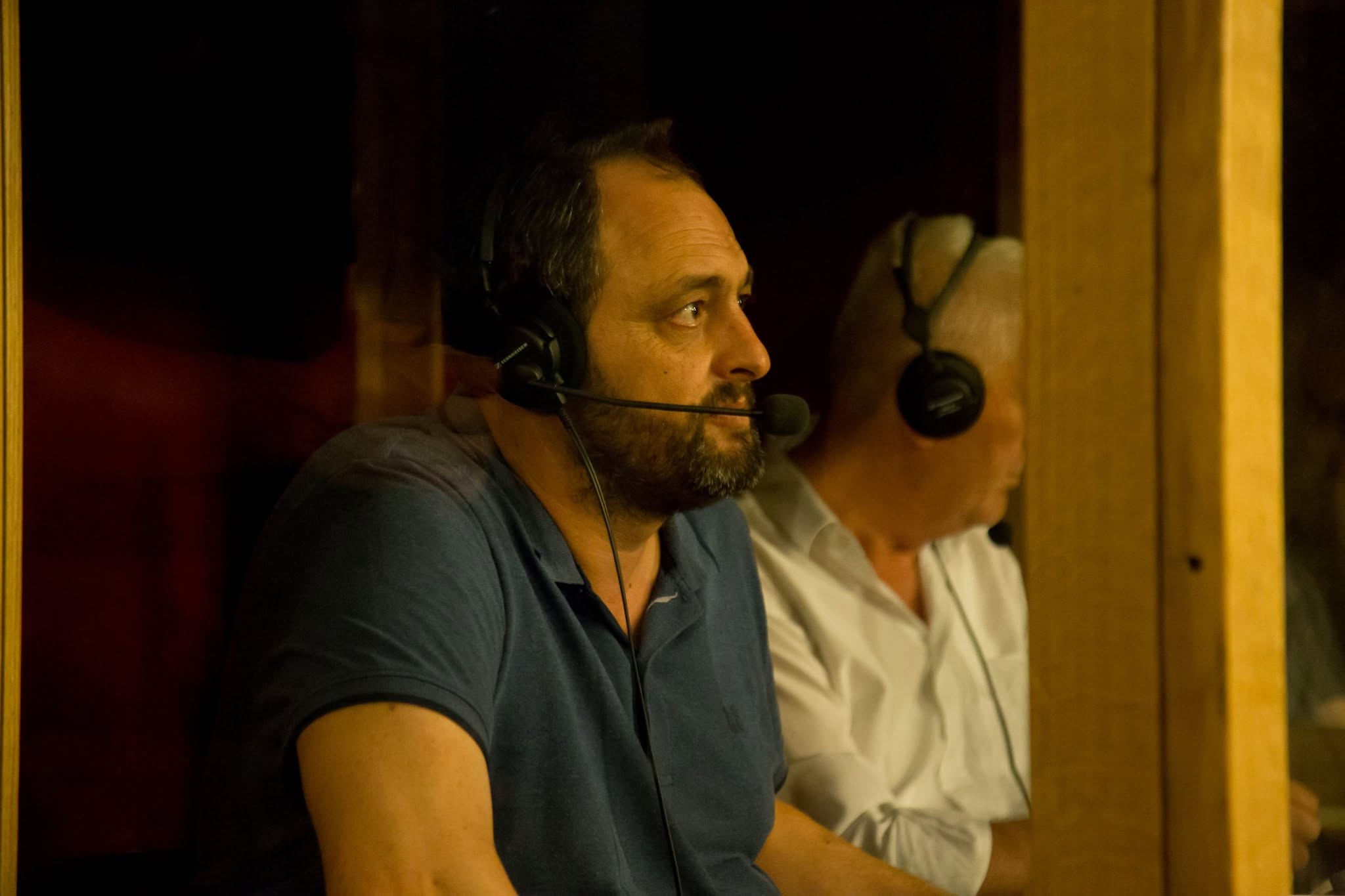
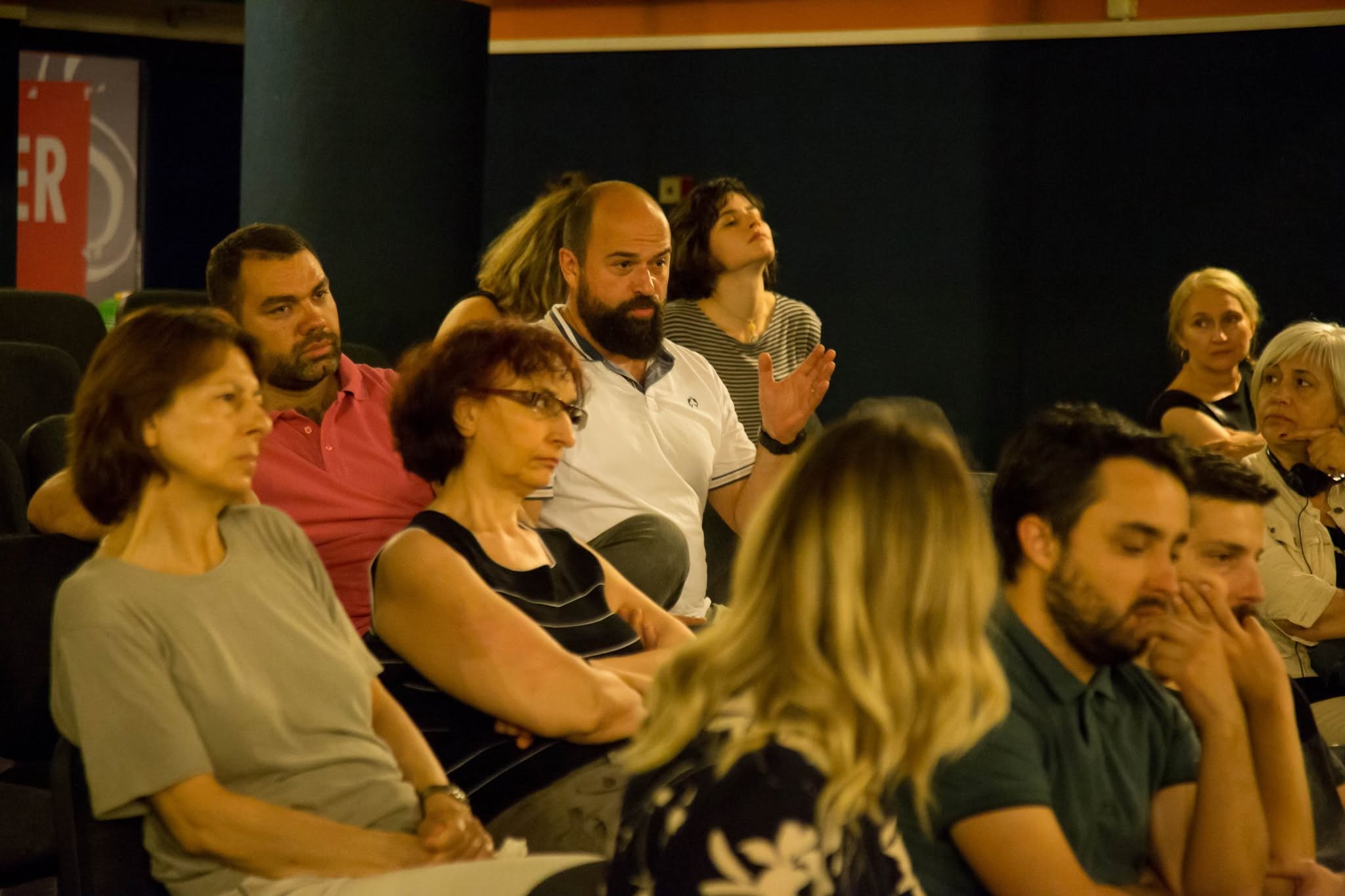
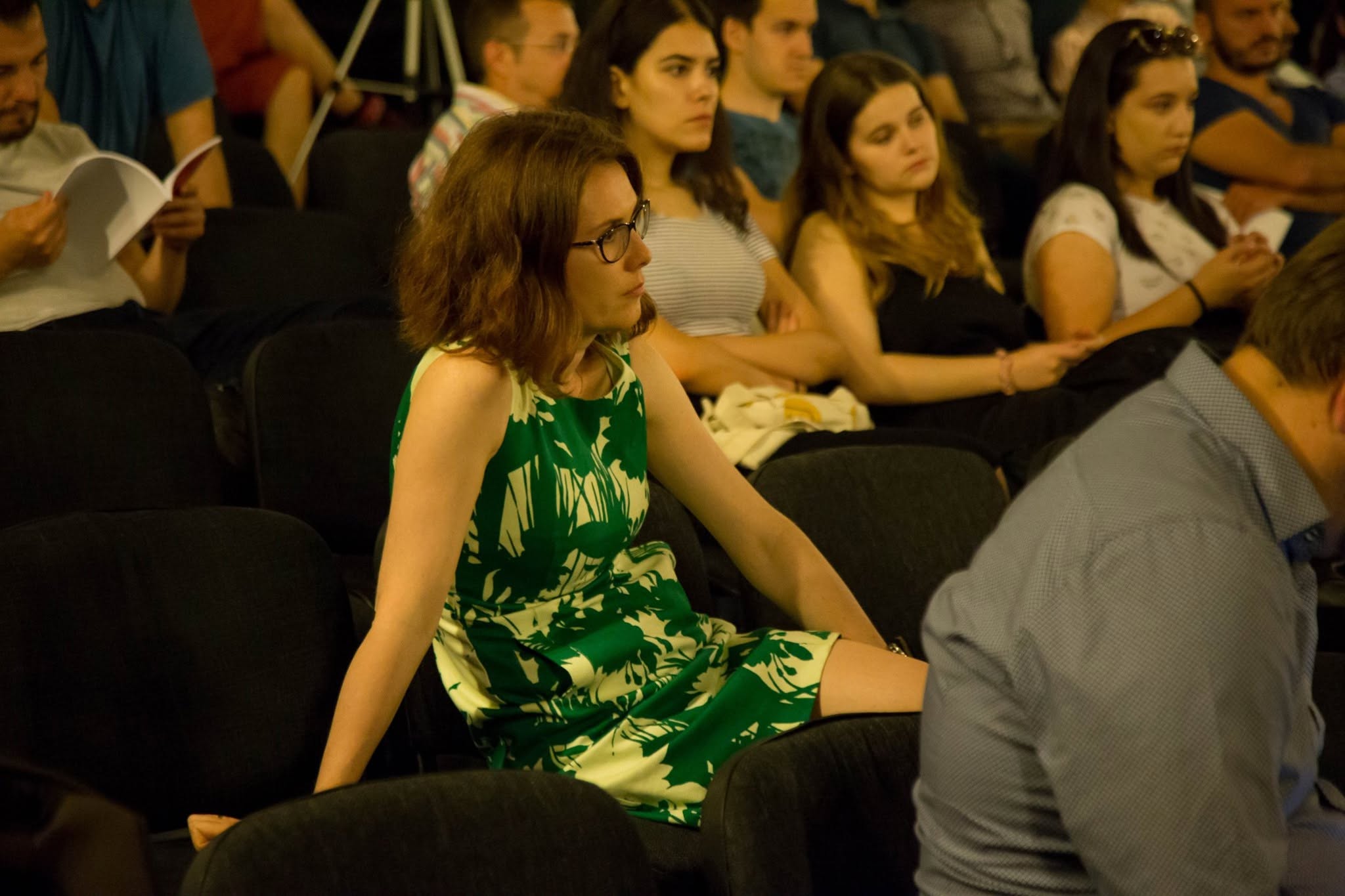
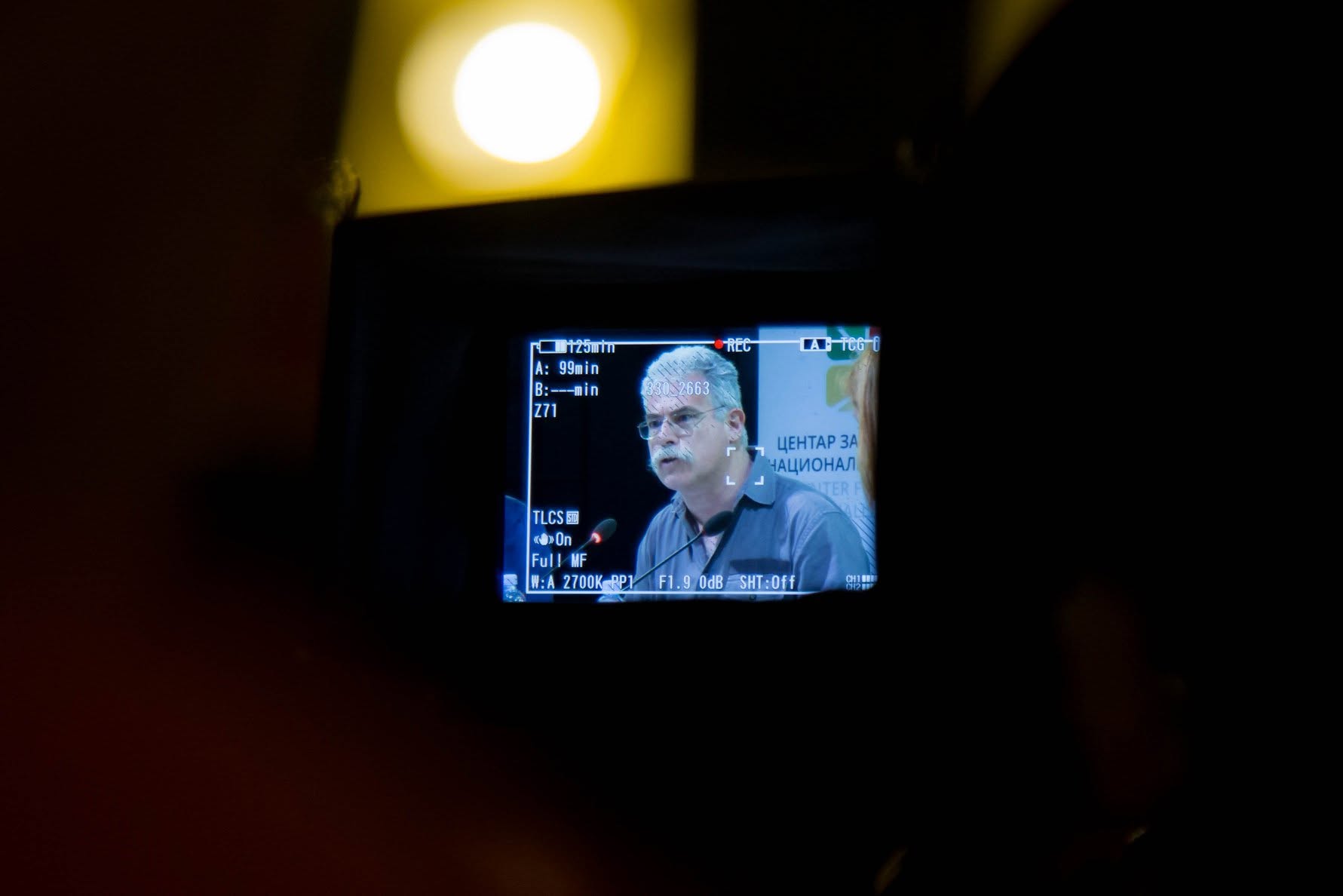
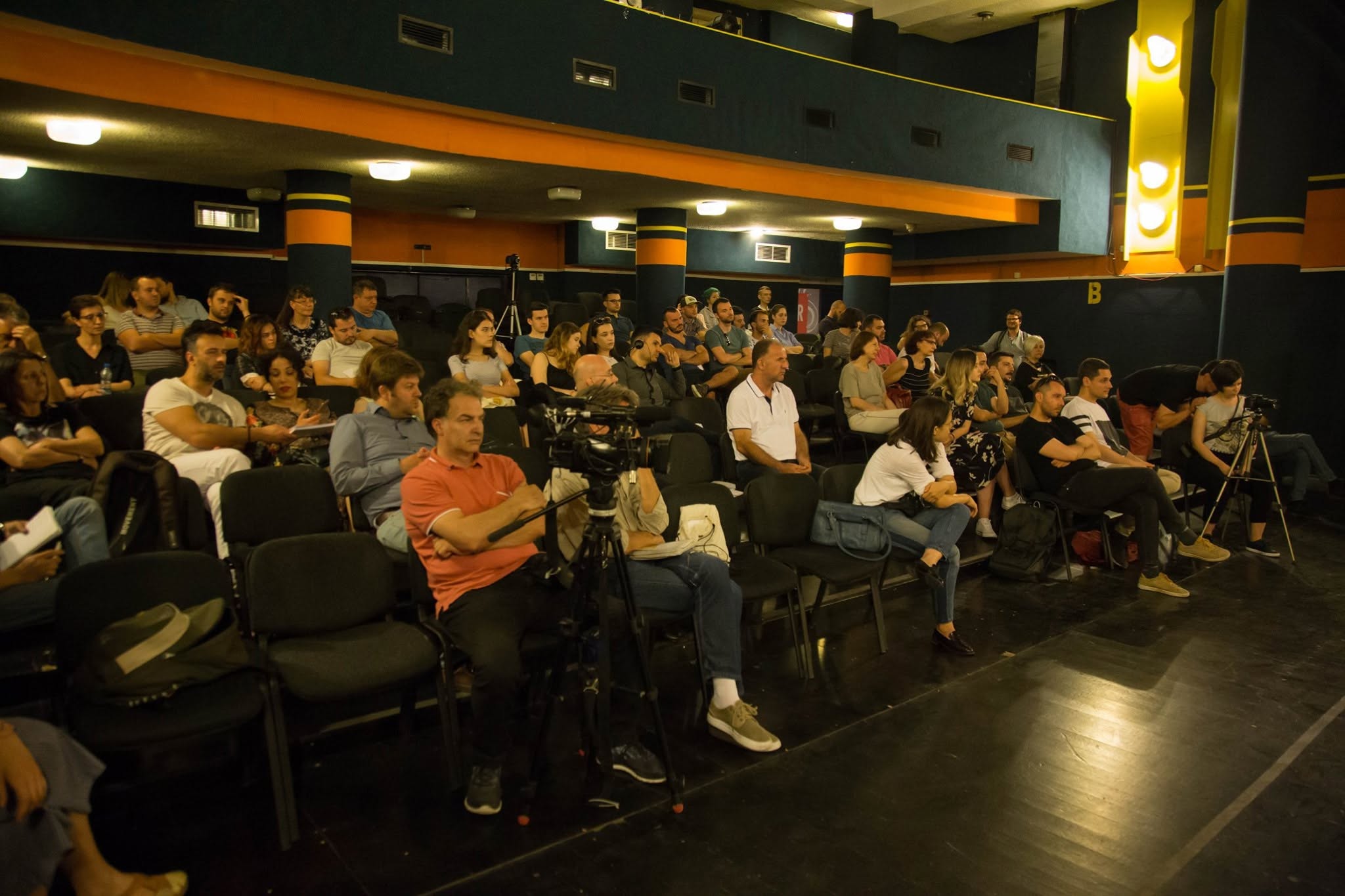
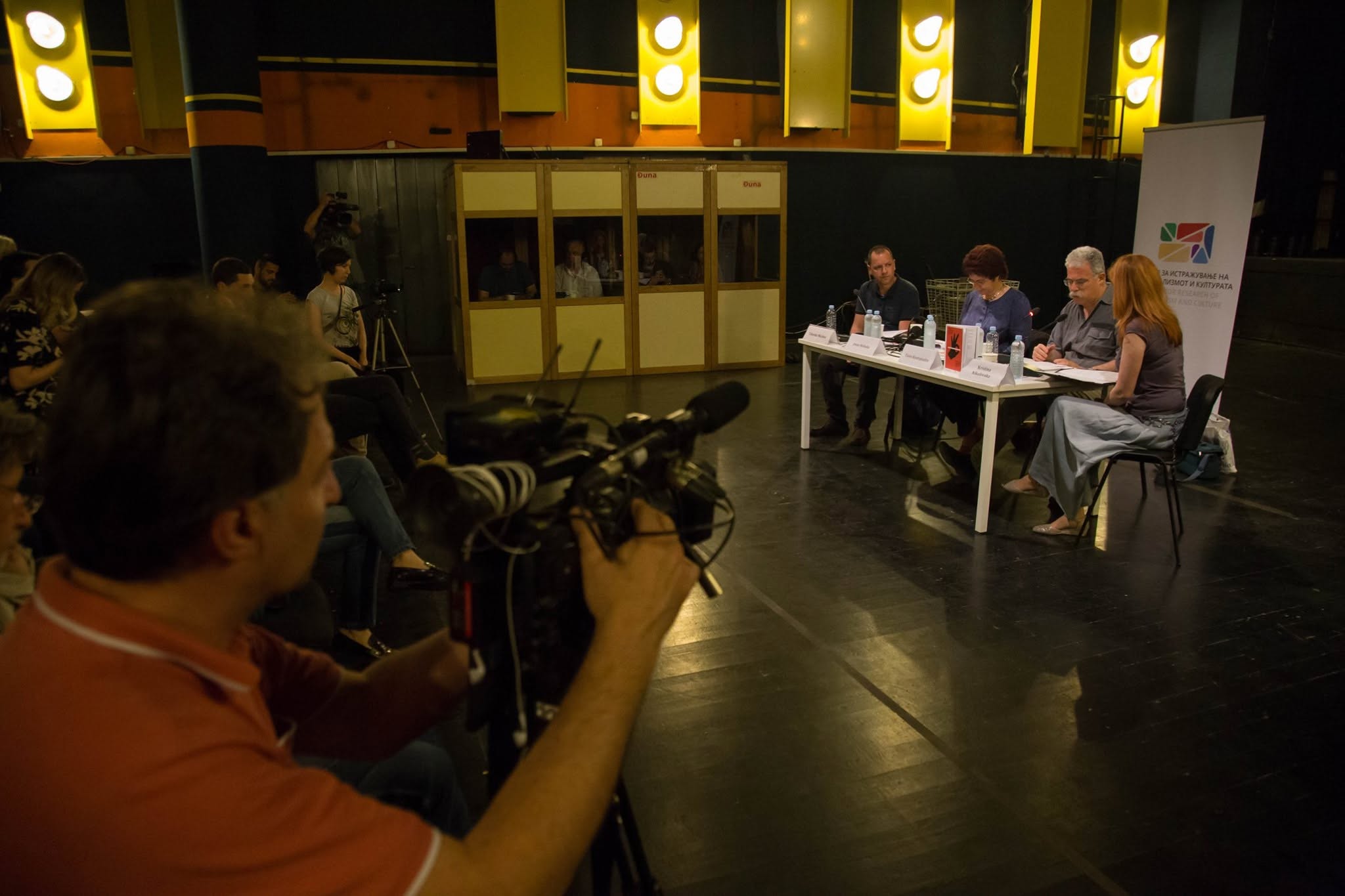
The Center for Research of Nationalism and Culture (CINIK) has the pleasure to invite you to the debate “Narratives, Past and Future: Nationalized Historiographies in the Context of Regional Cooperation between North Macedonia, Bulgaria and Greece.” The event will take place at “Kino Kultura,“ Skopje, on 13 June 2019, 19.00.
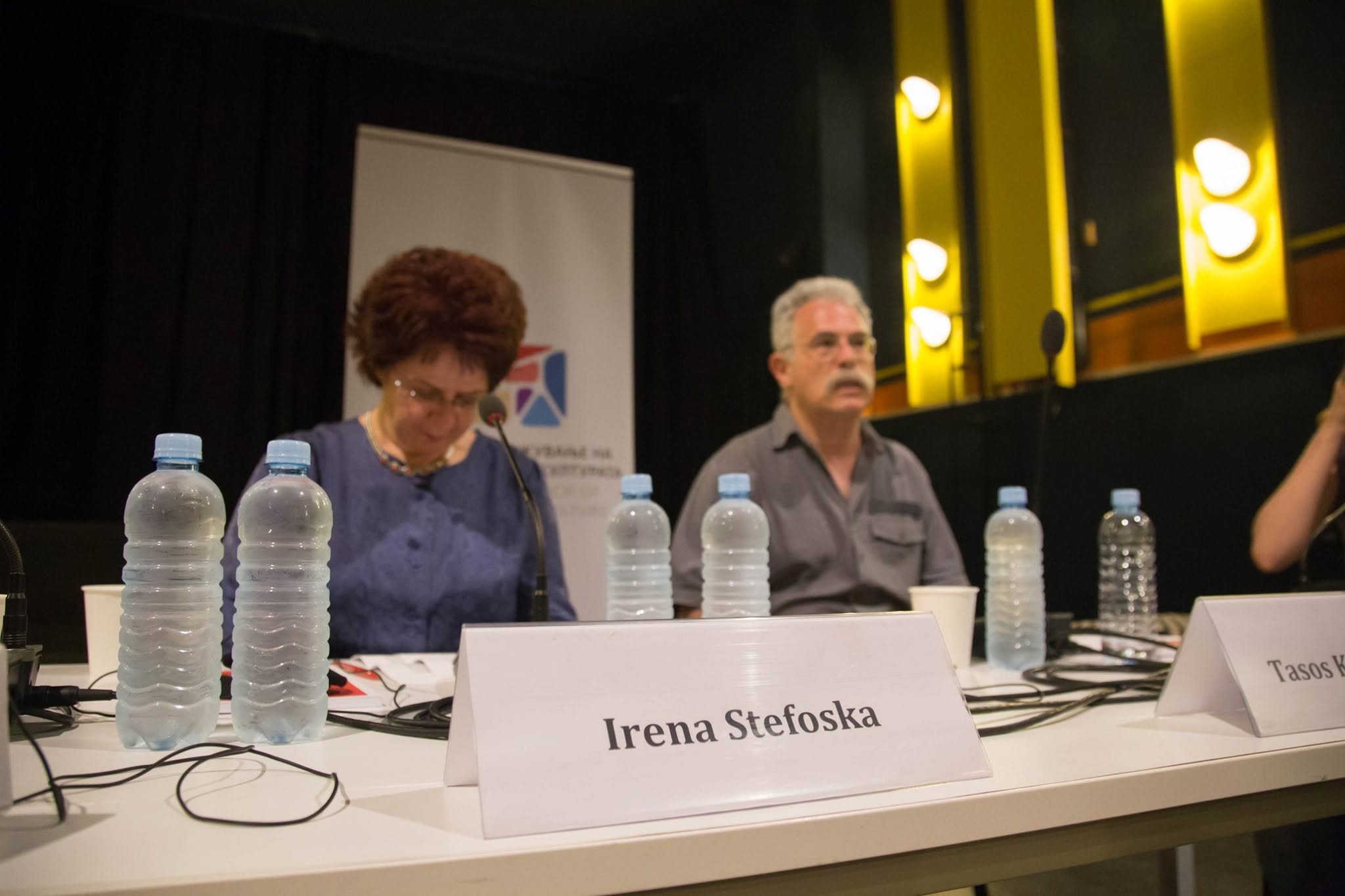
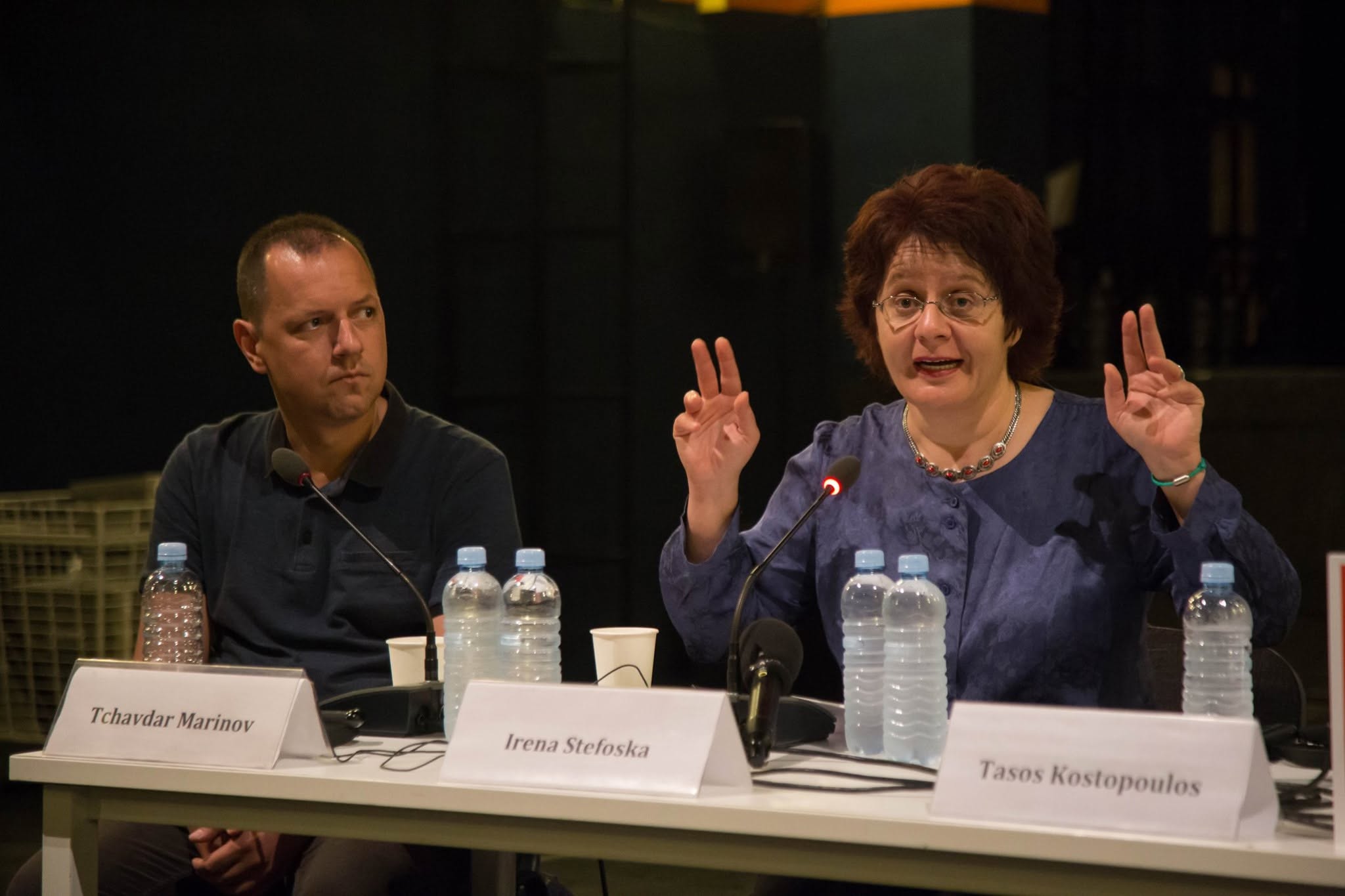
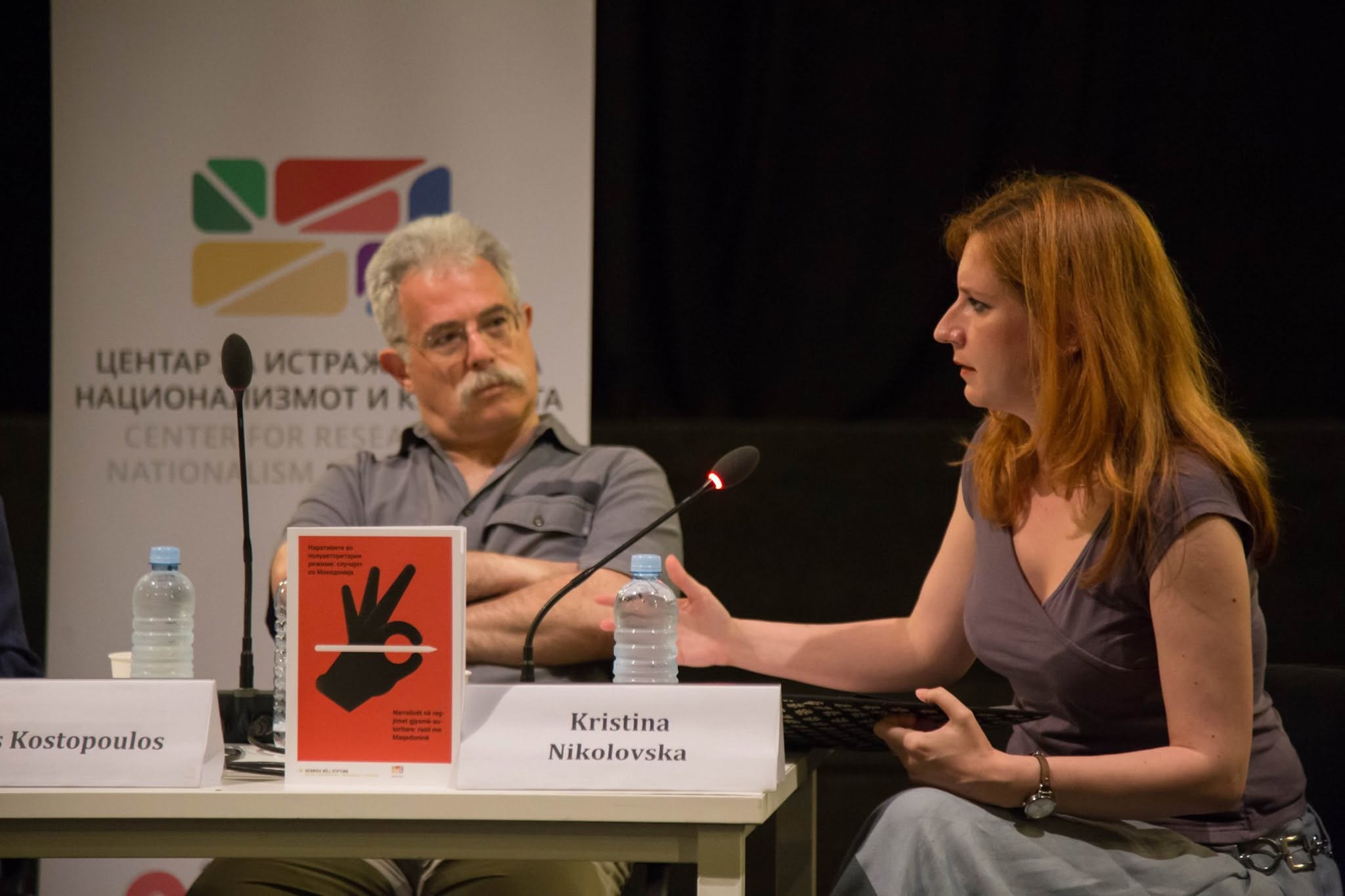
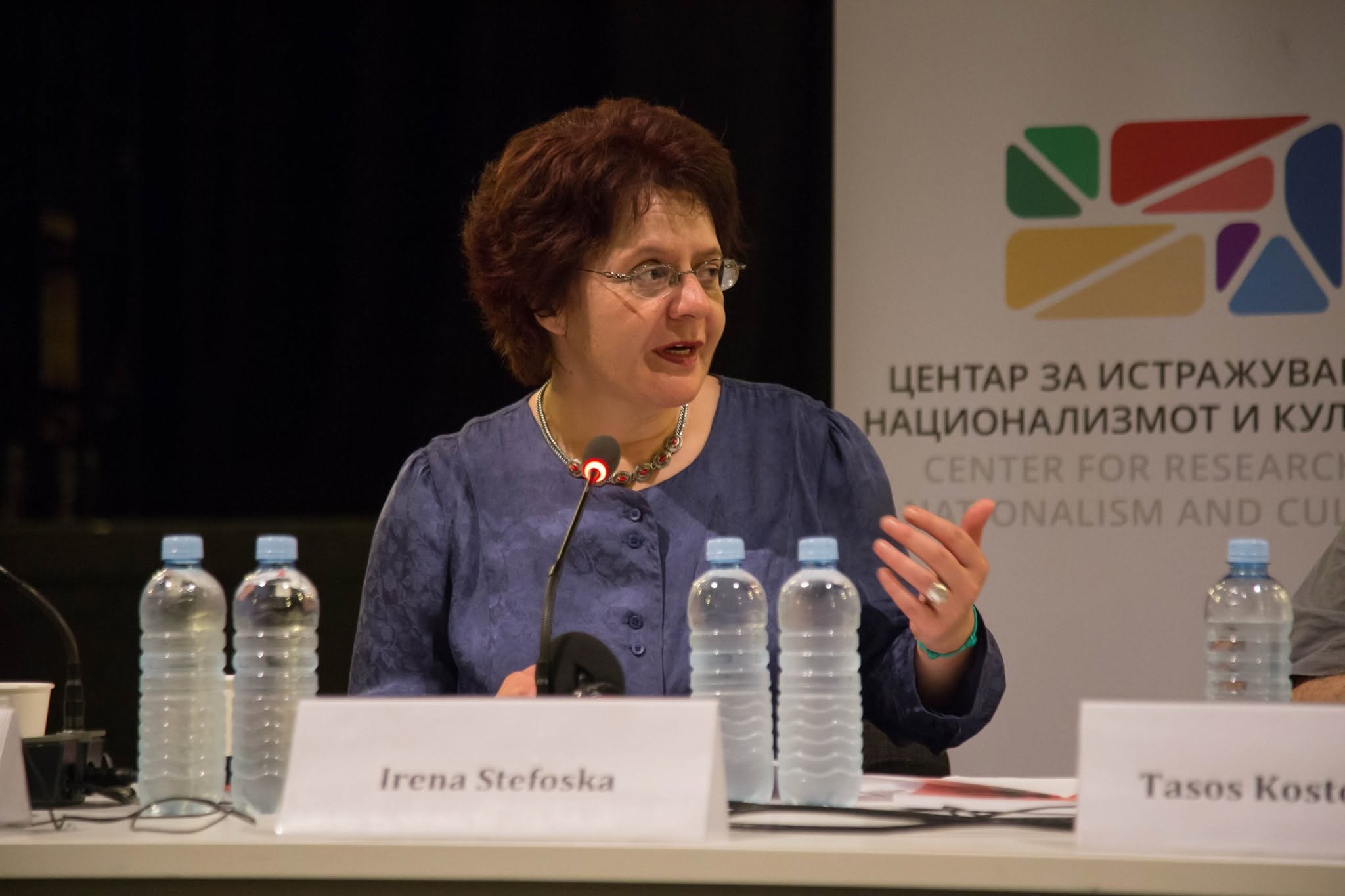
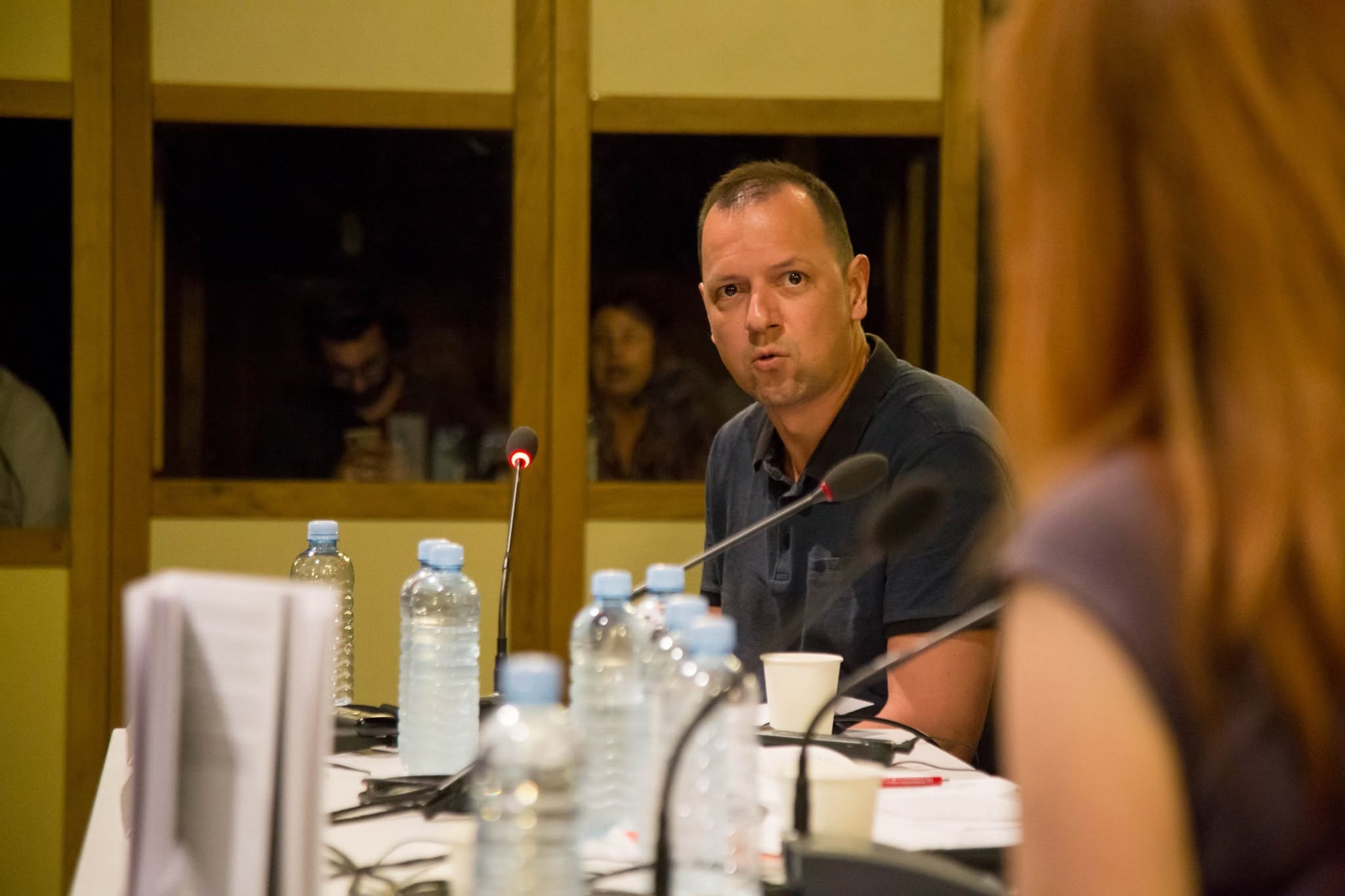
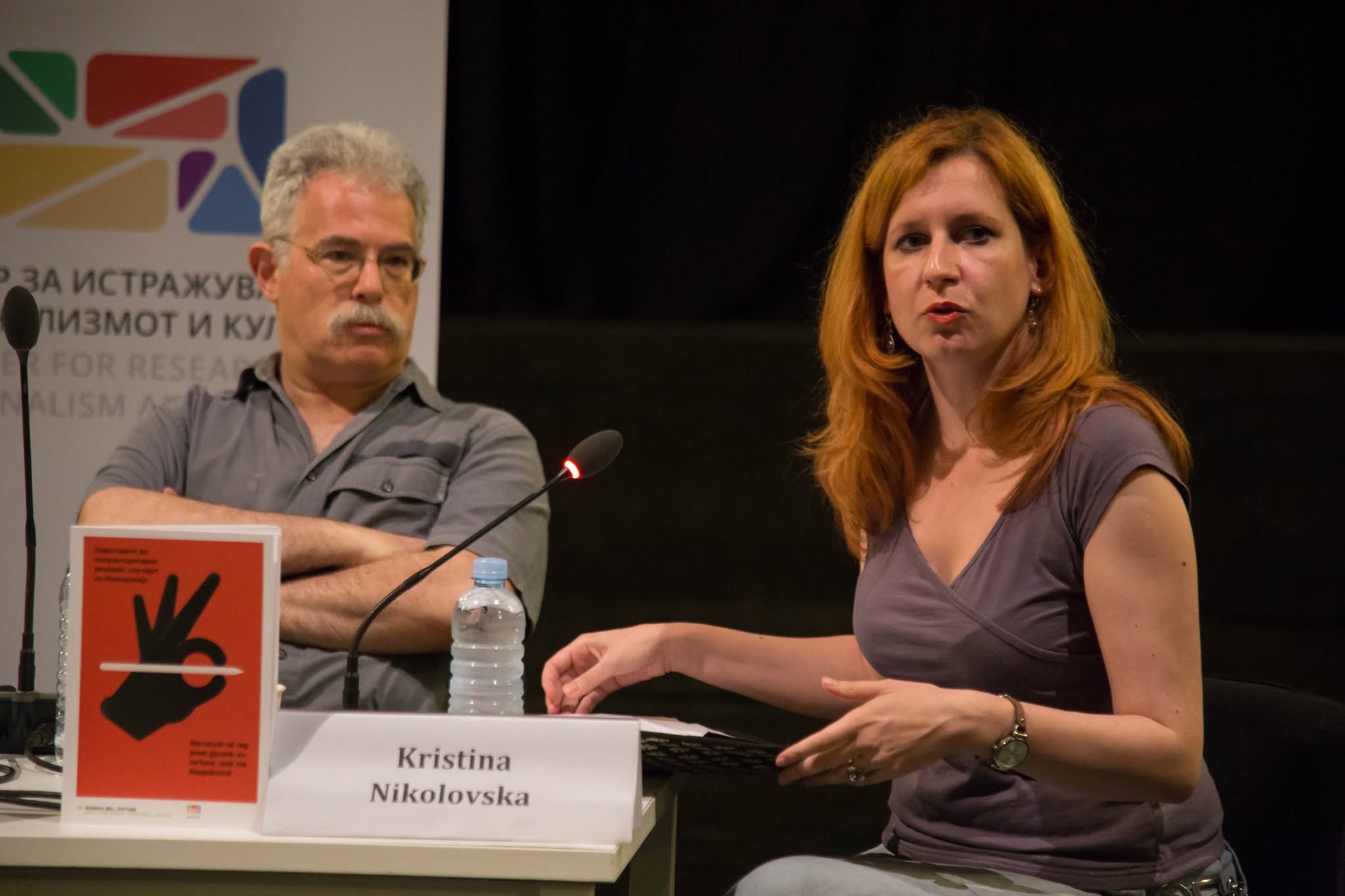
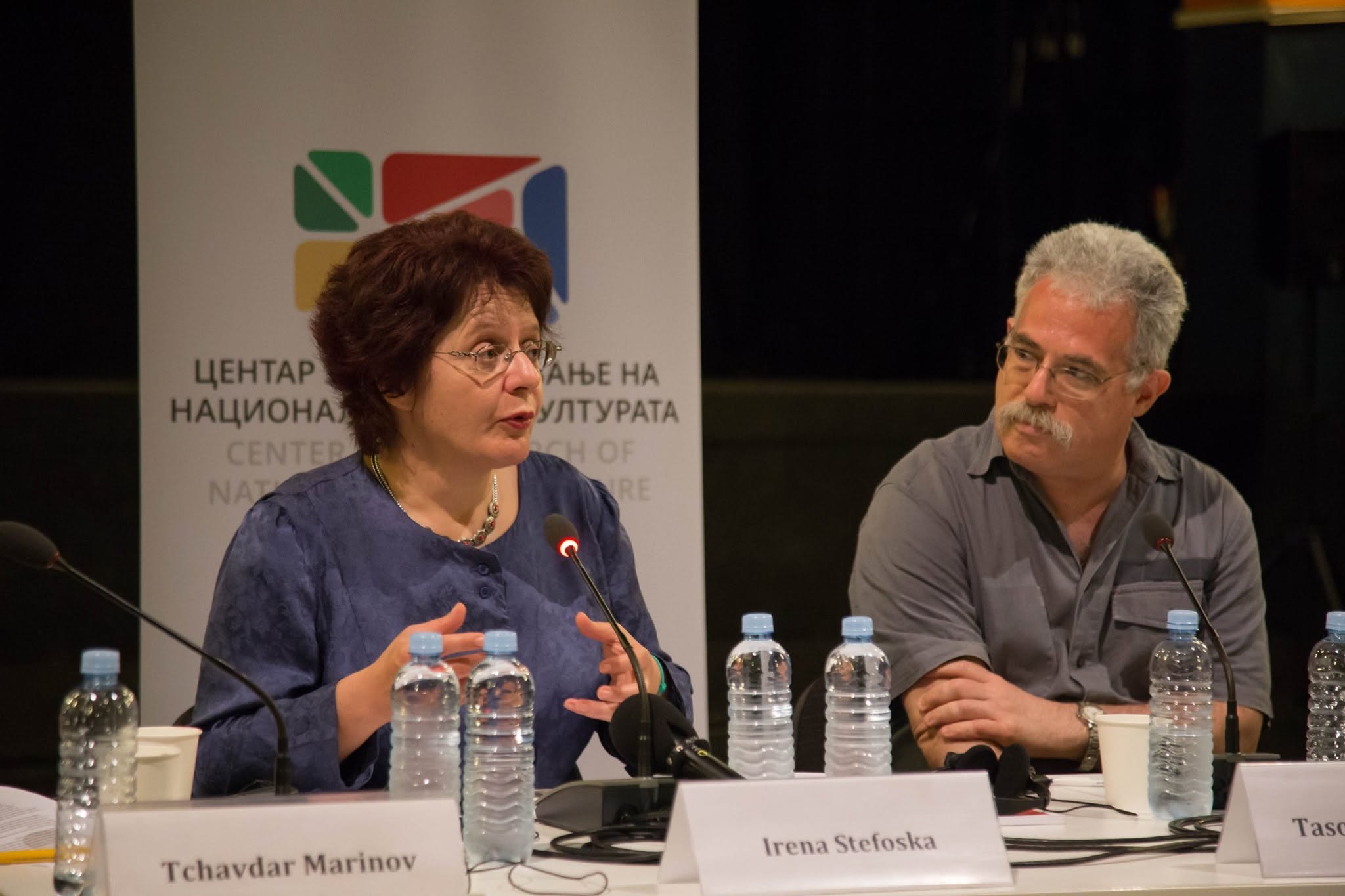
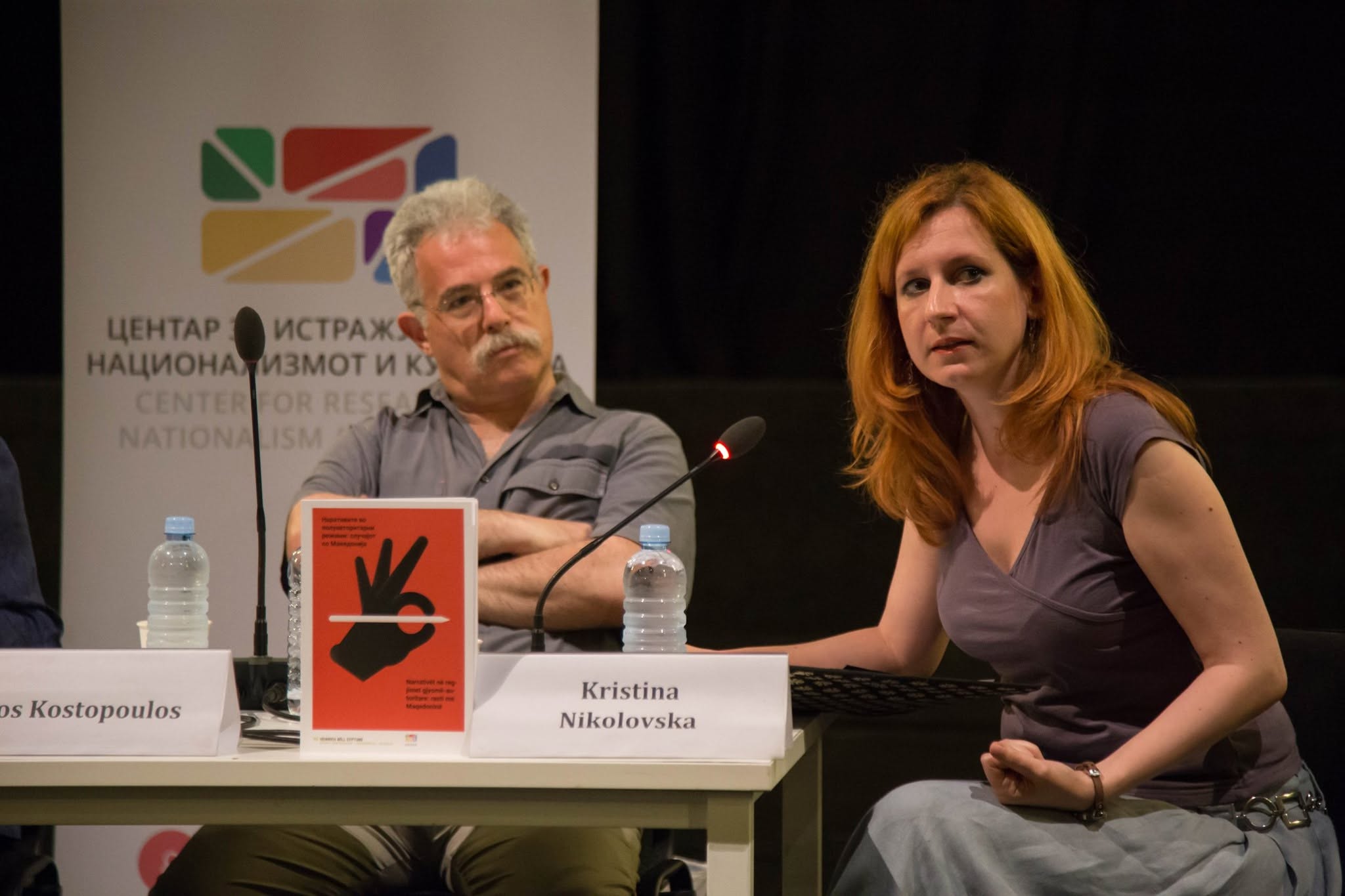
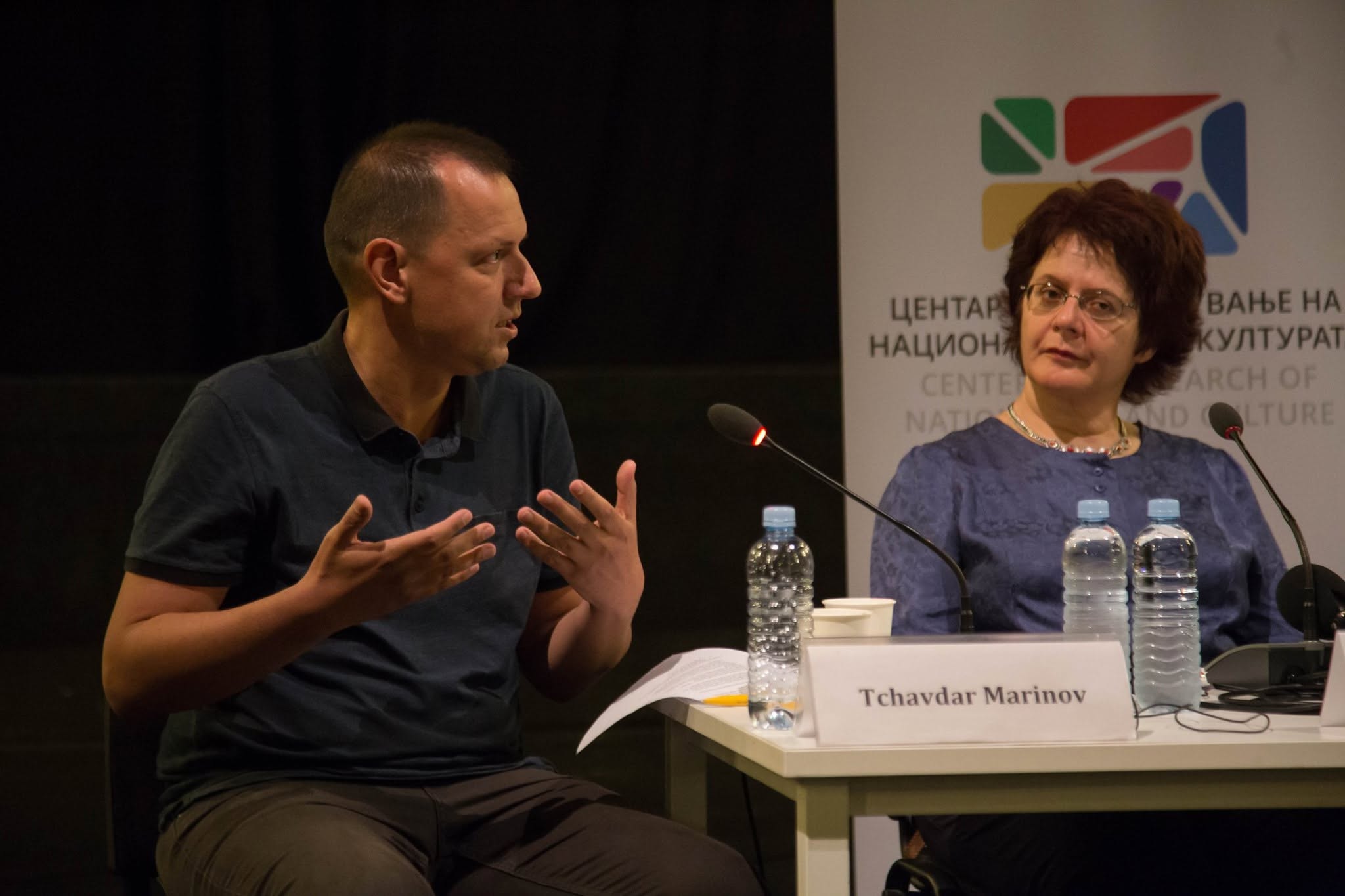
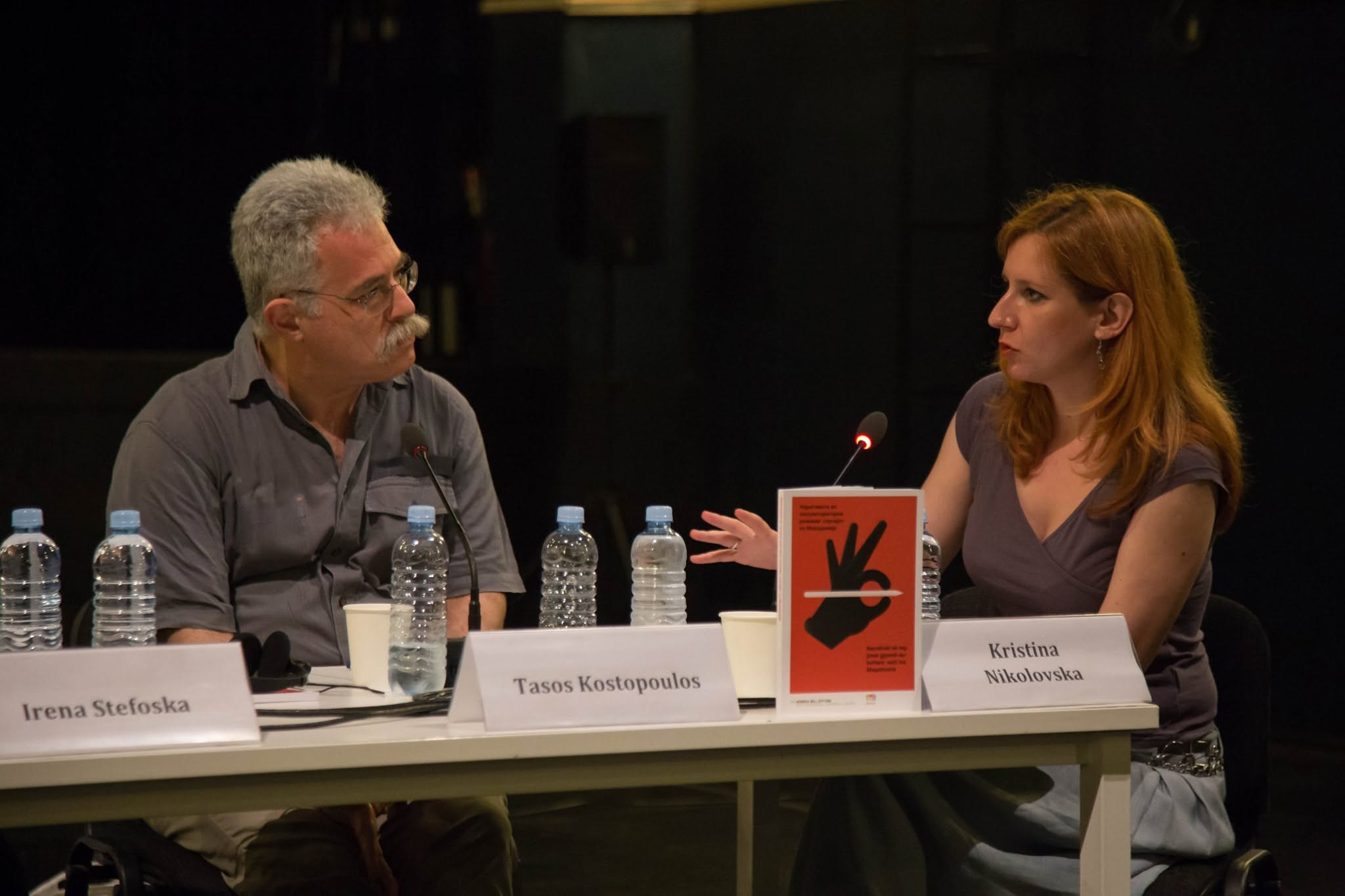
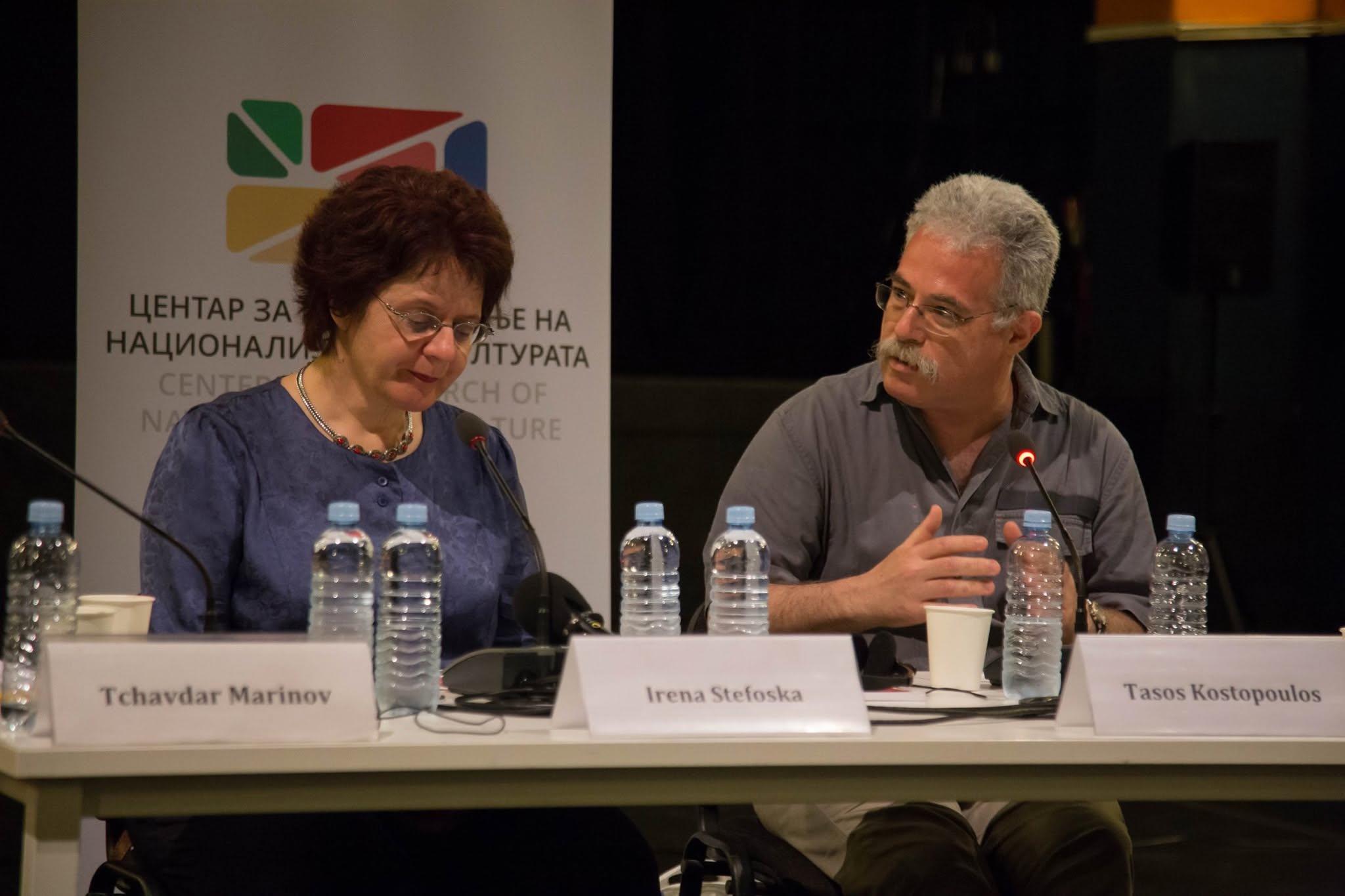
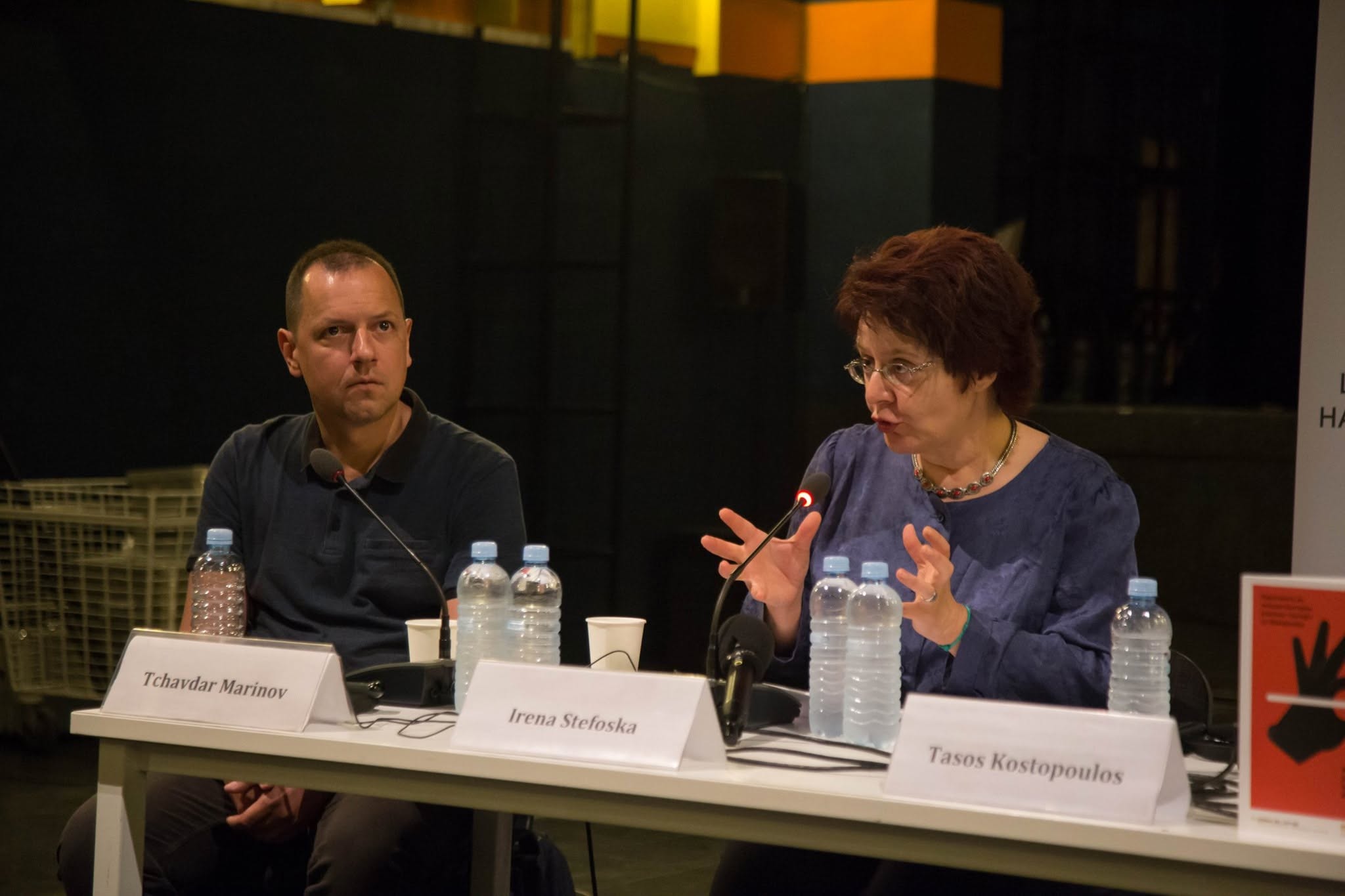
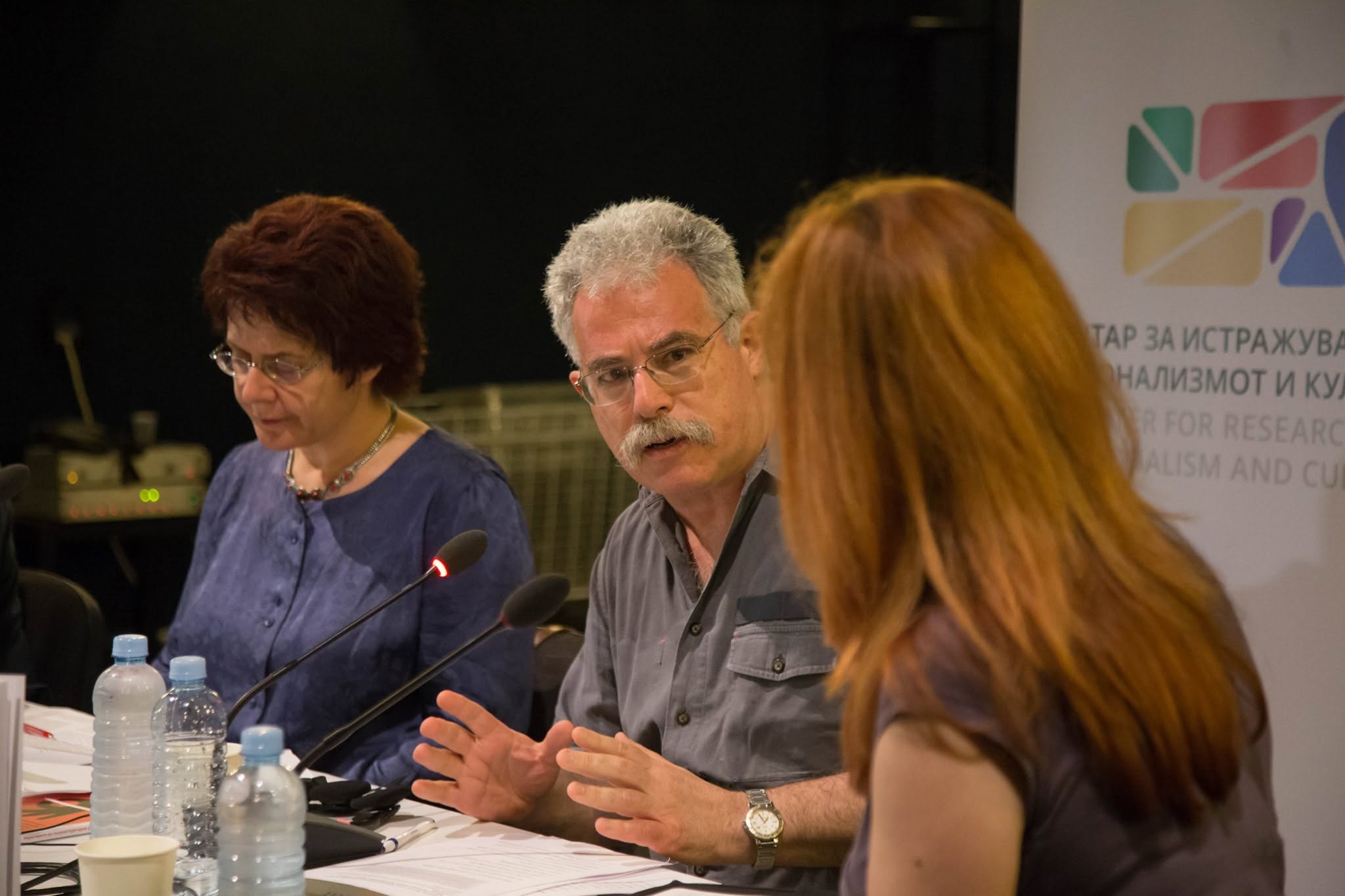
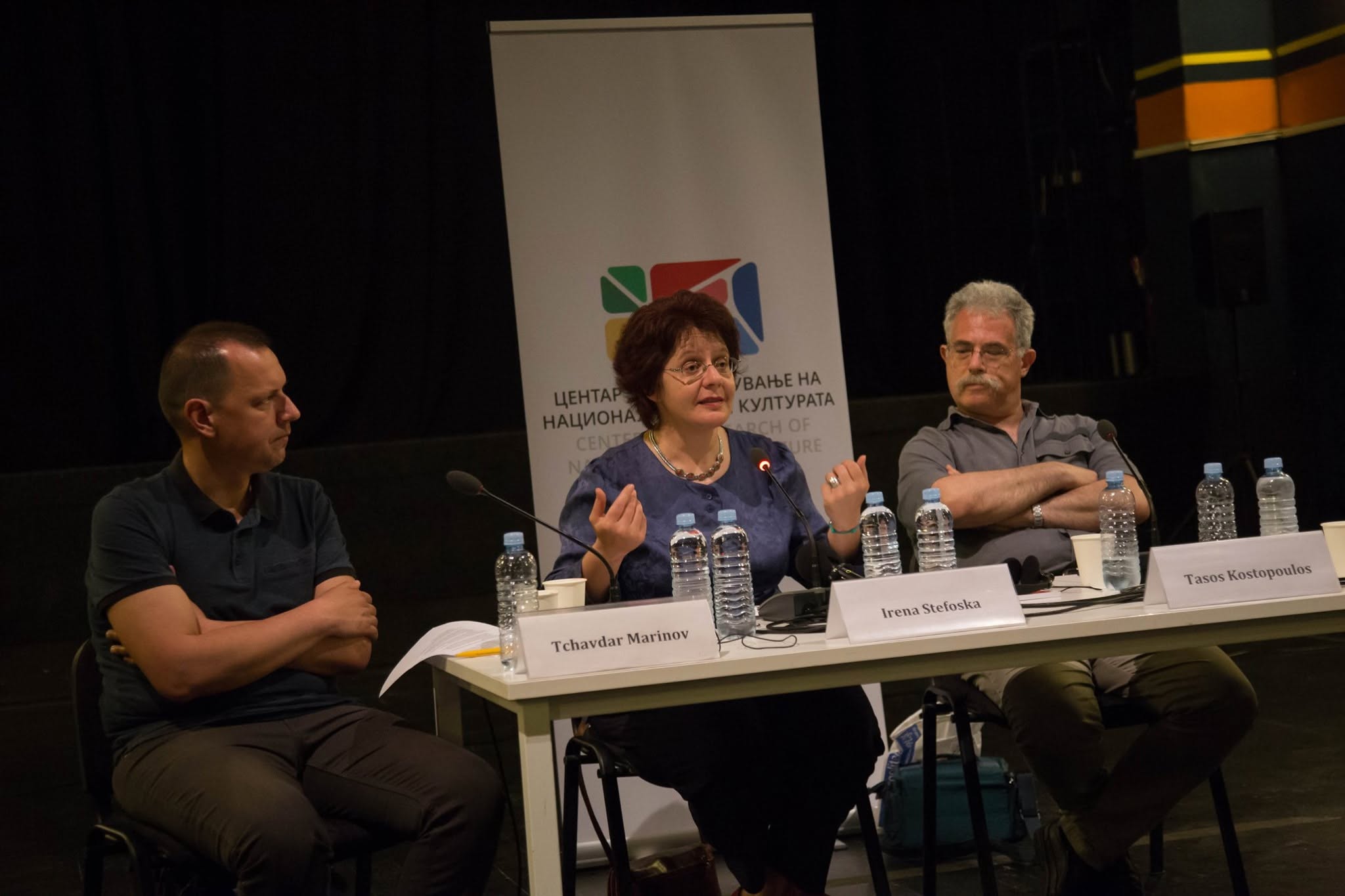
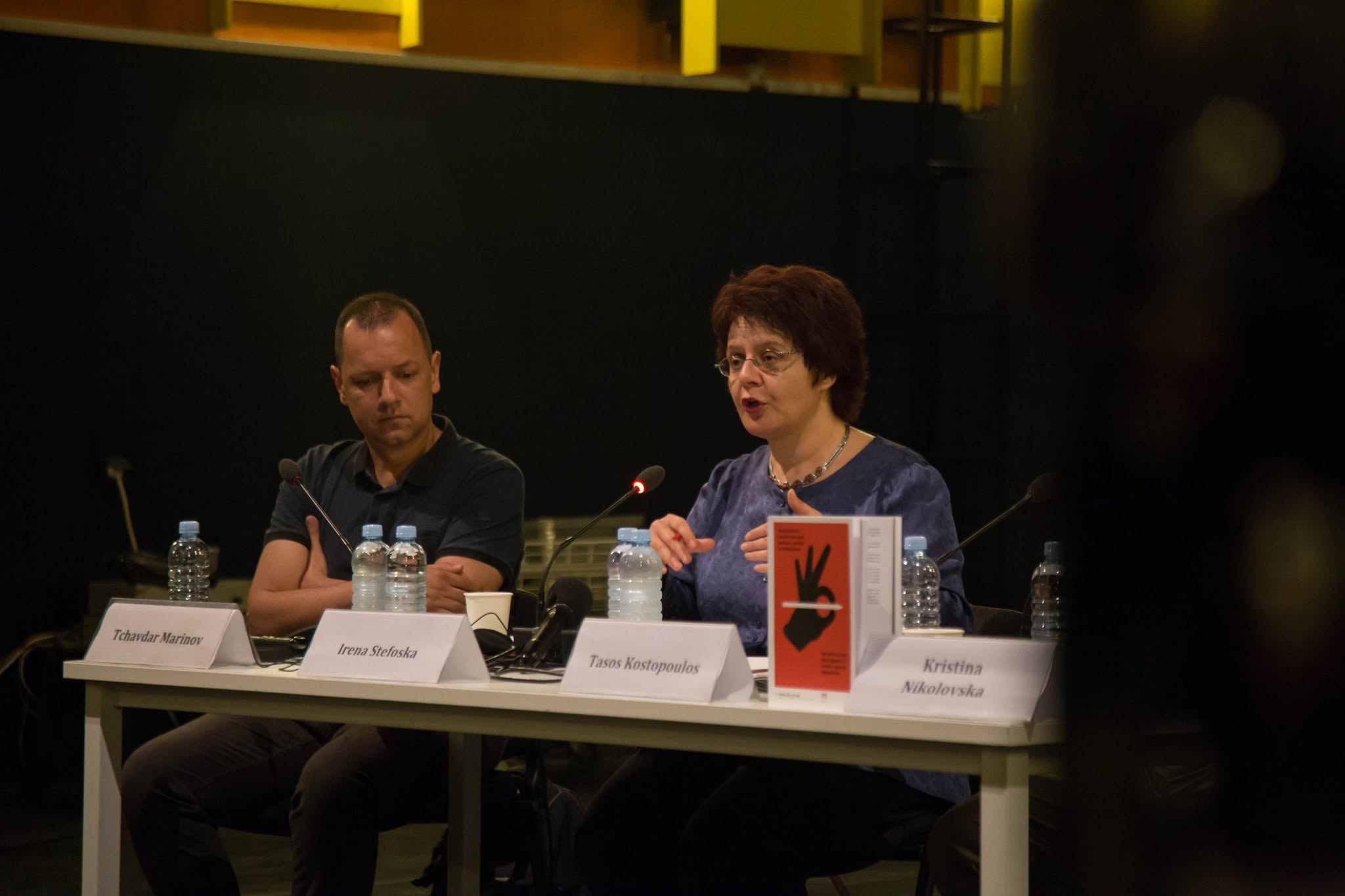
Participants: Tchavdar Marinov (Sofia), Tasos Kostopoulos (Athens), and Irena Stefoska (Skopje). Moderator: Kristina Nikolovska (Skopje).
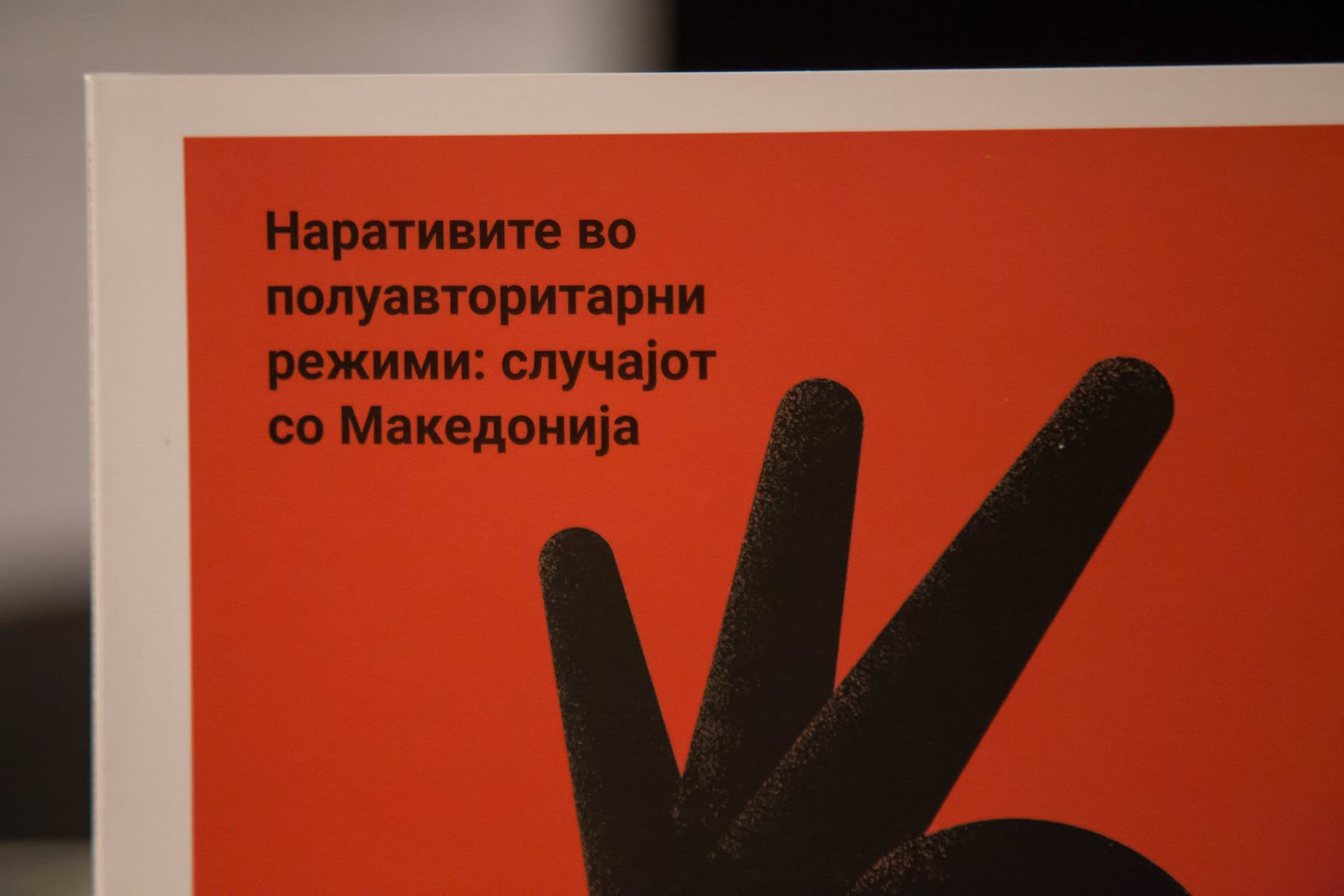
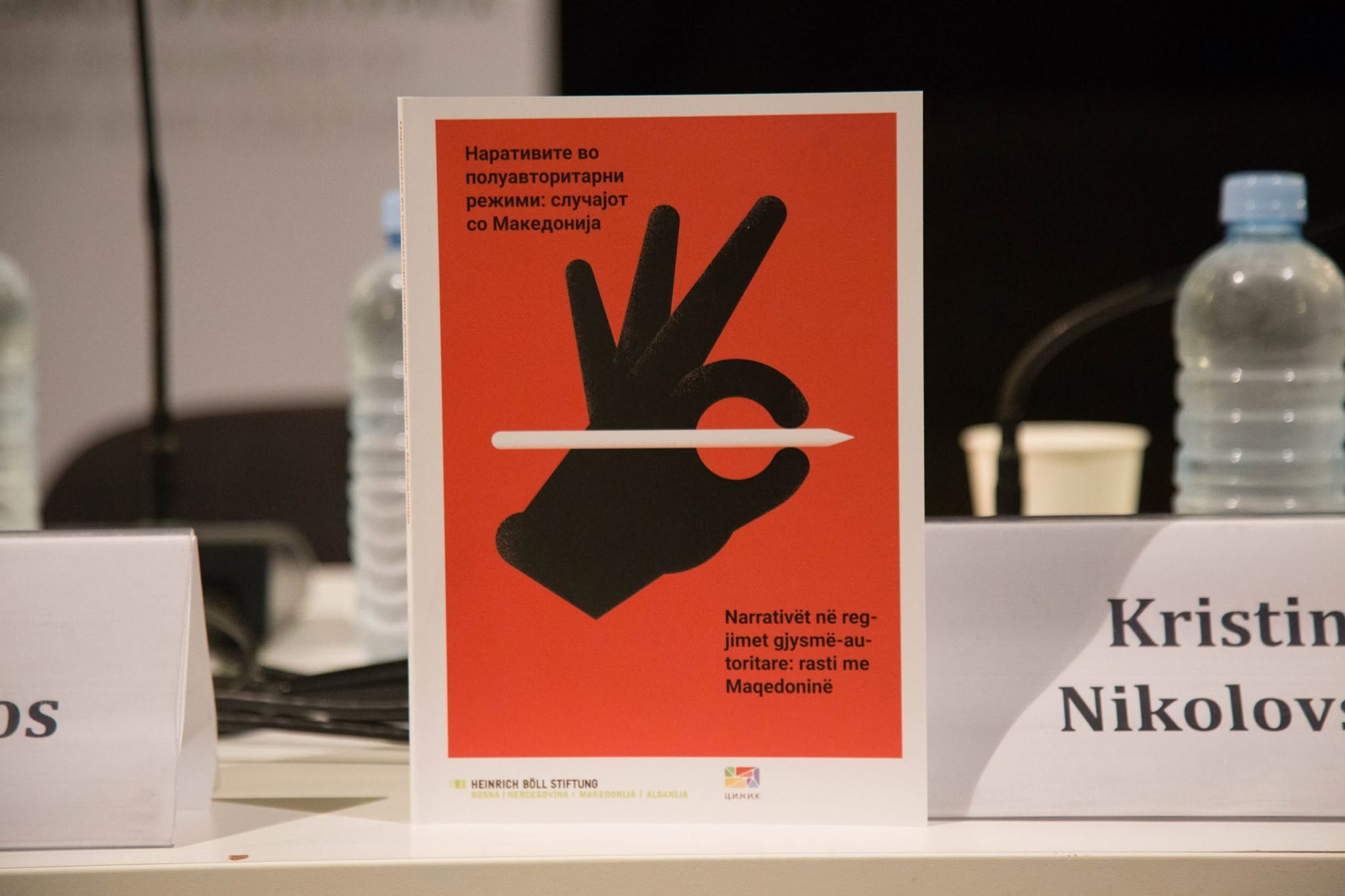
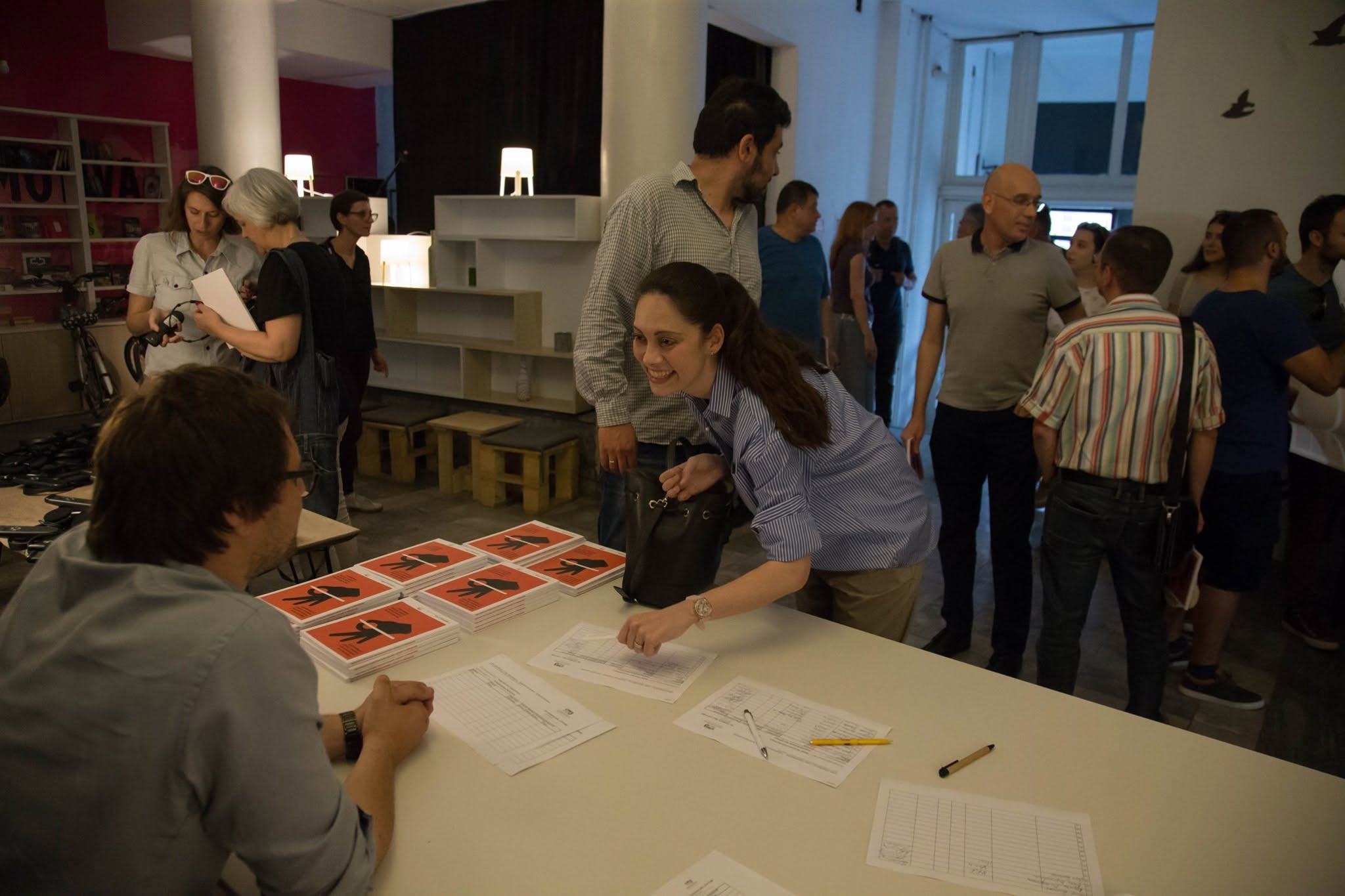
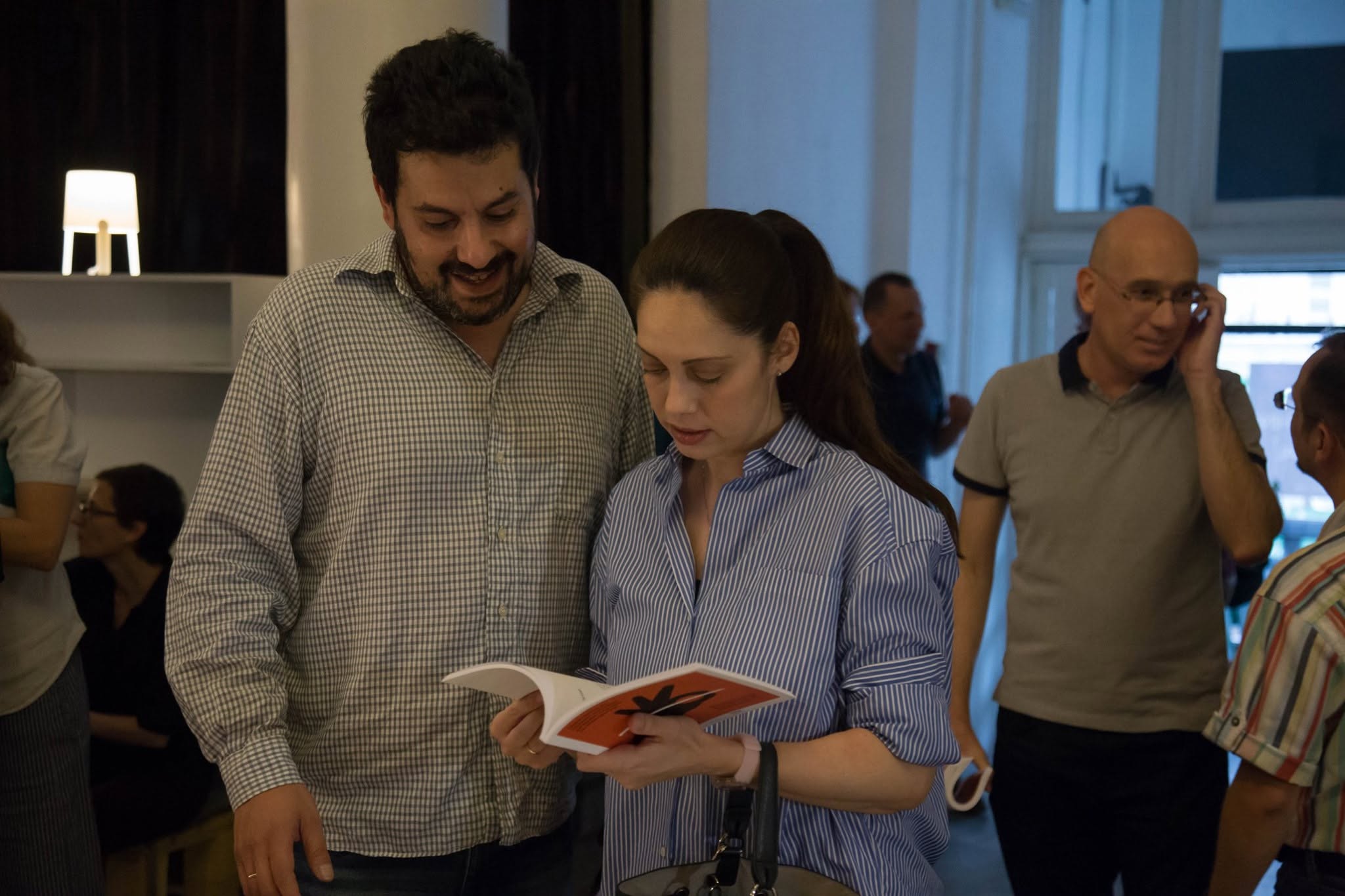
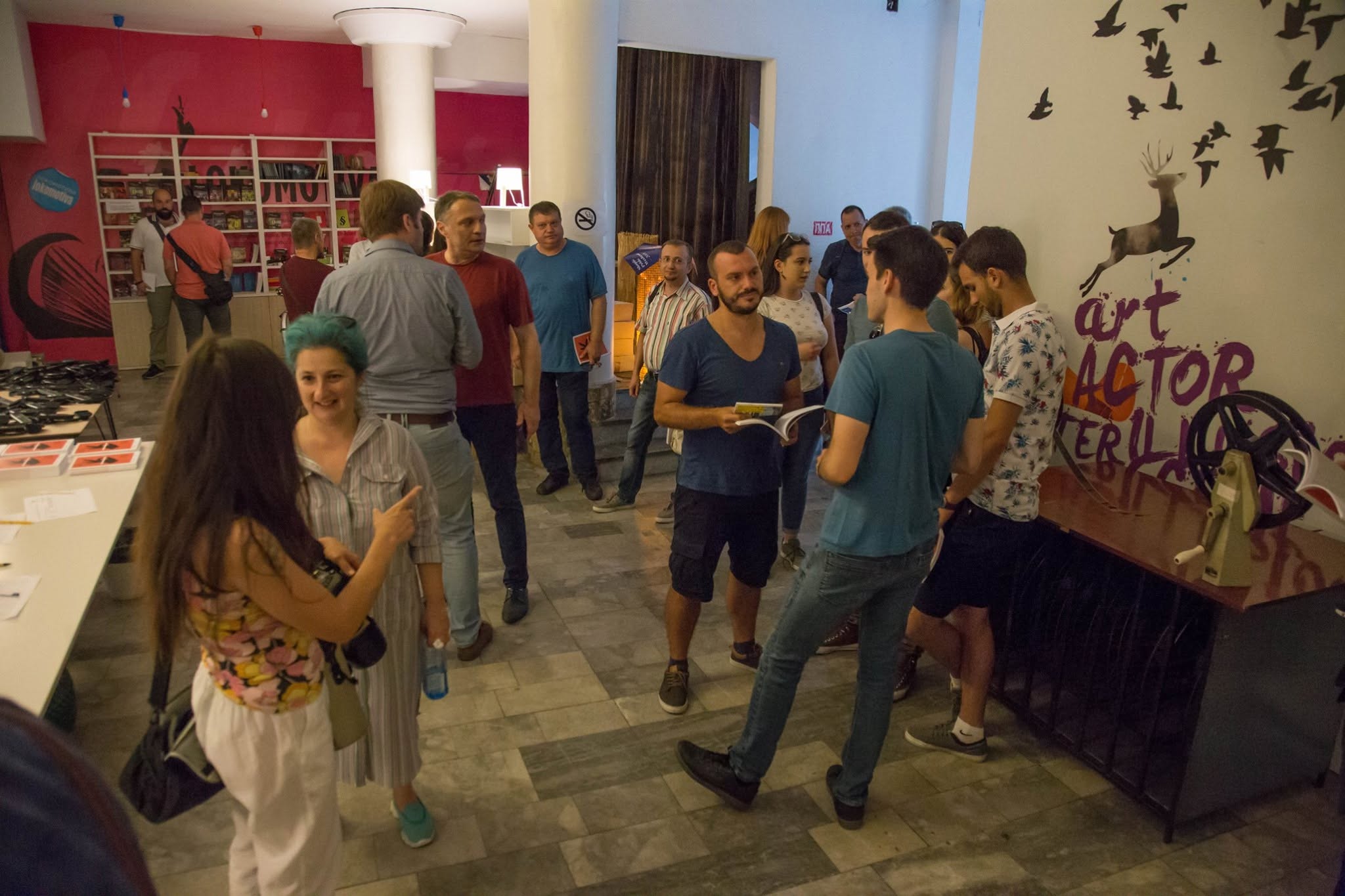
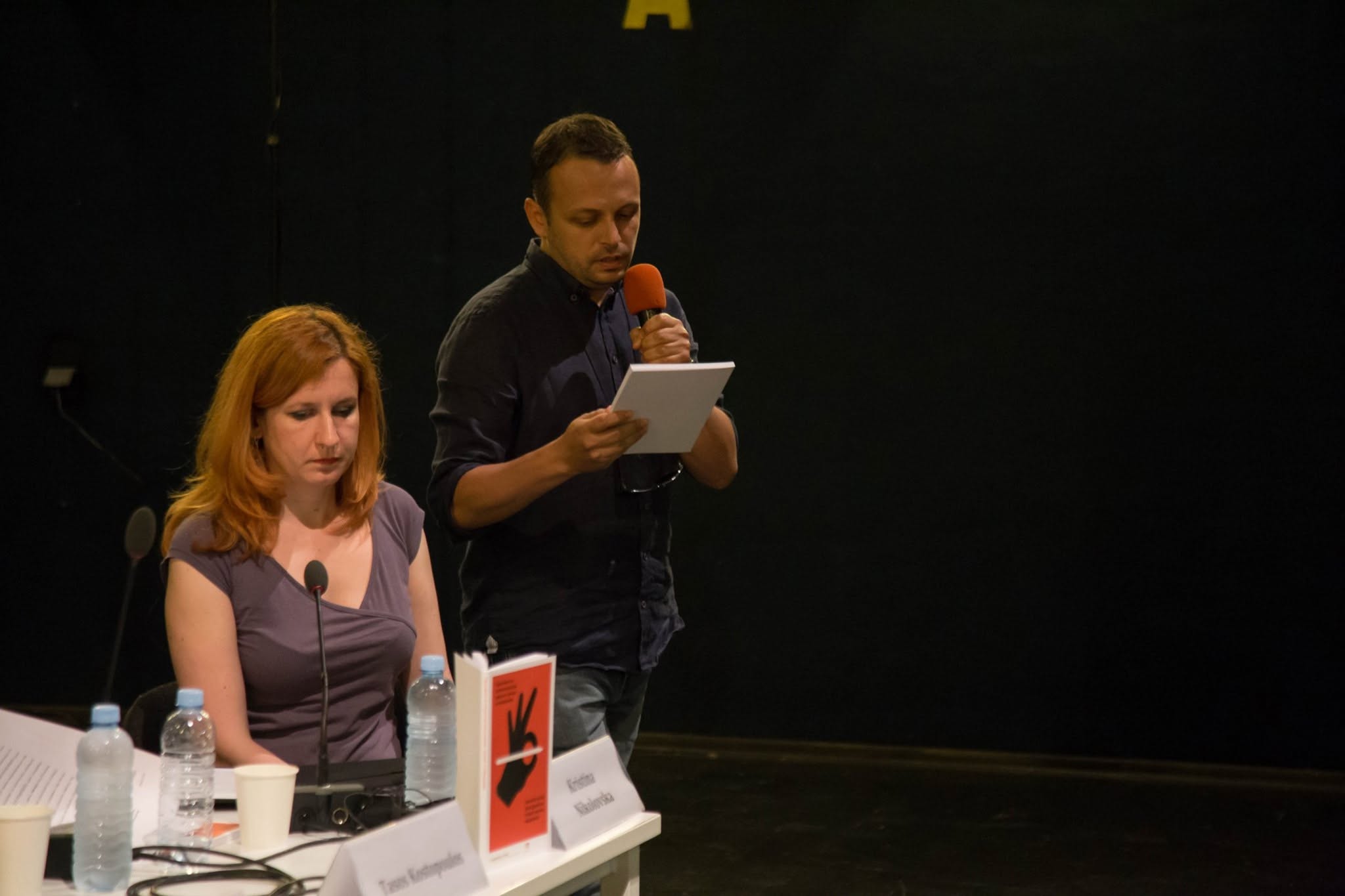
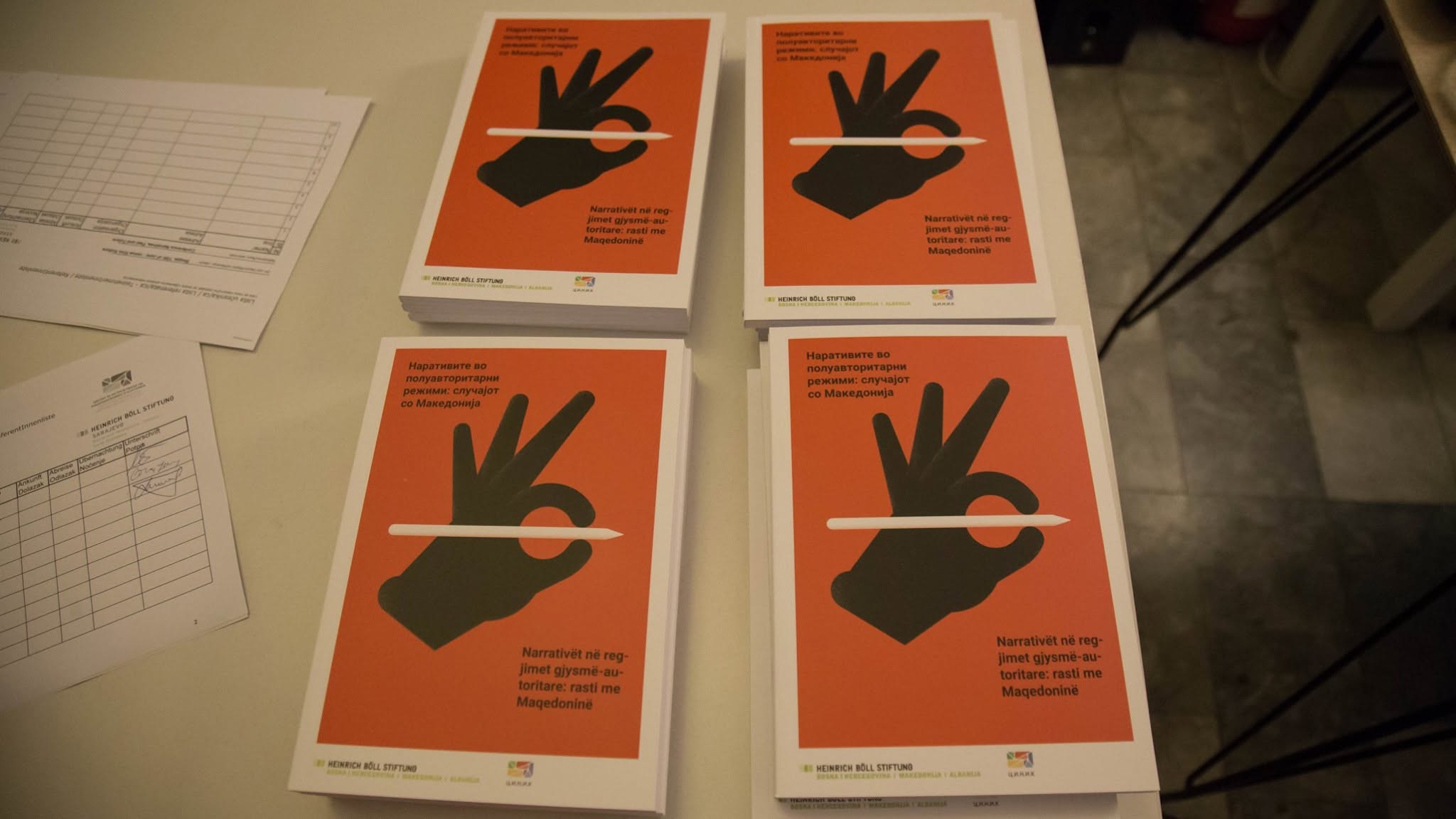
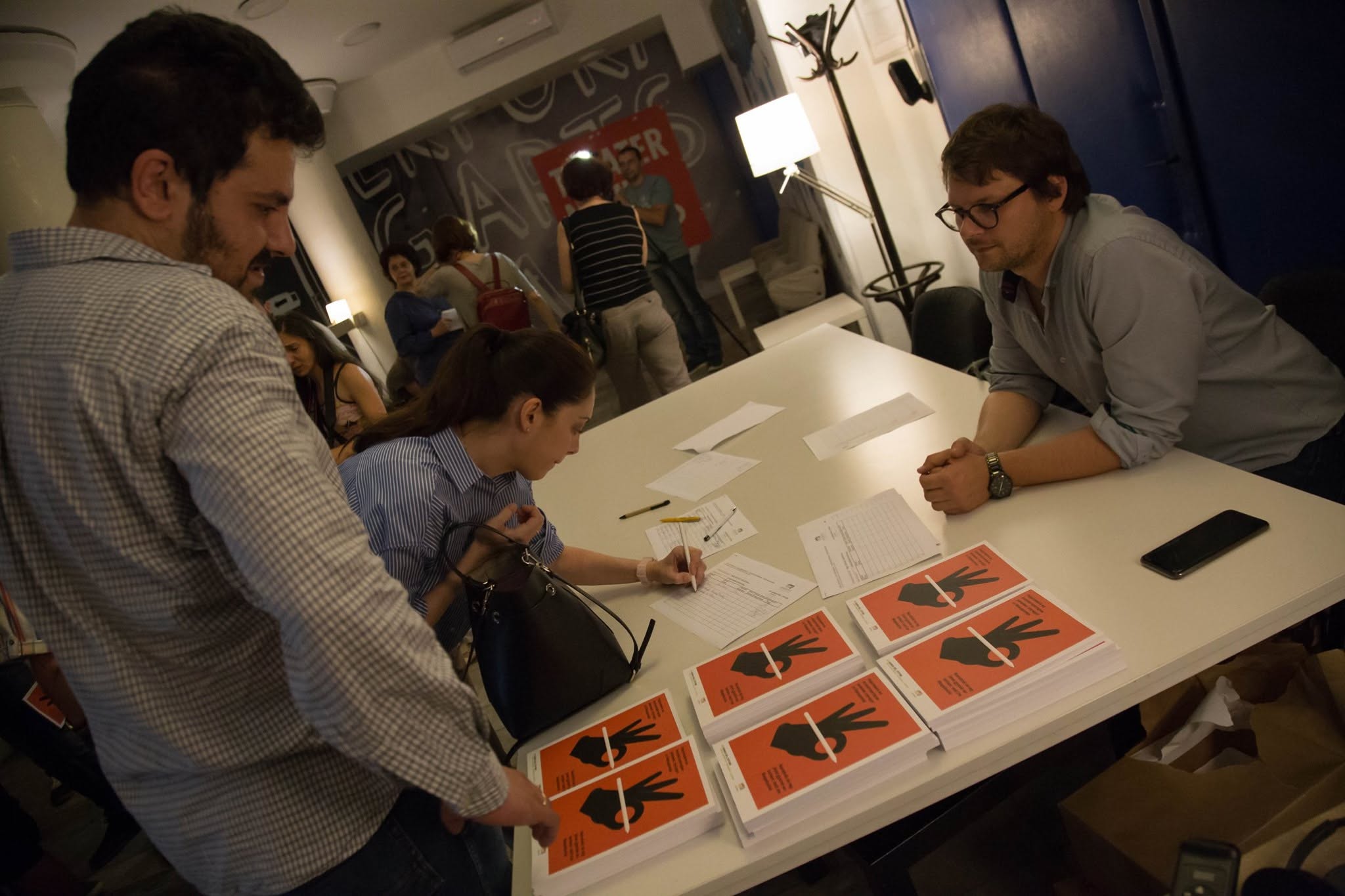
At the event, we will also promote the volume “Narratives in semi-authoritarian regimes: the case of Macedonia” published by CINIK in 2018. The volume will be presented by Petar Todorov (CINIK). The debate and the promotion are financially supported by the Heinrich Böll Foundation.
The bilateral agreements between North Macedonia and Bulgaria, as well as between North Macedonia and Greece, brought to the fore the differences in understanding of the historical events within the three societies. While the two agreements were widely supported by the international community as a significant advancement in regional cooperation, the reactions within the three societies remained mixed. Historical myths and narratives on the relations between the main ethnic groups in the three countries affected the national debate(s) in regard to the agreements and may still represent an obstacle in achieving deeper level of regional cooperation.
We believe that it is right moment to exchange opinions on the role of national historiographies in the development of the cooperation between the three countries and their citizens. We will focus on the historical narratives – officialized through the national historiographies and transmitted through educational systems – widely used in the public discourse in regard to the agreements between North Macedonia and Bulgaria and Greece, from the perspective of the three societies. We will also address the issue of the future development of historical narratives in the context of implementation of the two agreements. The debate will be attended by the historians Tchavdar Marinov (Sofia), Tasos Kostopoulos (Athens) and historian and member of Parliament Irena Stefoska (Skopje) and moderated by Kristina Nikolovska (Skopje).
The debate will be held in Macedonian and English with simultaneous translation in Macedonian, Albanian and English. The volume “Narratives in semi-authoritarian regimes: the case of Macedonia” is available in Macedonian in Albanian.
We are looking forward to your attendance!
On the participants
Tchavdar Marinov received his PhD in History and Civilizations from Ecole des Hautes Etudes en Sciences Sociales in Paris. His research area includes the history and historiography of the Macedonian Question, the ideological uses of Antiquity and the cultural heritage policies in the Balkans. He is the author of La Question macédonienne de 1944 à nos jours. Communisme et nationalisme dans les Balkans and of « Nos ancêtres les Thraces. » Usages idéologiques de l’Antiquité en Europe du Sud-Est (Paris: L’Harmattan, 2010 and 2016). Marinov is also the co-editor of Entangled Histories of the Balkans. Vol. 1: National Ideologies and Language Policies and Vol. 4: Concepts, Approaches, and (Self-)Representations (Leiden & Boston: Brill, 2013 and 2017), and of Balkan Heritages. Negotiating History and Culture (Farnham: Ashgate, 2015).
Tasos Kostopoulos holds a Ph.D. in Modern History from the University of the Aegean, with a doctoral thesis (in Greek) entitled “National Parties and early Macedonism. The Social and Political Dimension of National Strife in late Ottoman Macedonia”. A journalist by profession, he has been working since 2012 in the cooperative Athenian daily Efimerida ton Syntakton. He is the author of six books in Greek, among them The Prohibited Language. State Repression of Slavic Dialects in Greek Macedonia (Athens 2000). His interests revolve around the questions of nationalism as a socio-political project, social movements and conflicts, minority assimilation and ethnic cleansing, political violence and “deep state” politics.
Irena Stefoska is Full professor at the Institute of National History, Ss. Cyril and Methodius University in Skopje (MA from CEU, Budapest, 1994; MPhil from the Belgrade University, 2001; PhD from the Faculty of Philosophy in Skopje, 2007). Currently, she is a MP. She was a Fulbright Scholar at Brown University, USA (2009/10) and a visiting research scholar at the Columbia University Fellowship Program for “Historical Dialogue and Accountability” (2012).Nations and nationalism in the Balkans, historical and political myths in the Balkans, and history teaching in Southeastern Europe have been the main topics of her research. She has been a member of the History Committee at the Center for Democracy and Reconciliation in Southeast Europe in Thessaloniki (since 2007), an associate of the Center for Human Rights and Conflict Resolution in Skopje; alumni of the Georg Eckert Institute in Braunschweig and member of the international network Alliance for Historical Dialogue and Accountability within the Human Rights Institute at Columbia University, New York.
Kristina Nikolovska is currently a specialist in Church Slavonic manuscripts and early printed books at the National and University Library “St. Clement of Ohrid” – Skopje. Her research focuses on the textual traditions of early modern Southeast Europe and is informed by concerns in book history, manuscript studies and philosophy of historical writing. Nikolovska has received several postdoctoral fellowships such as the Advanced Academia Fellowship at the Centre for Advanced Study Sofia in 2018 and the Europe Next to Europe (ENTE) research fellowship at the New Europe College – Institute for Advanced Study (Bucharest) for the academic year 2015/16. In March 2016 she was a visiting scholar at the Hilandar Research Library/The Ohio State University. She has been invited to give talks at Central European University, The Ohio State University and The British Library. In November 2015, she received her joint doctoral degree in Text and Event in Early Modern Europe (TEEME) from the University of Kent (The United Kingdom) and Freie Universität Berlin (Germany). Her doctoral thesis ‘Let it be known’: Interrogating Historical Writing in Church Slavonic paratexts of Southeastern Europe (1371-1711) – which is currently being revised into a book – explores how South Slavic clergymen represented Ottoman power in the margins of their religious books. The thesis makes an argument that the invocation of eschatological themes within the corpus of marginalia reflect the relations between the Ottoman administration and the religious polity of the South Slavs. She also holds a master’s degree in Identity, Culture and Power from the University College London (UCL), the School of Slavonic and Eastern European Studies (SSEES).
On the volume “Narratives in semi-authoritarian regimes: the case of Macedonia”
The volume “Narratives in semi-authoritarian regimes: the case of Macedonia” was published in 2018 as a bilingual Macedonian and Albanian language volume. The volume is consisted of six articles that critically observe several important aspects on the Macedonian society (history, urbanism and architecture, theater, political speeches, human rights and media). The articles focus on authoritarian and conservative narratives in the Macedonian society. The volume appeared as a result of a conference held in Skopje in 2017. The conference and the volume were financially supported by the Heinrich Böll Foundation.