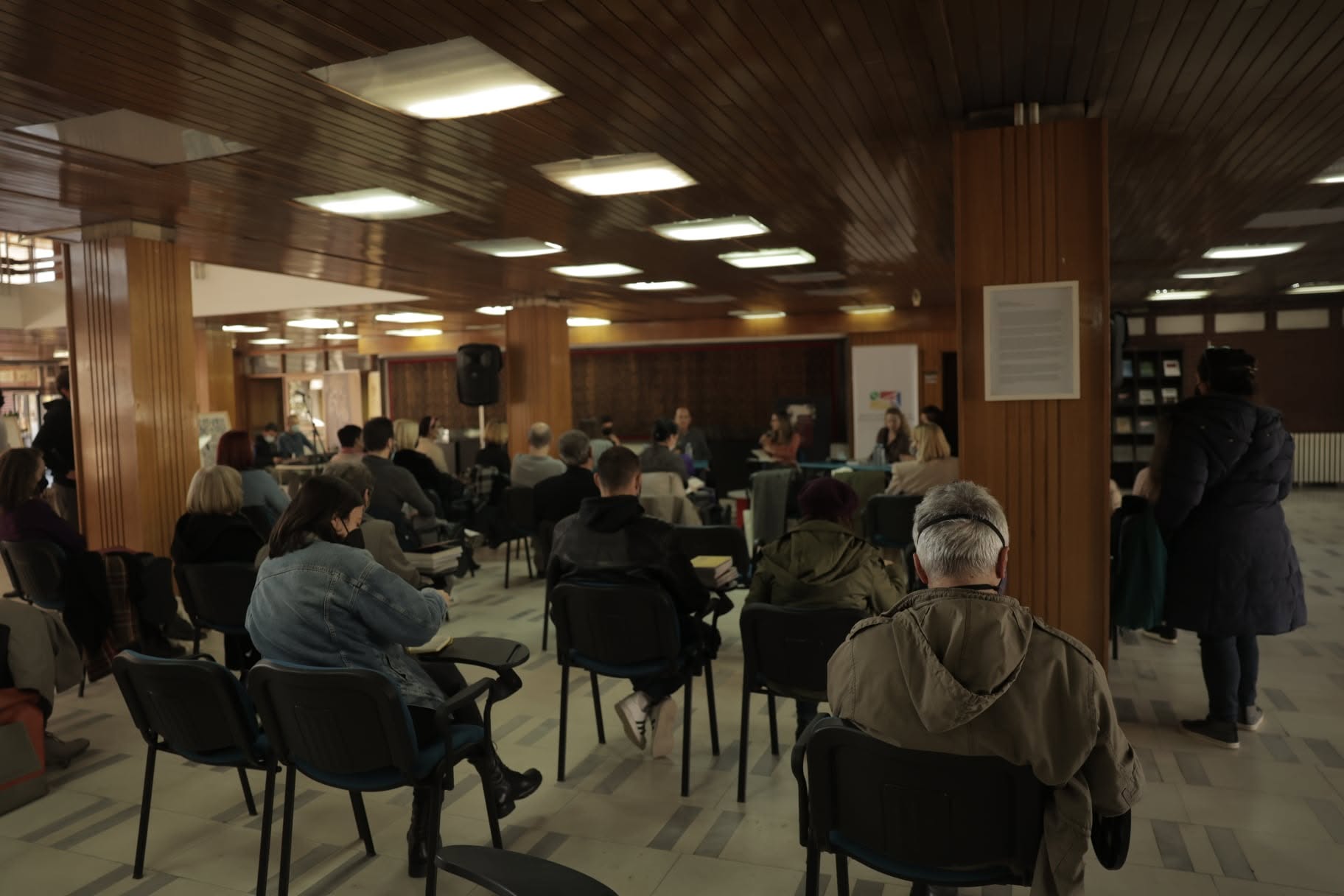
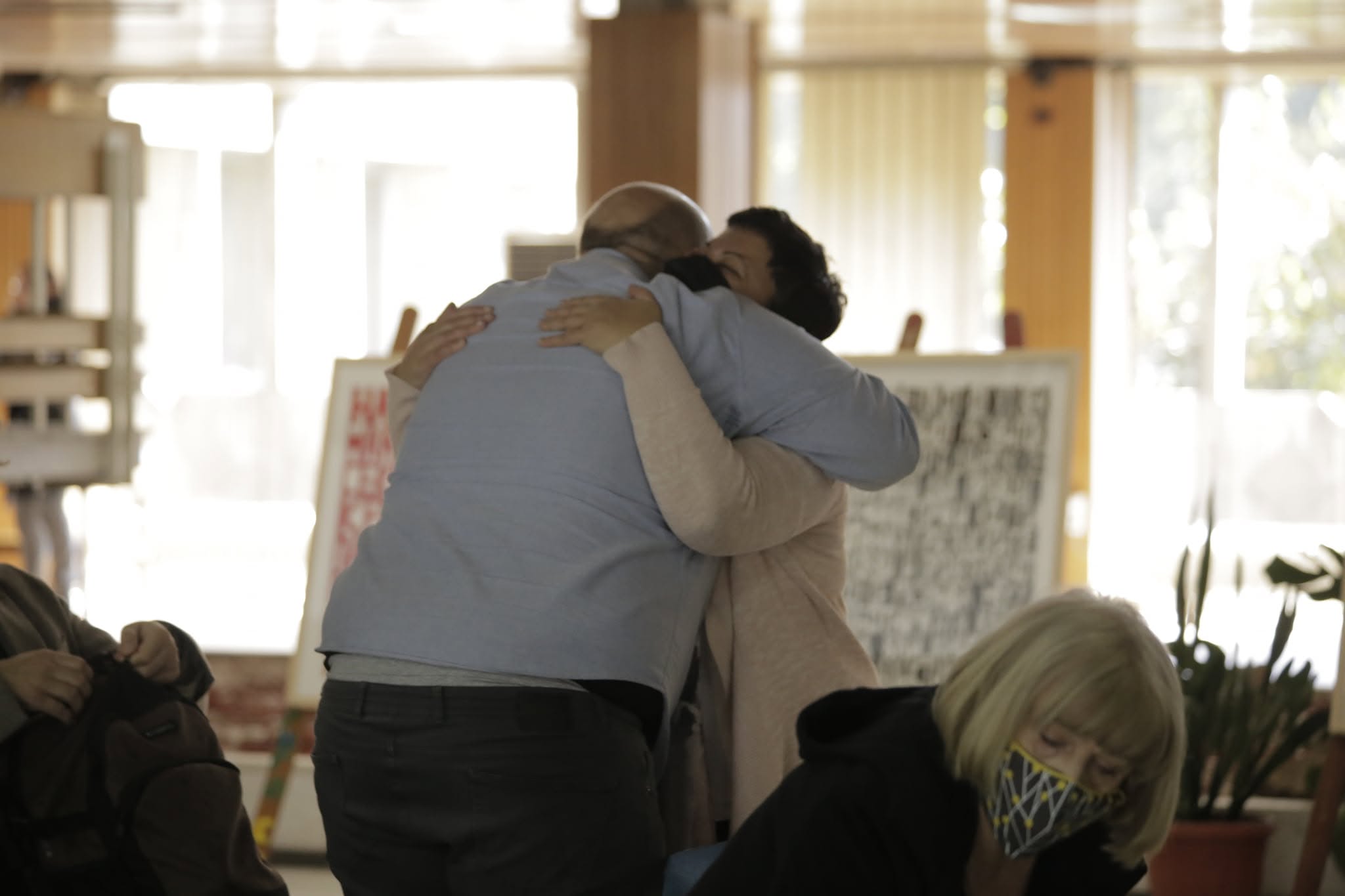
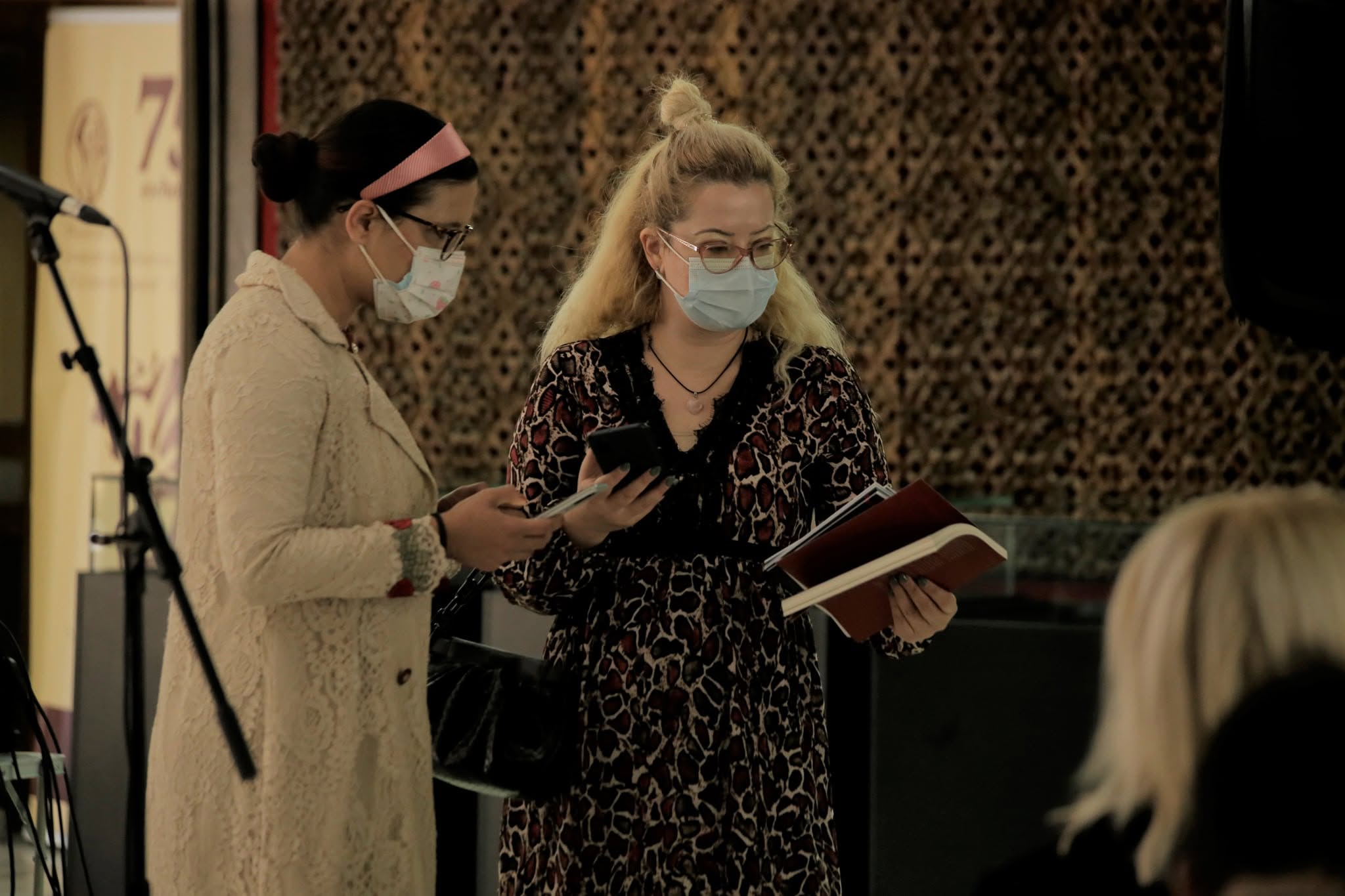
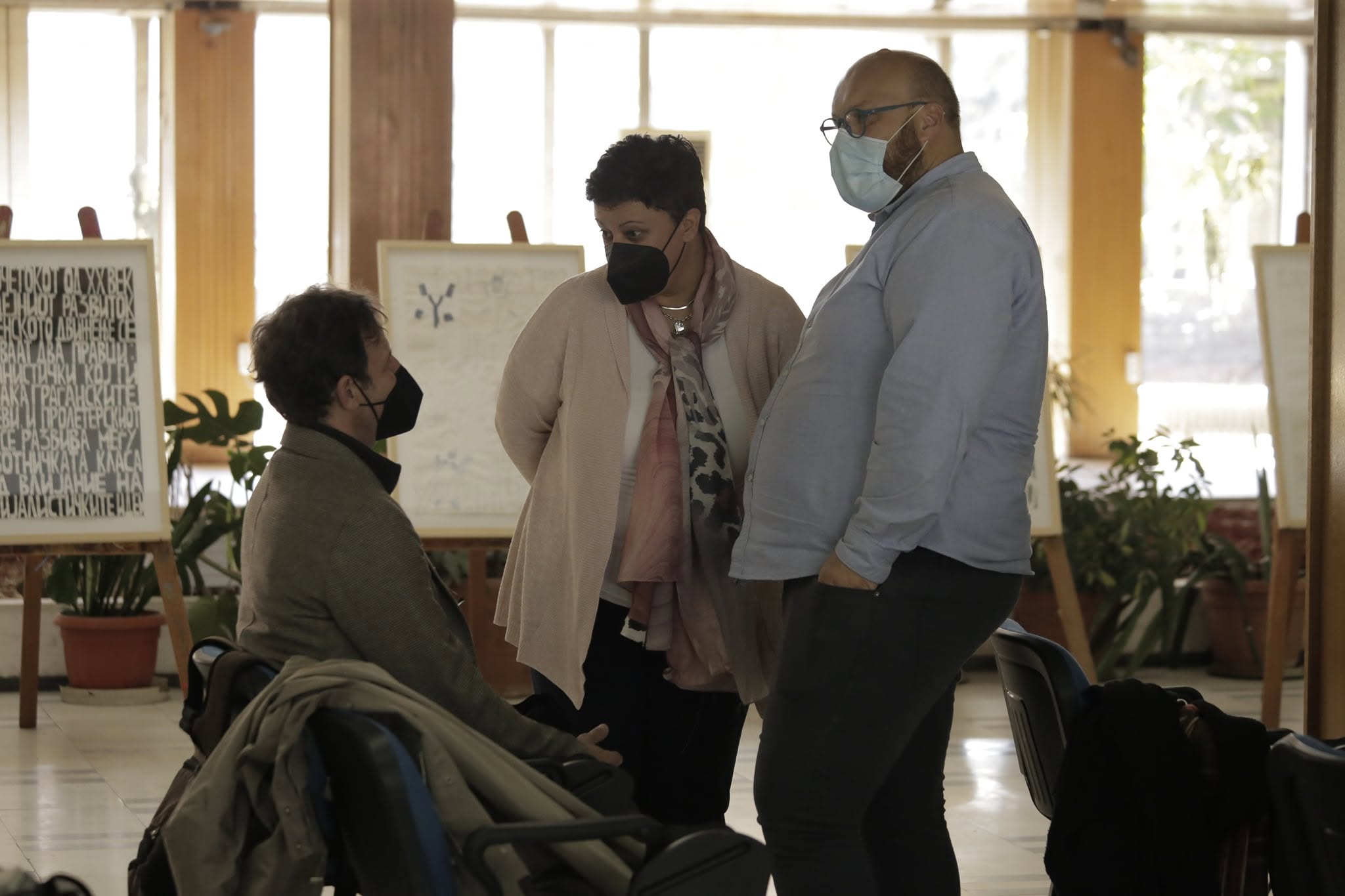
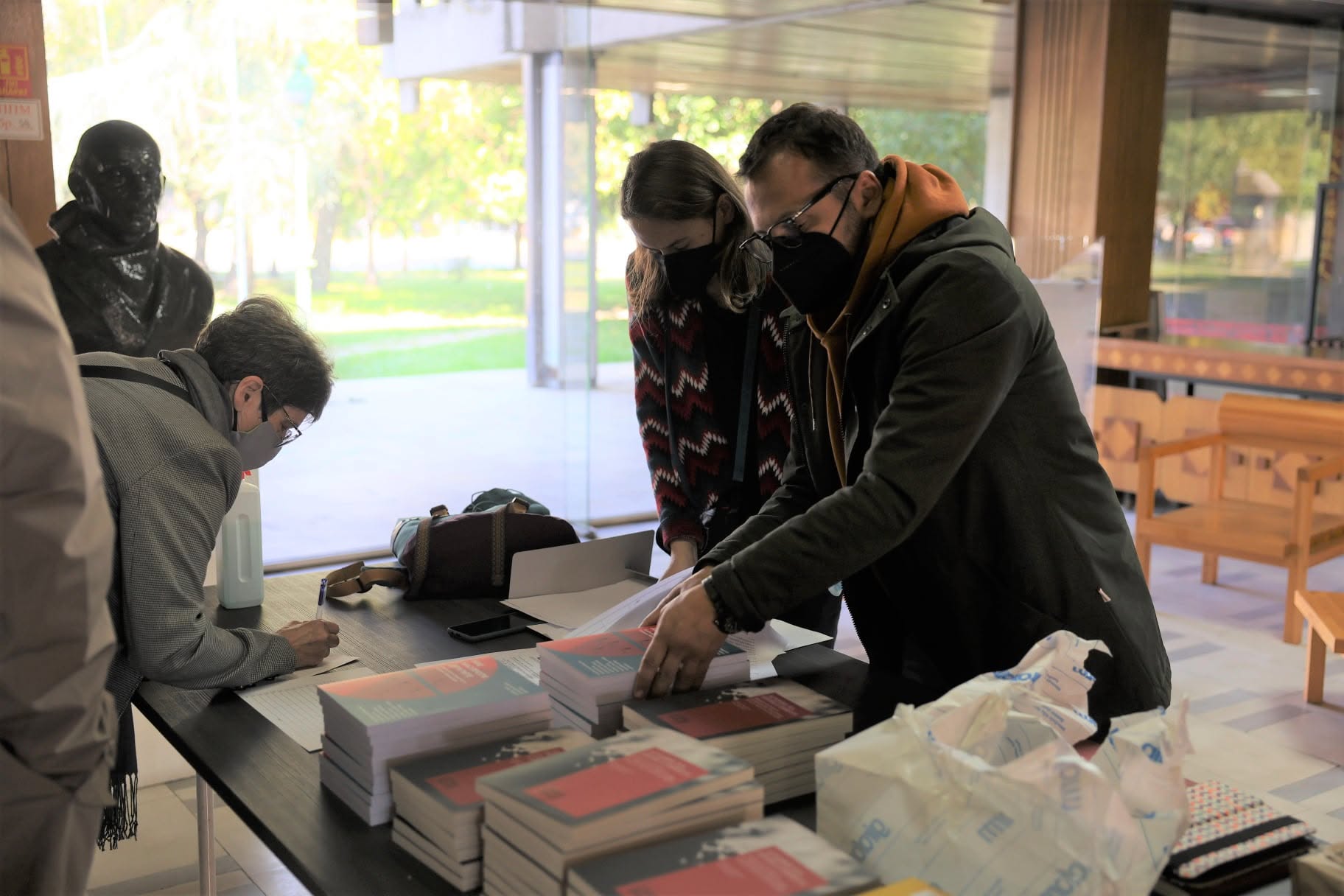
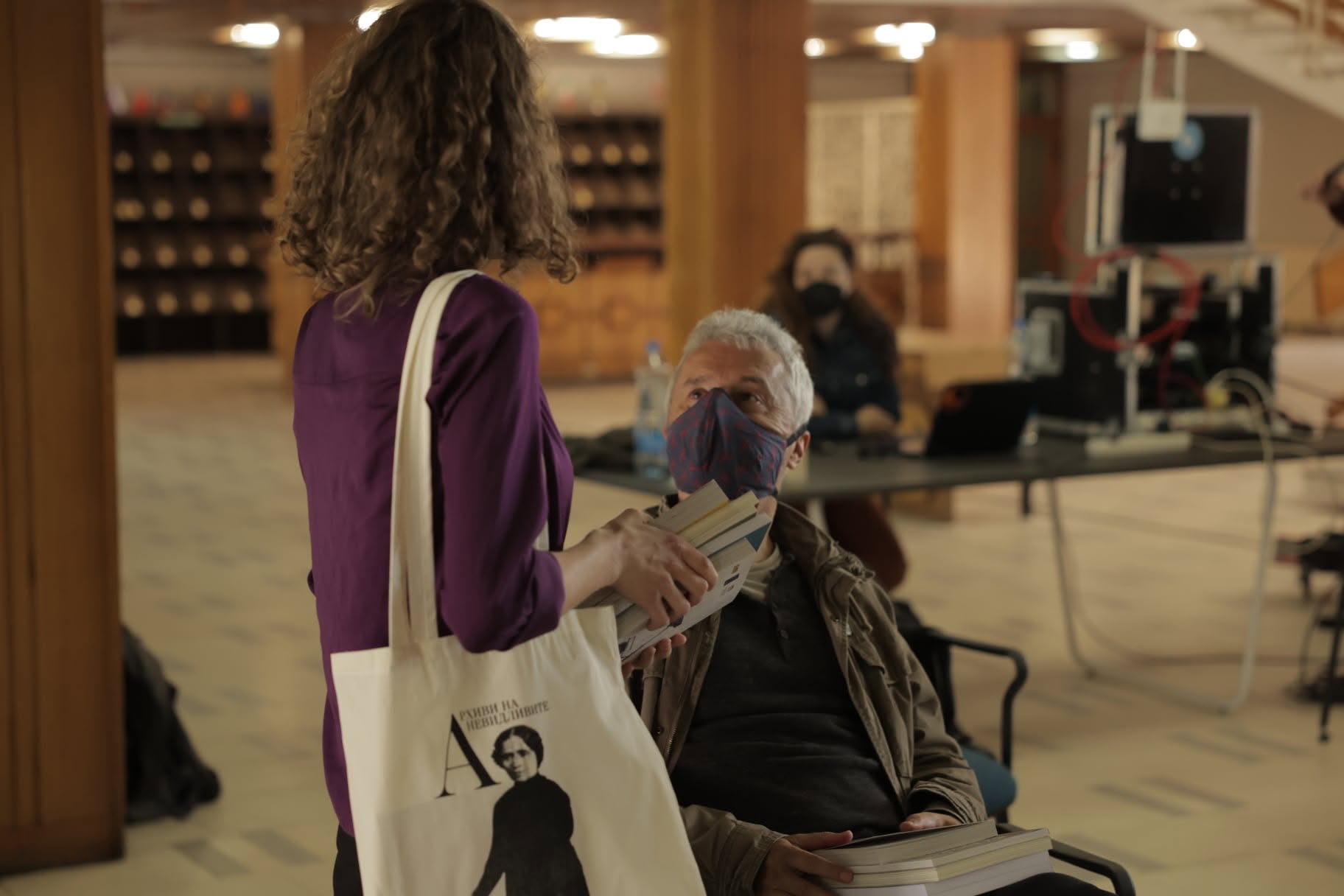
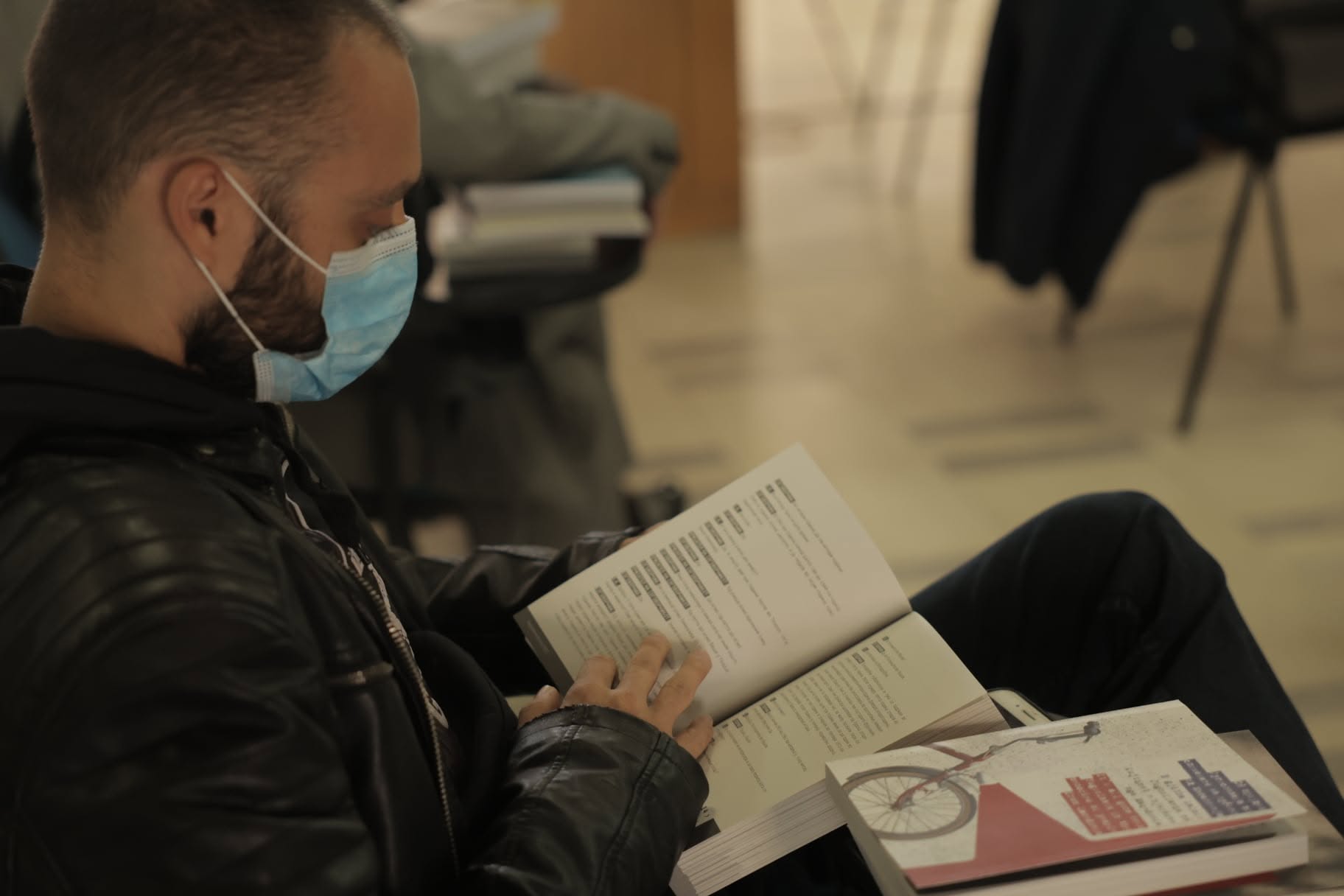
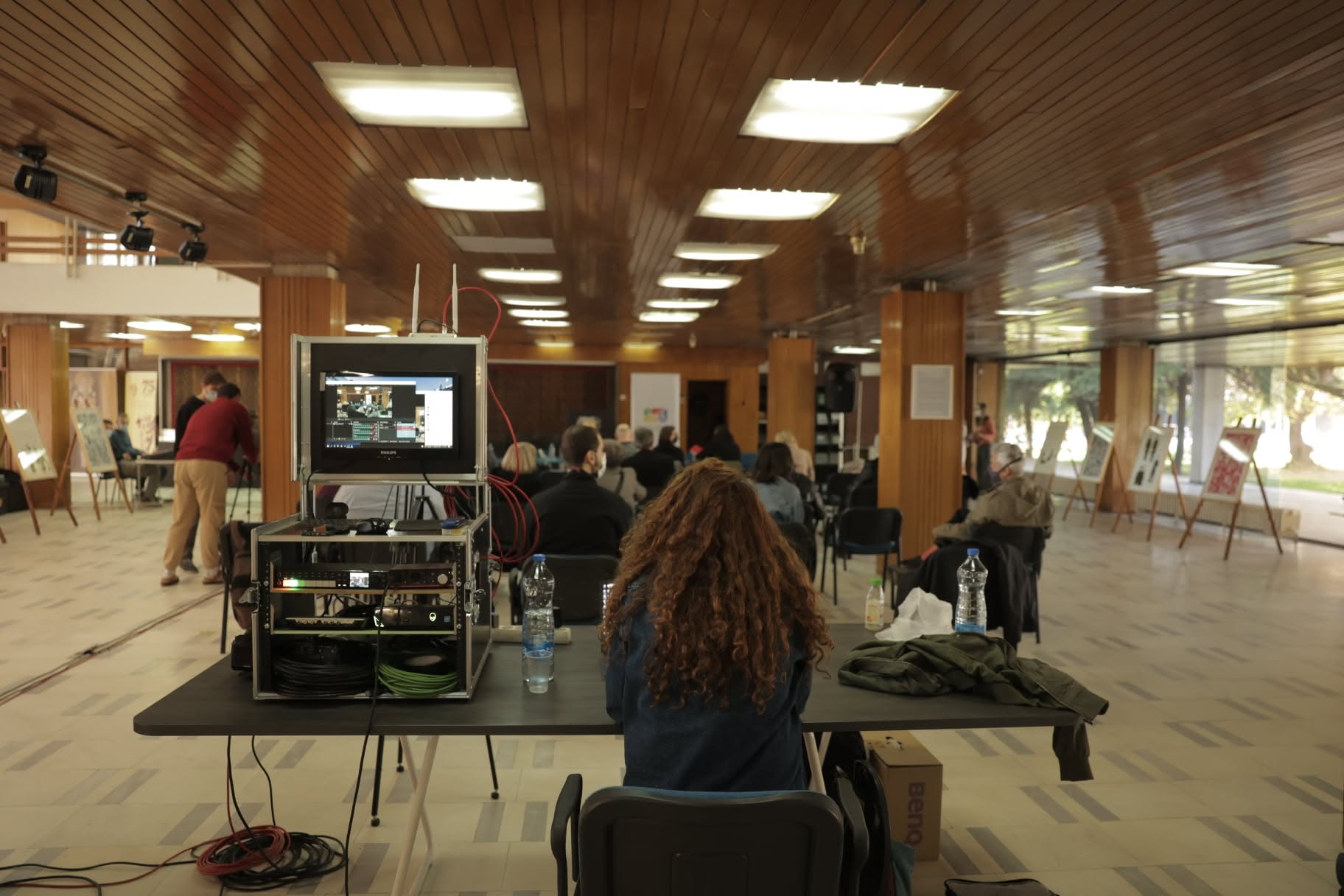
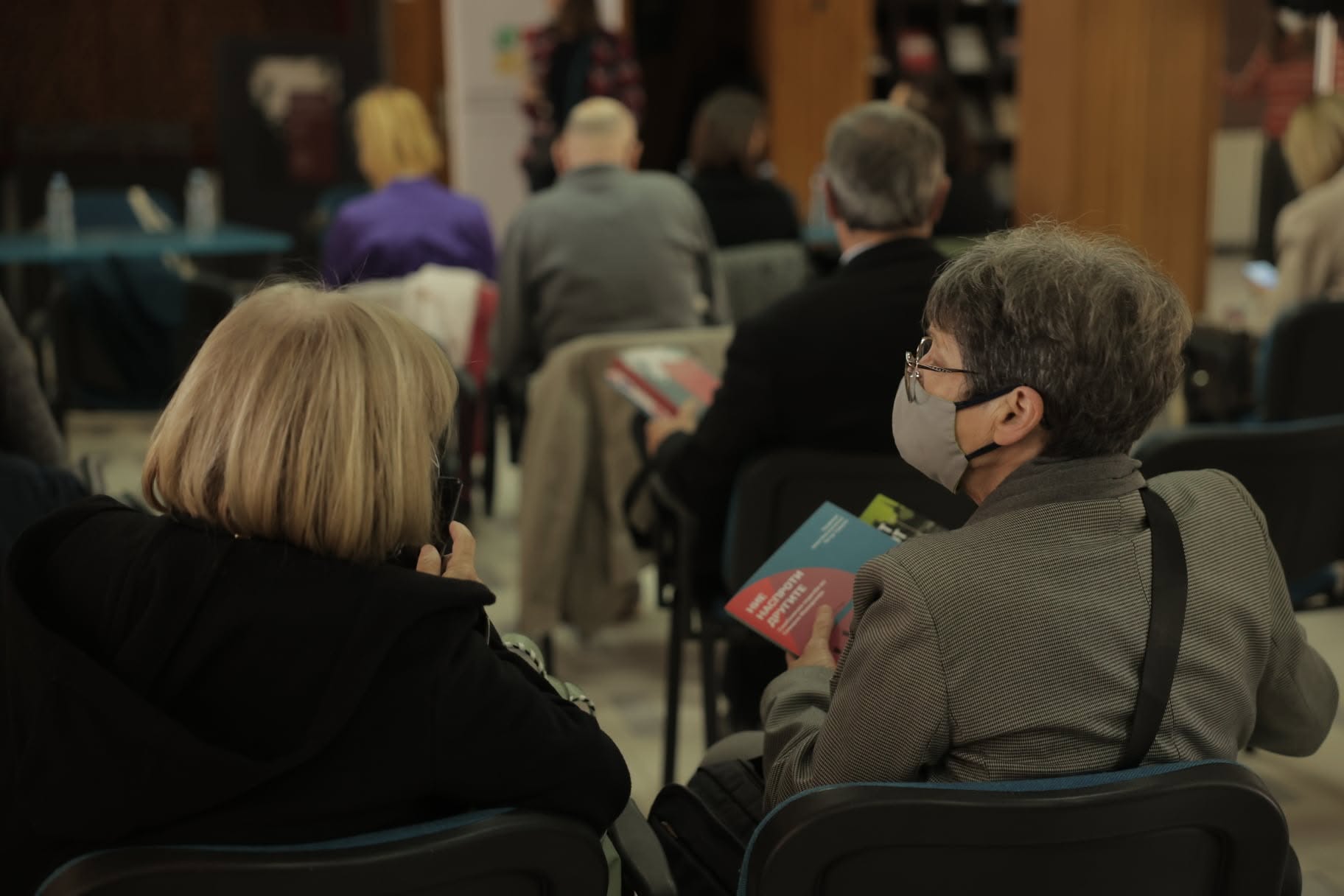
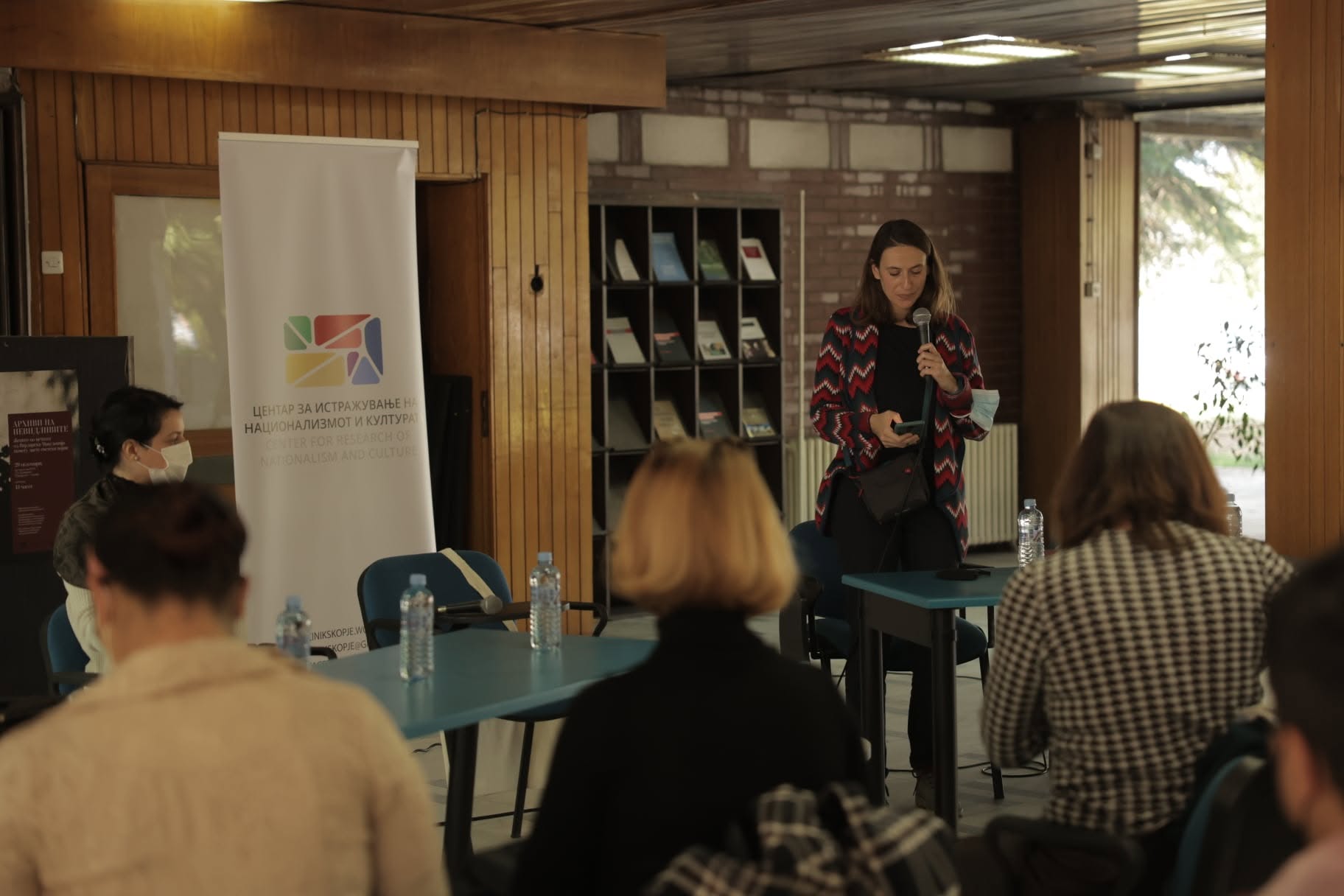
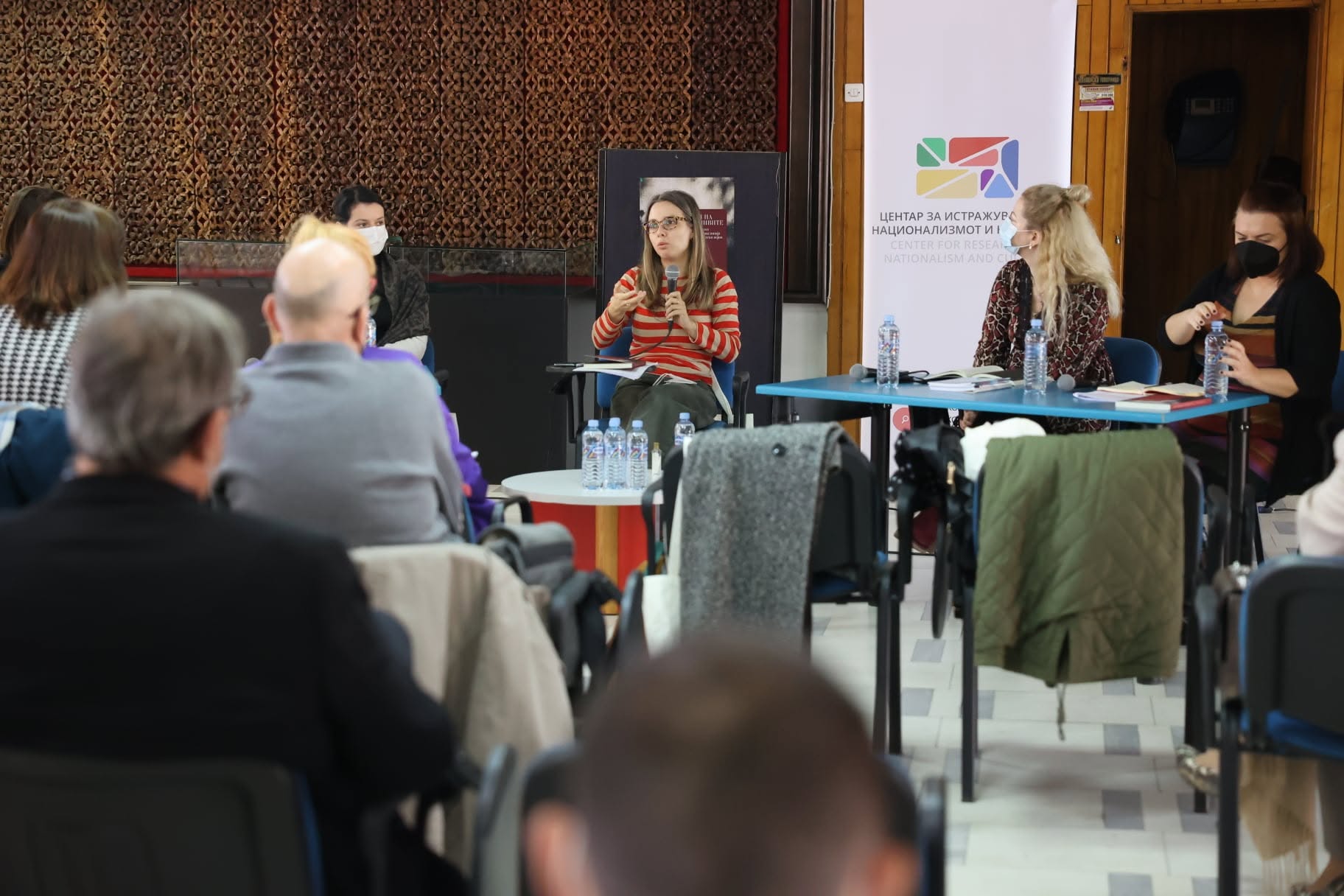
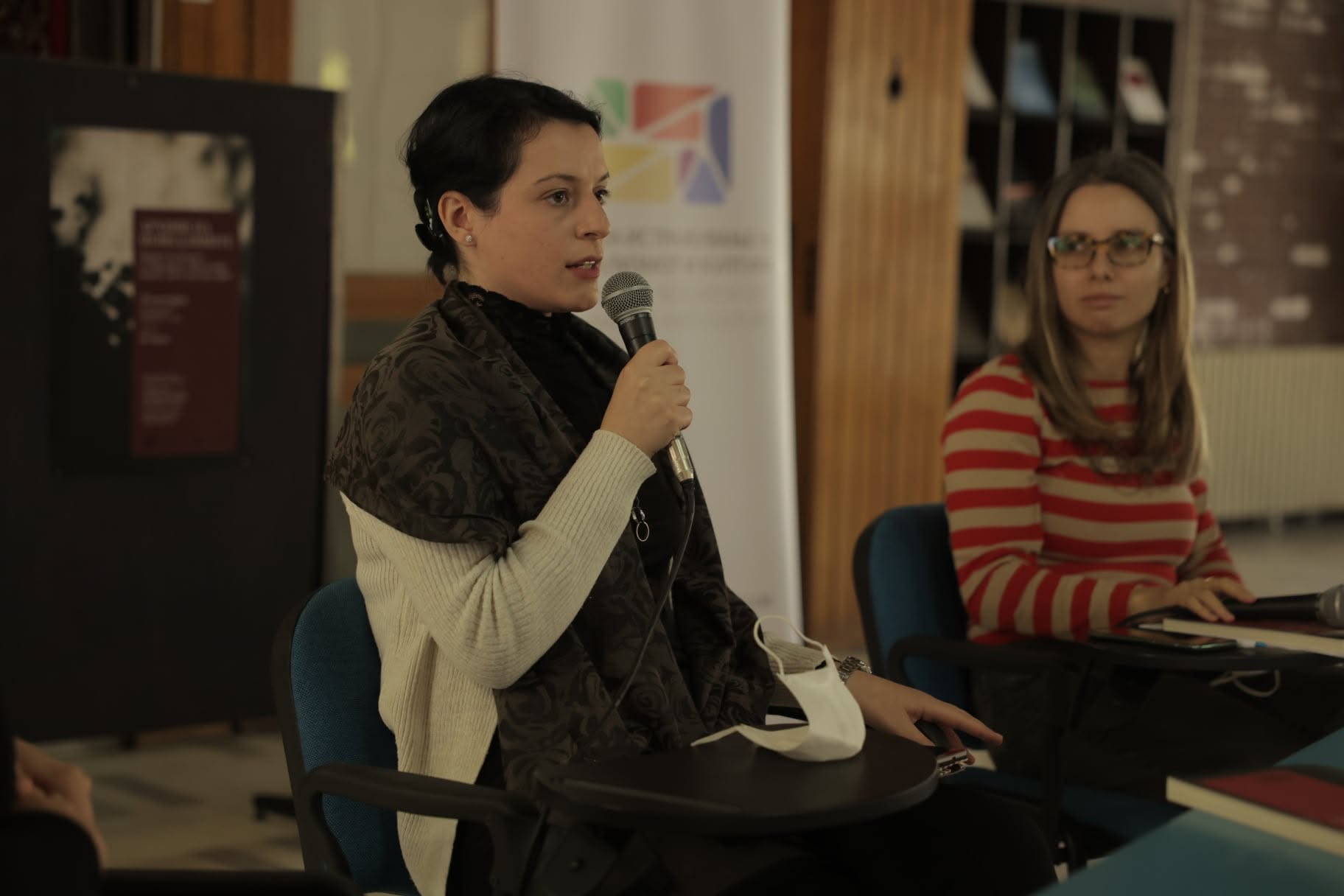
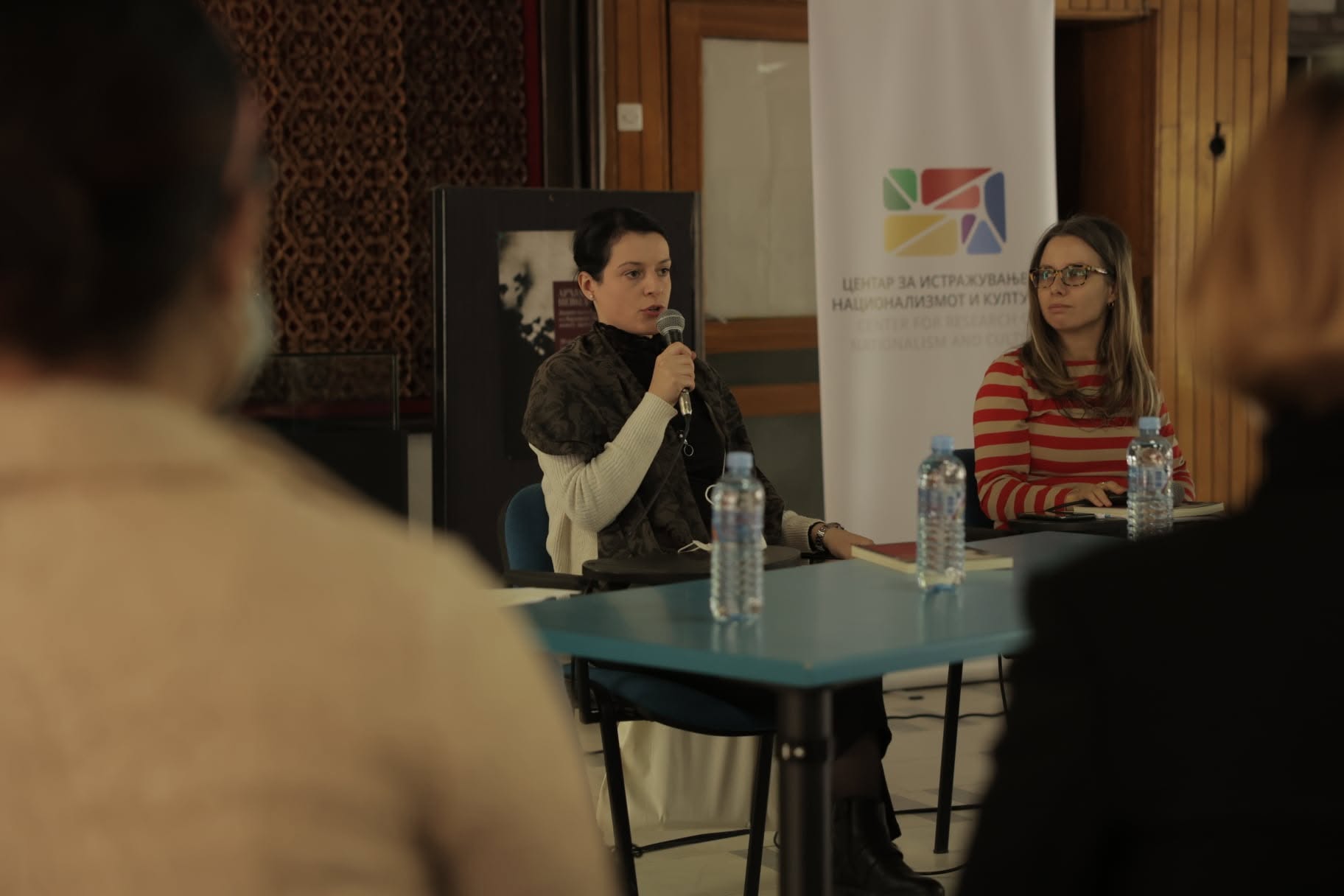
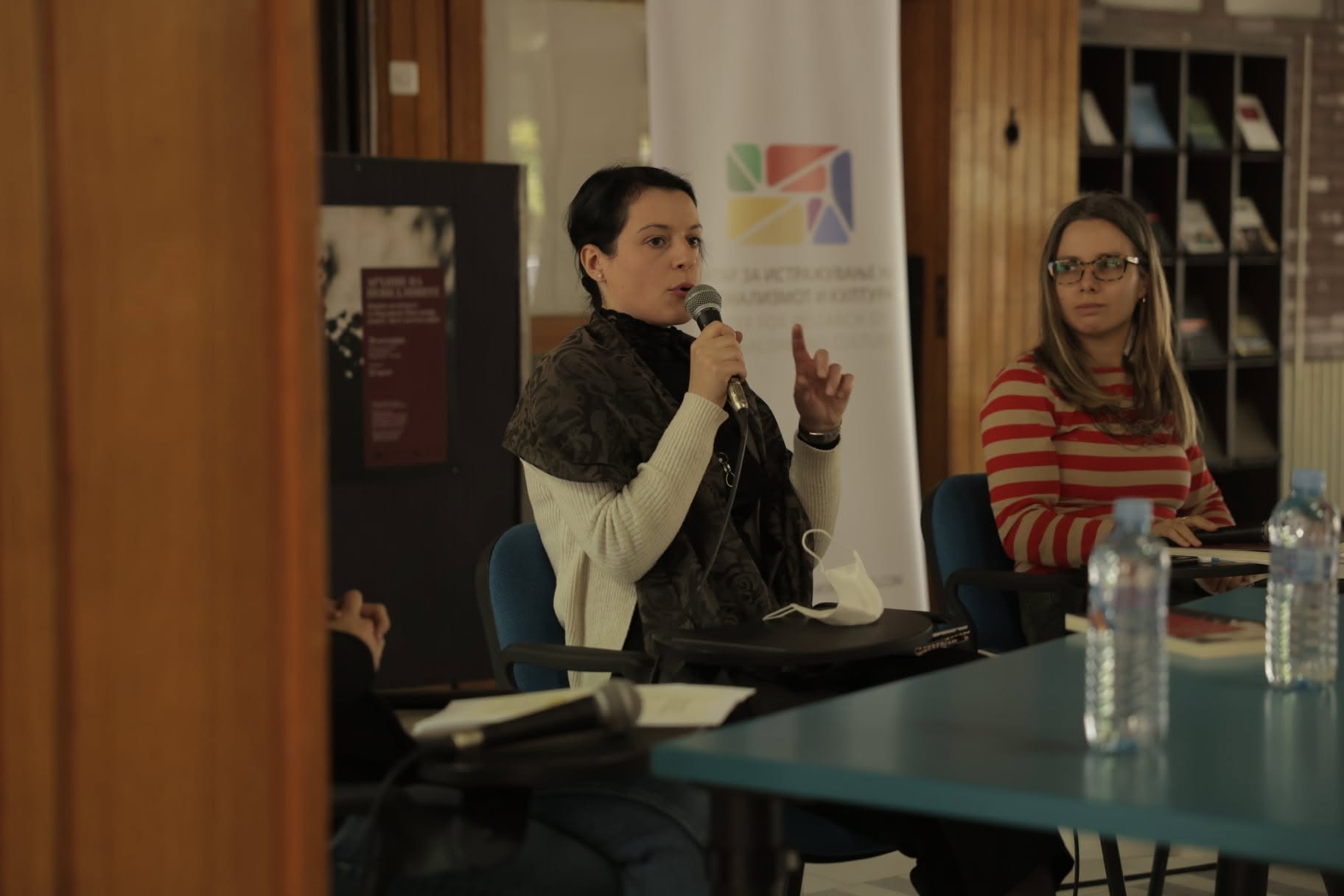
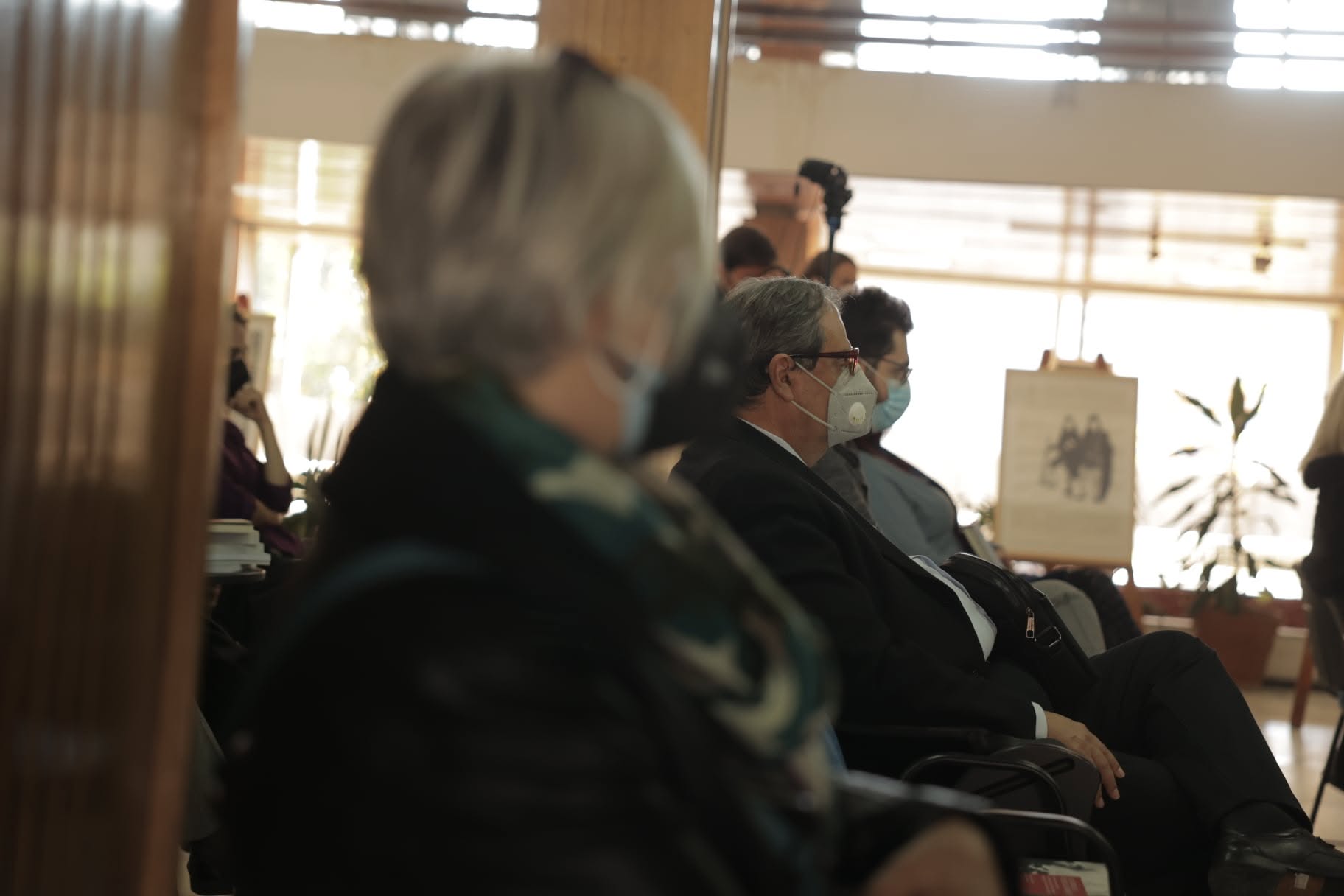
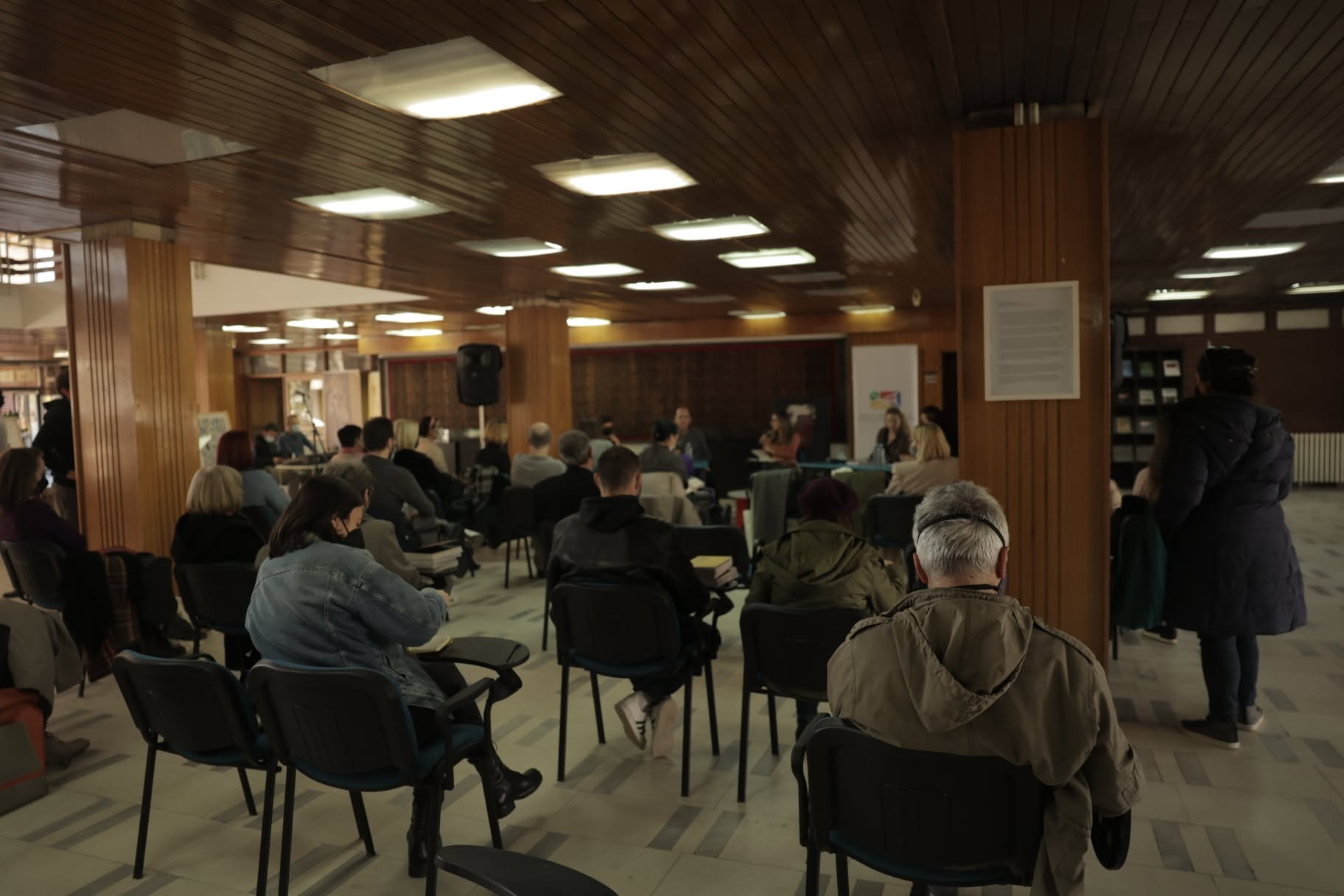
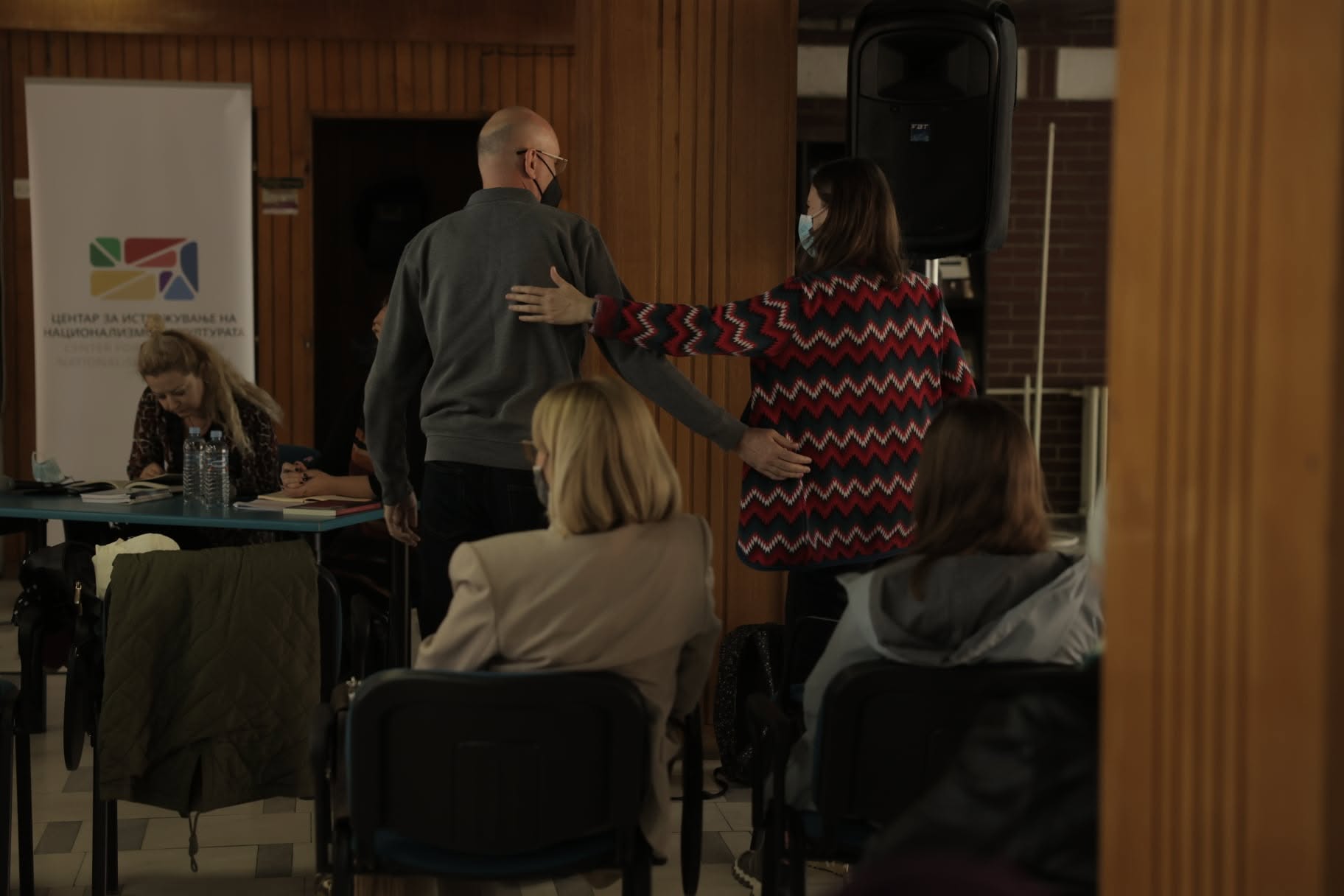
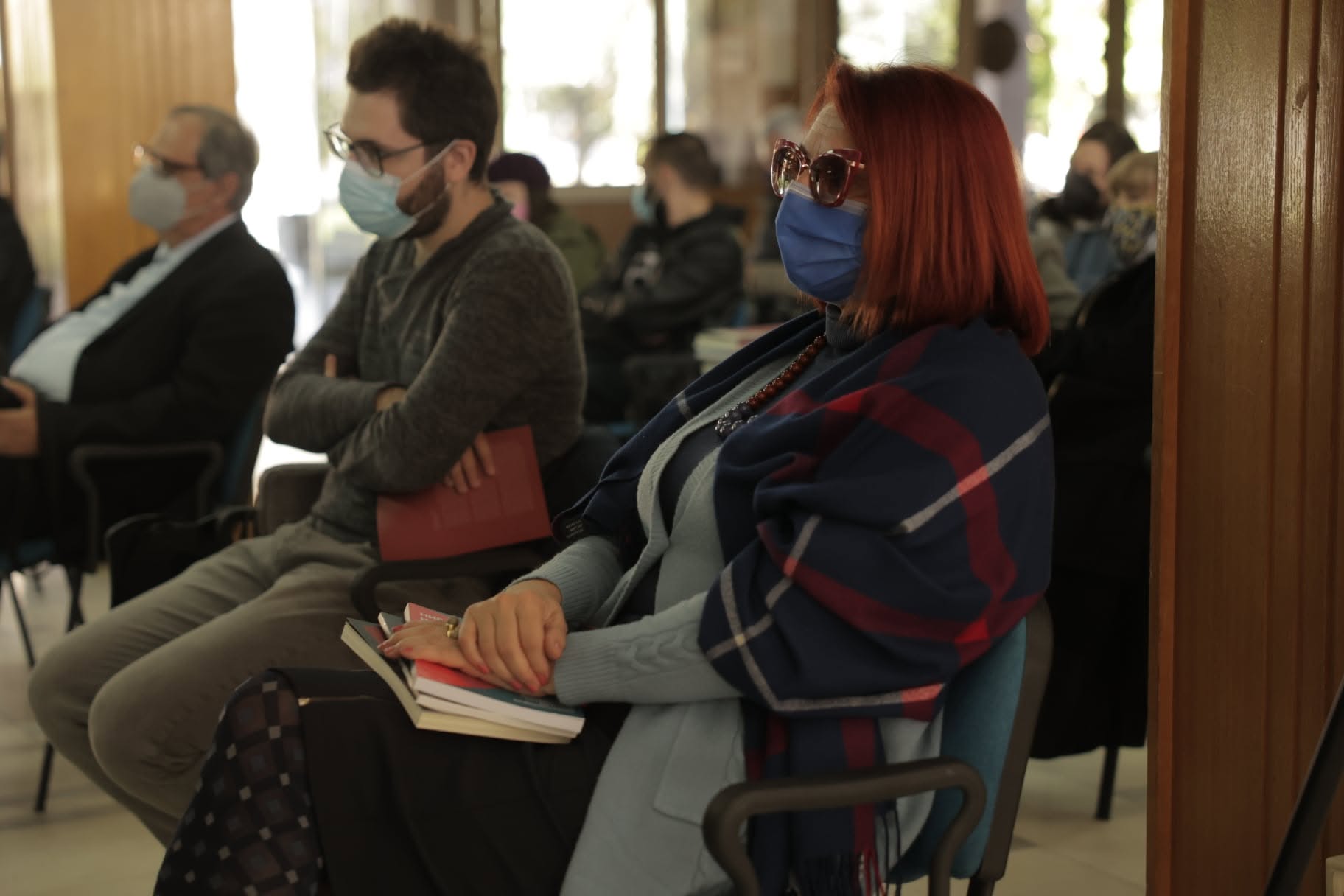
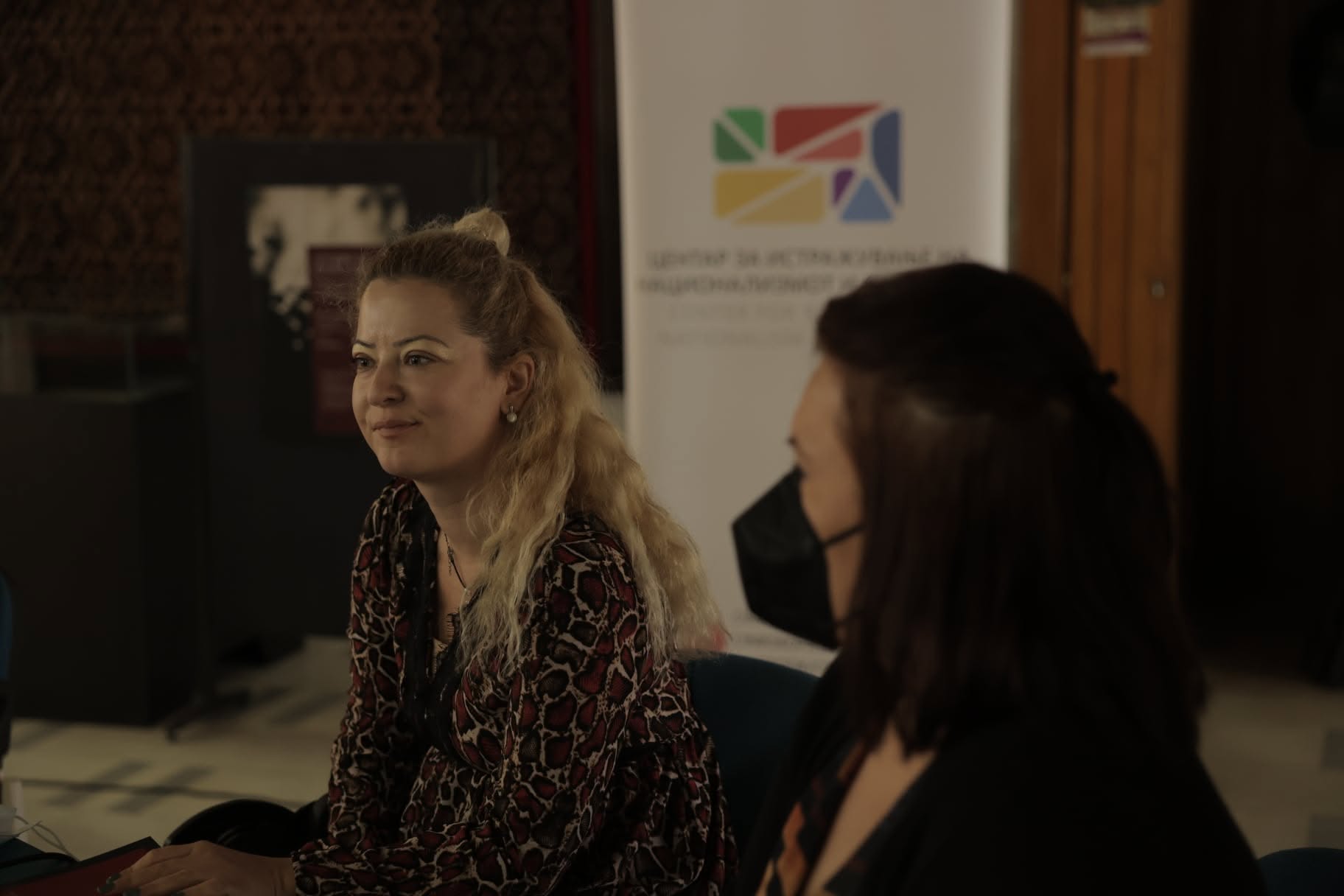
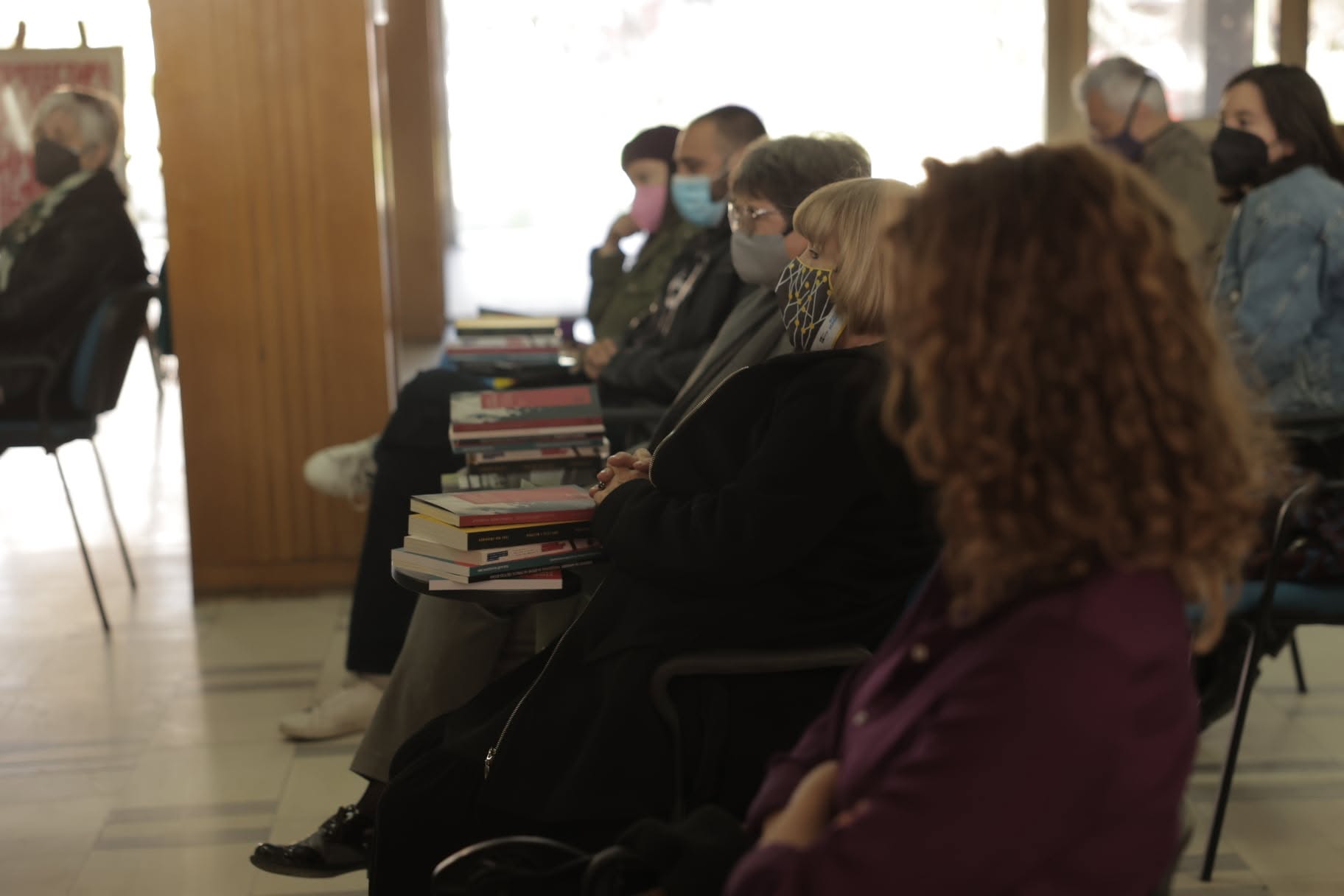
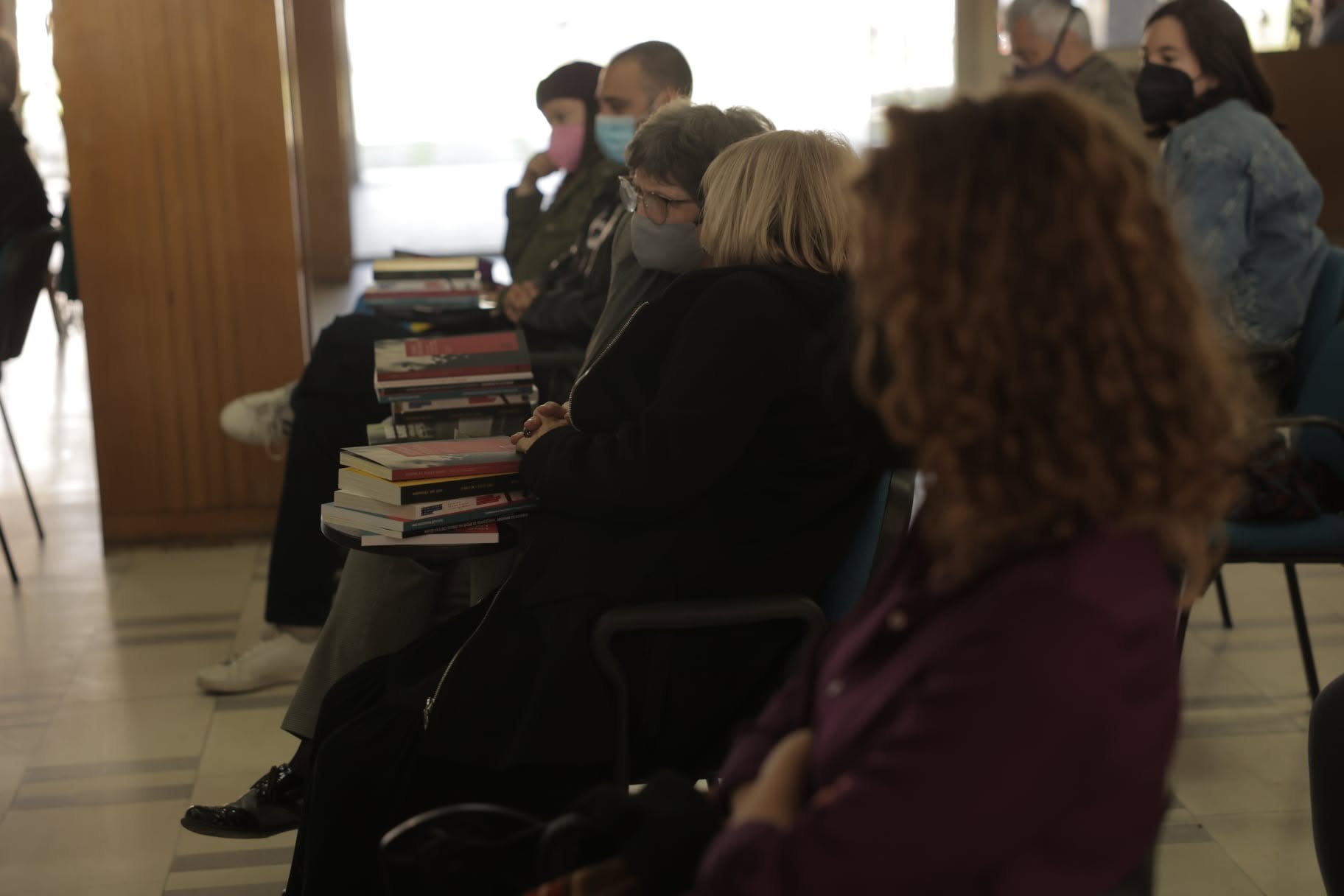
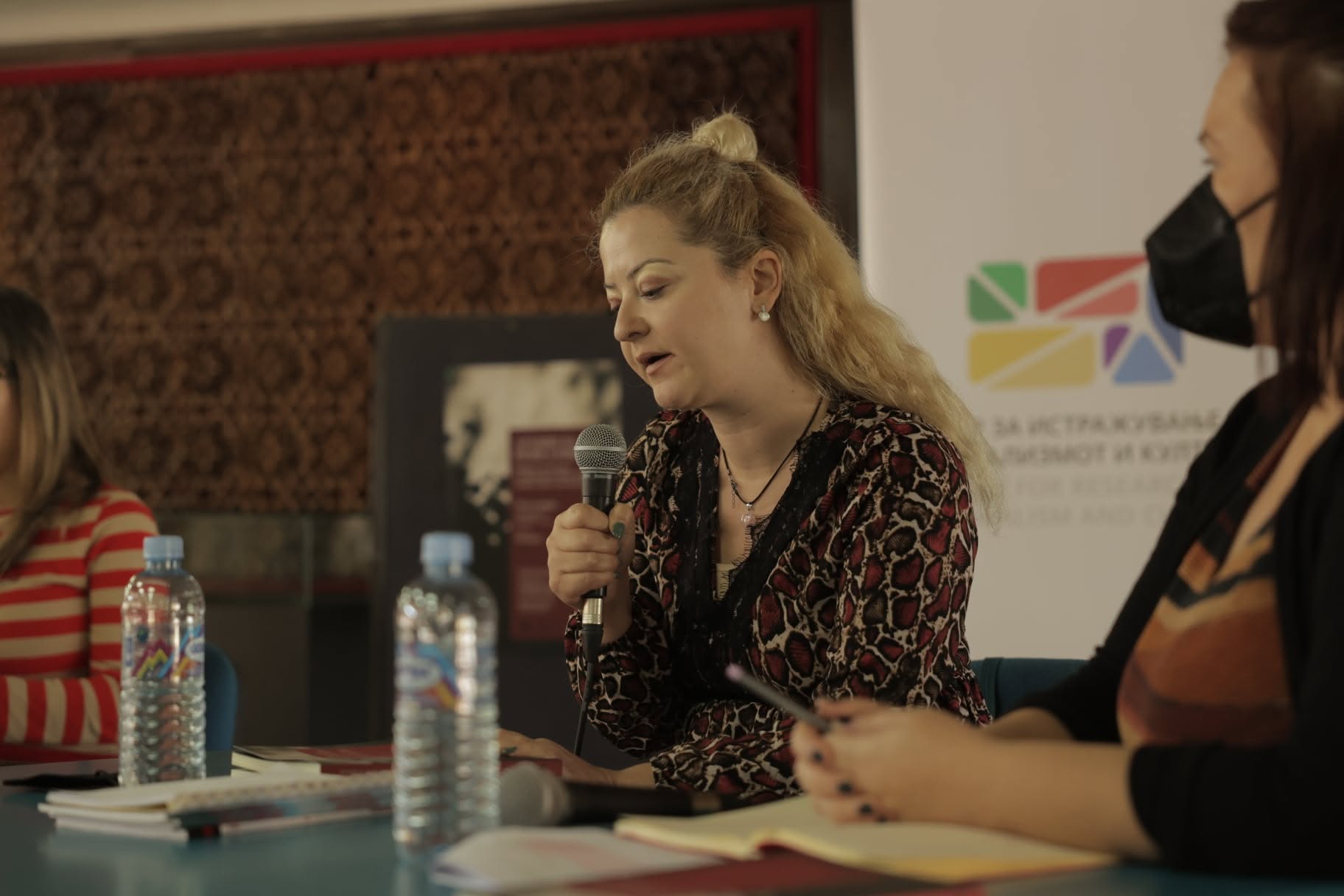
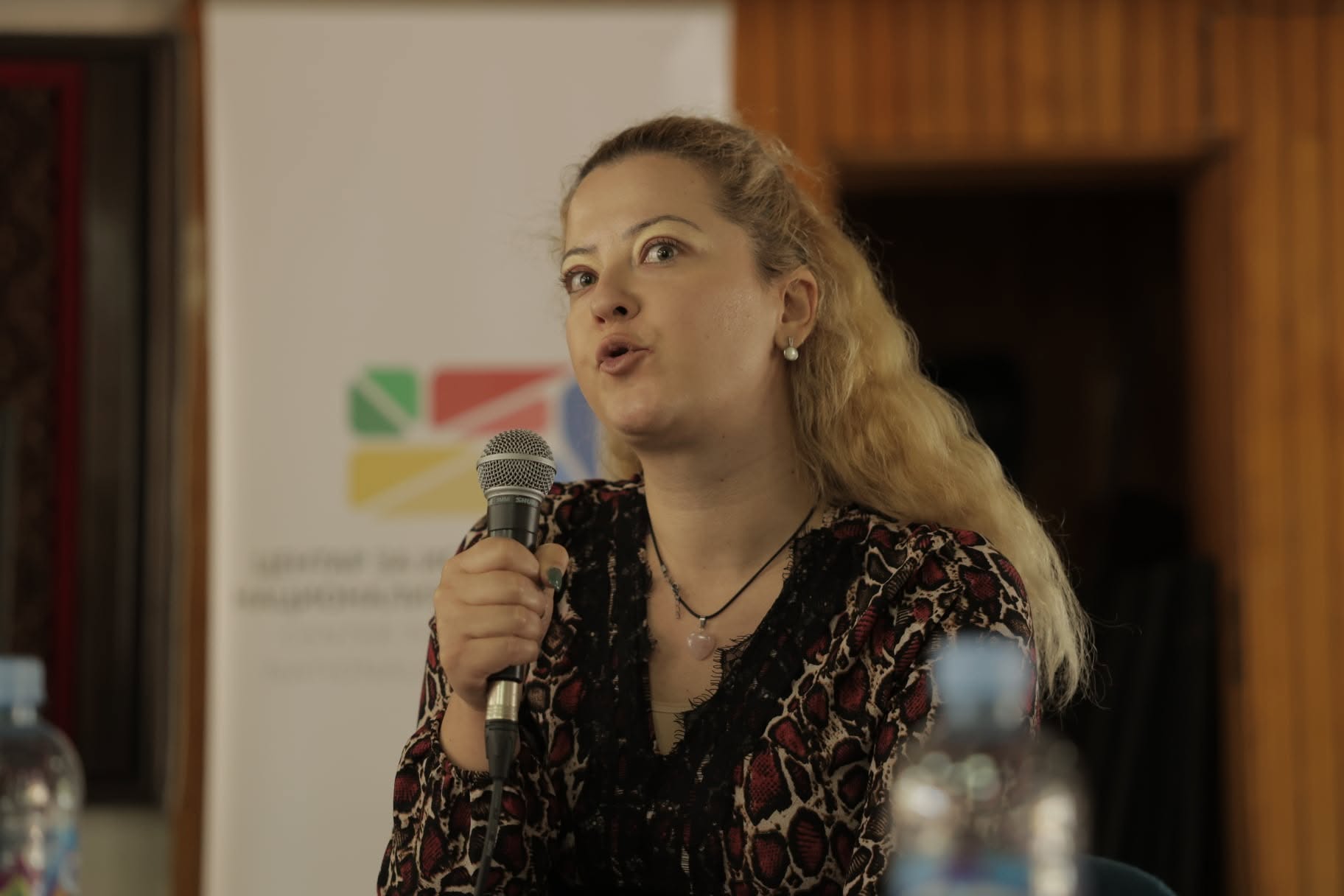
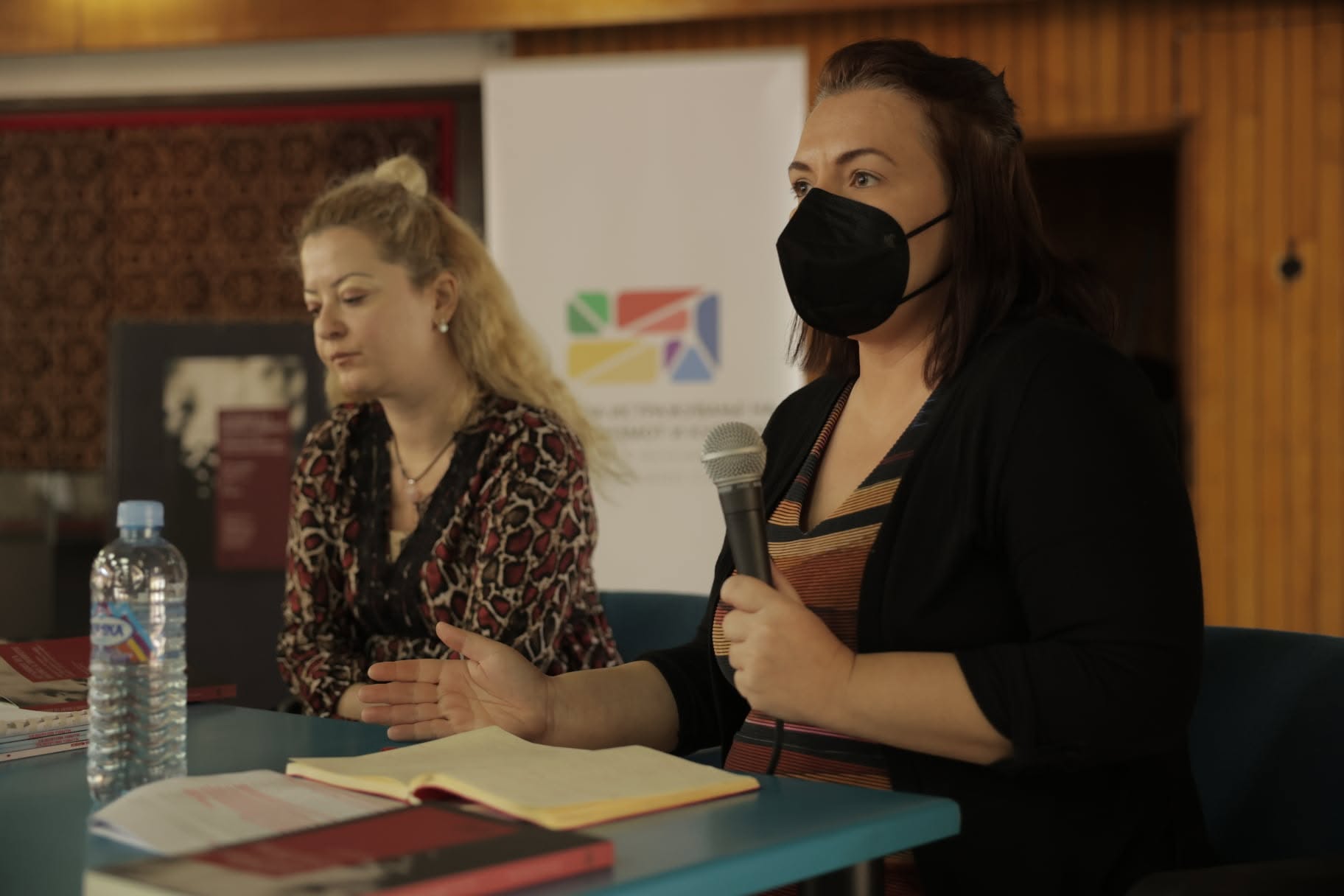
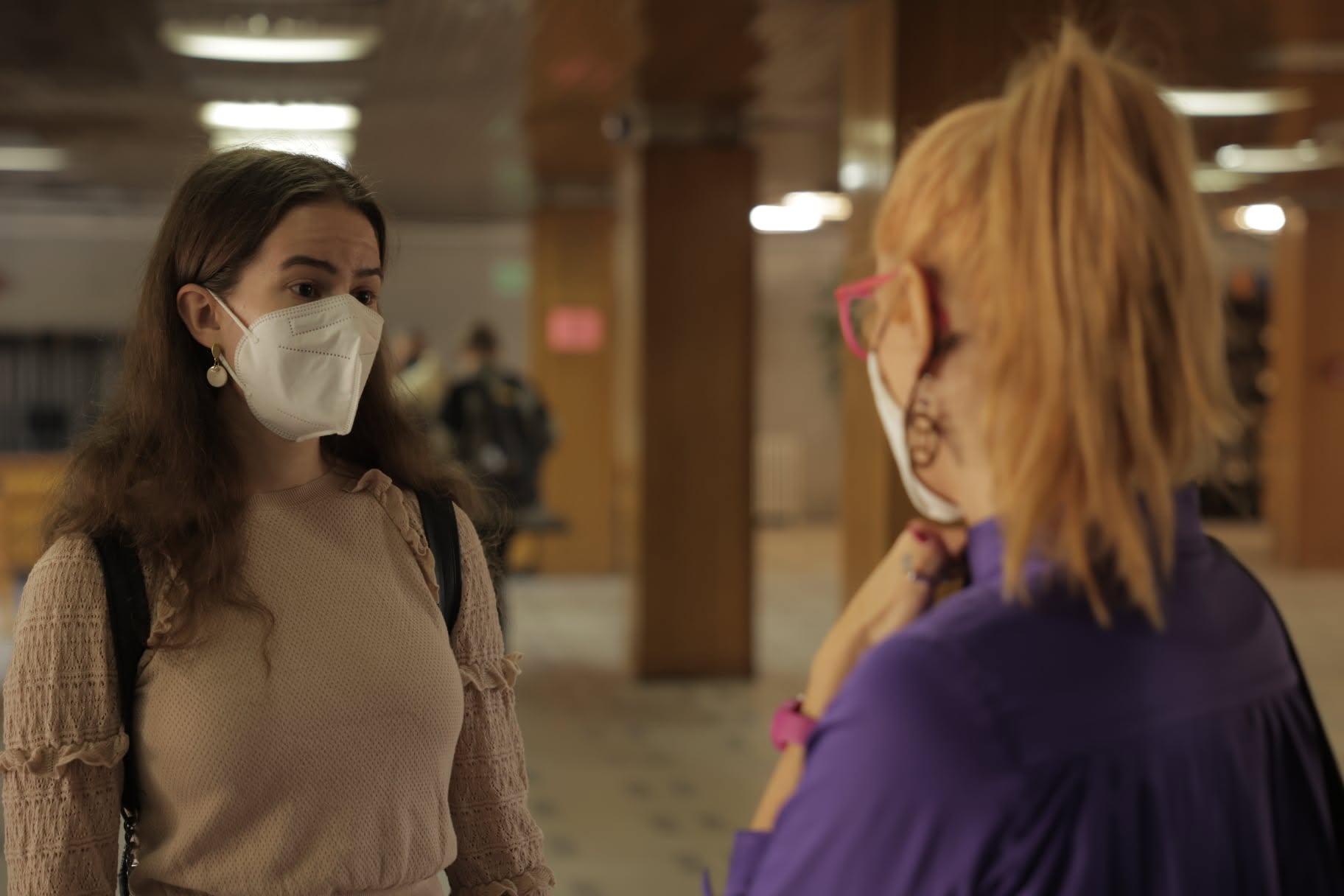
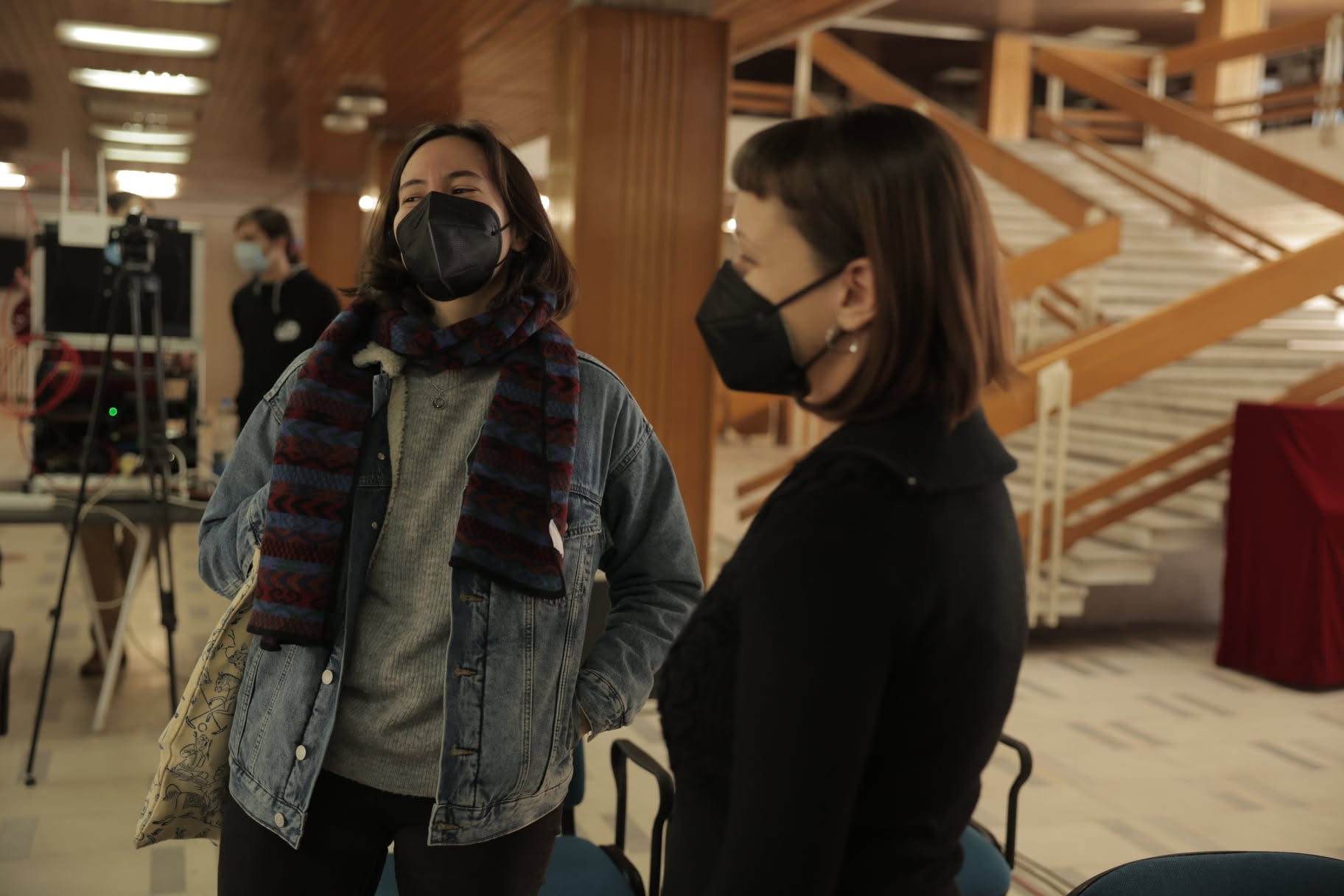
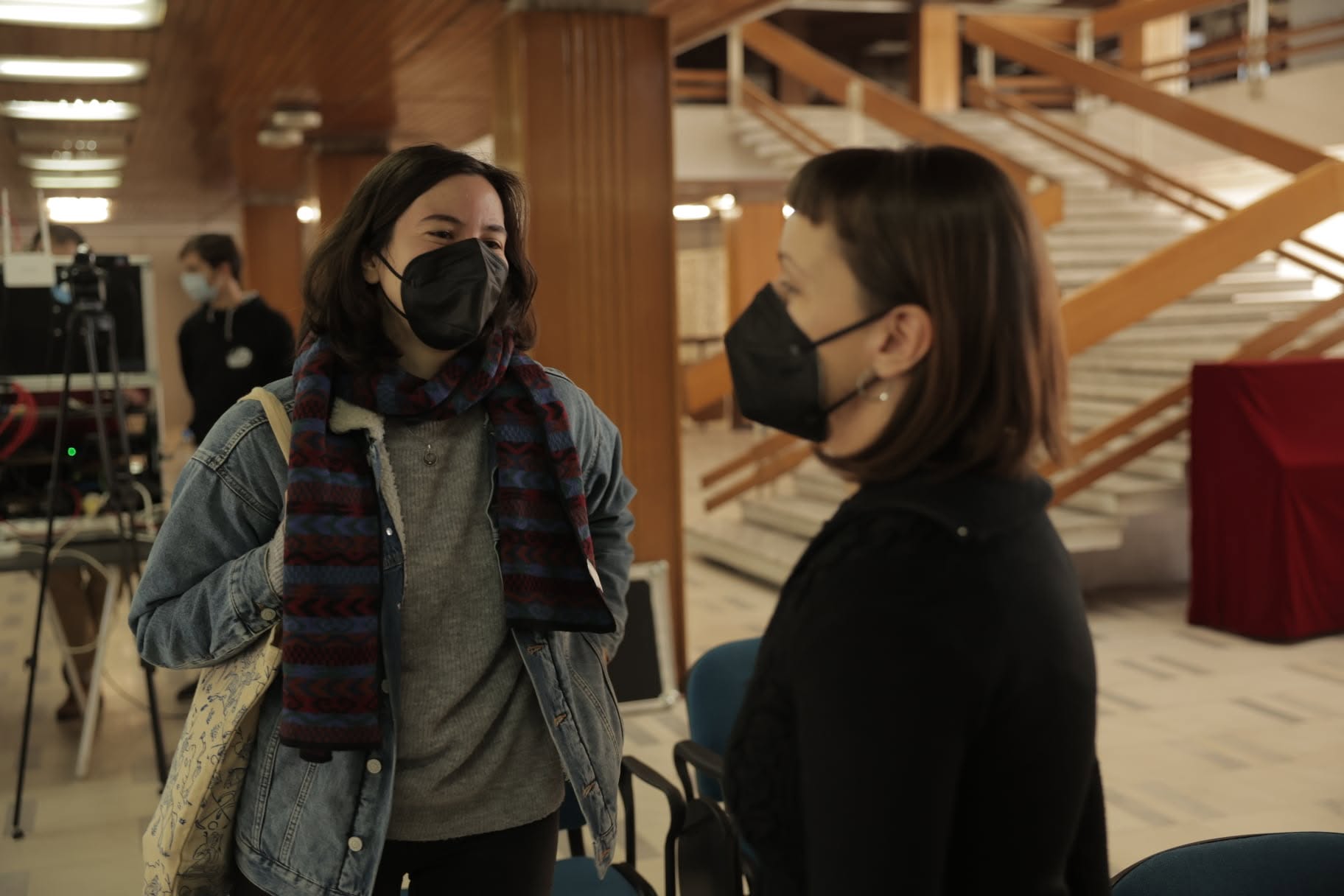
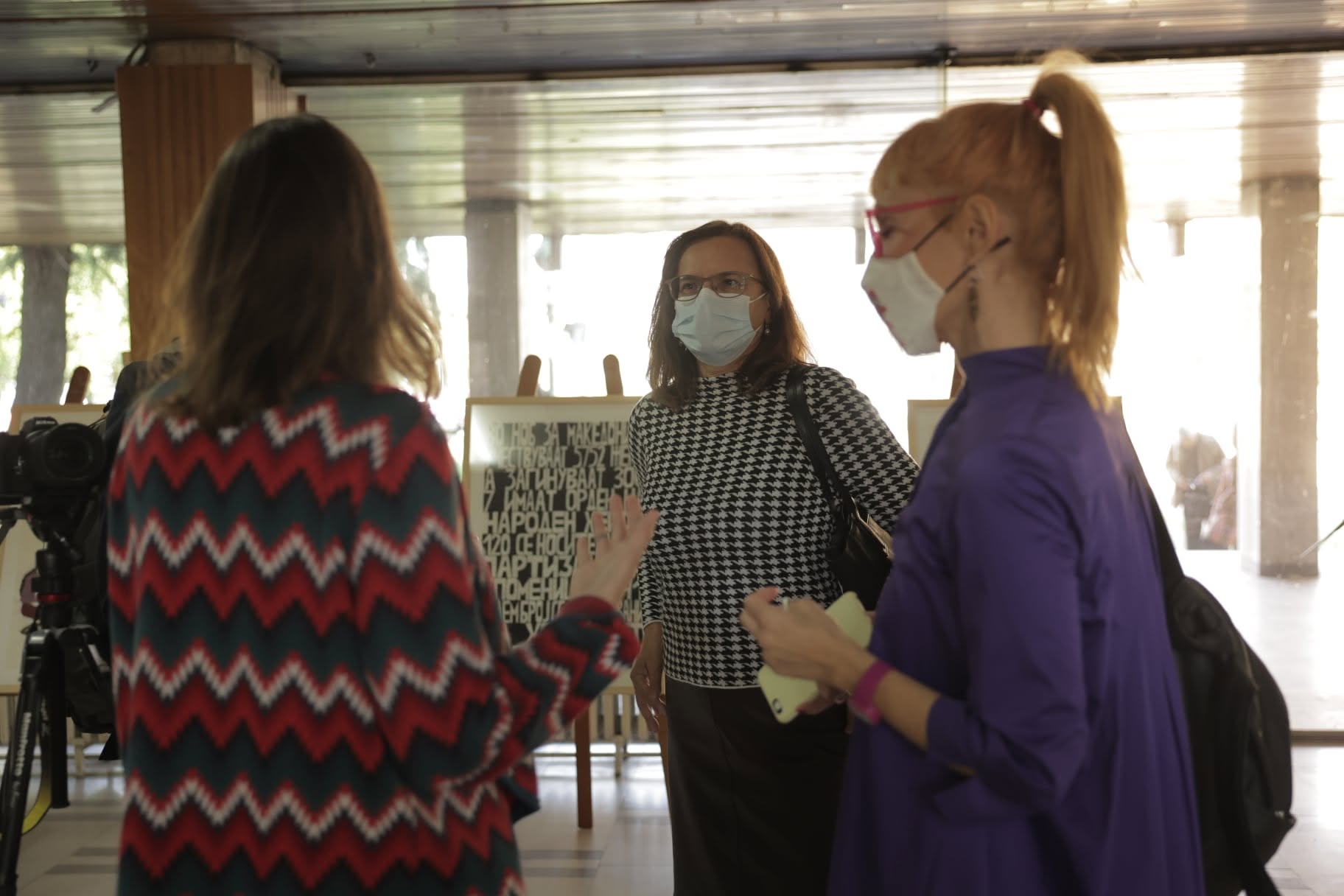
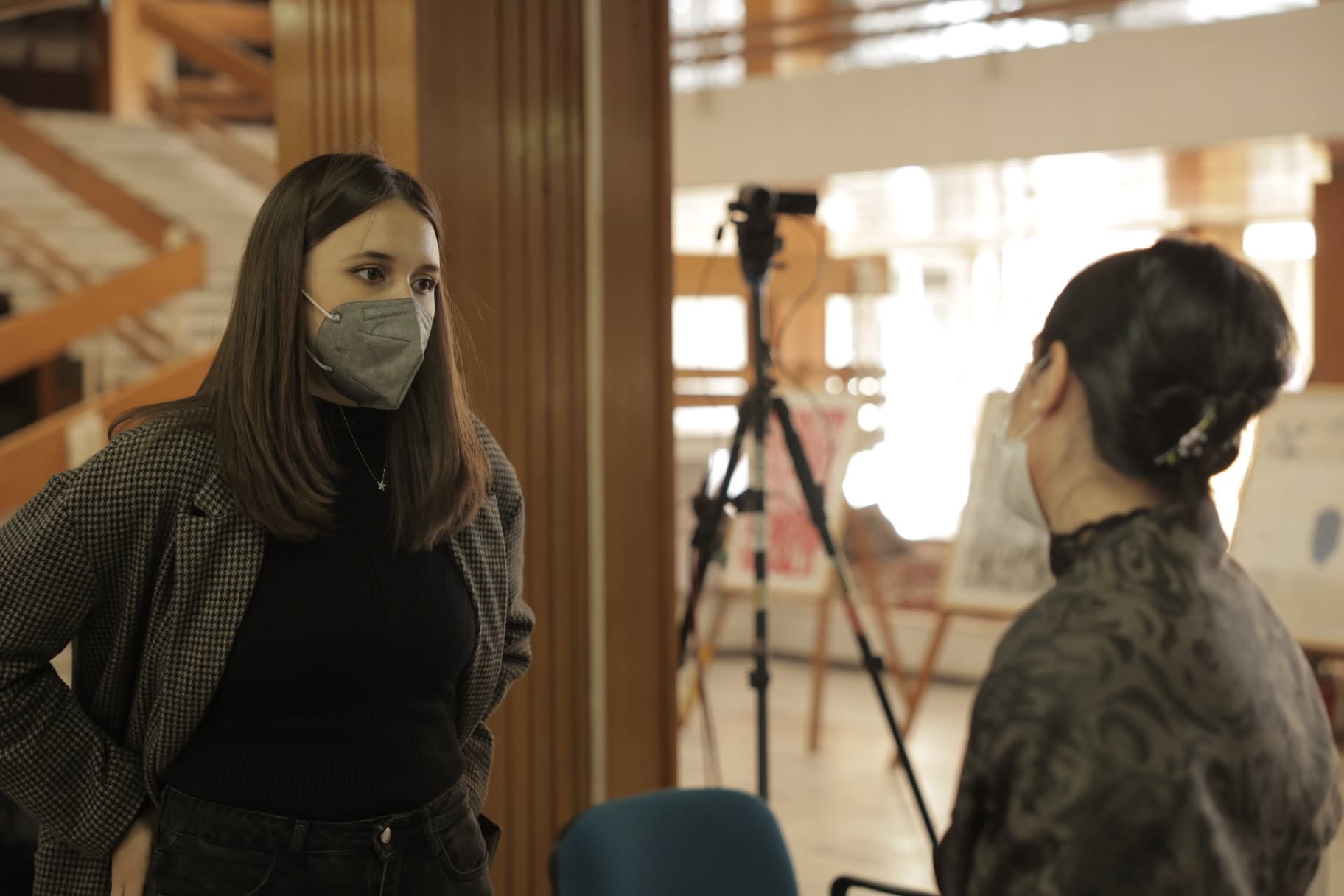
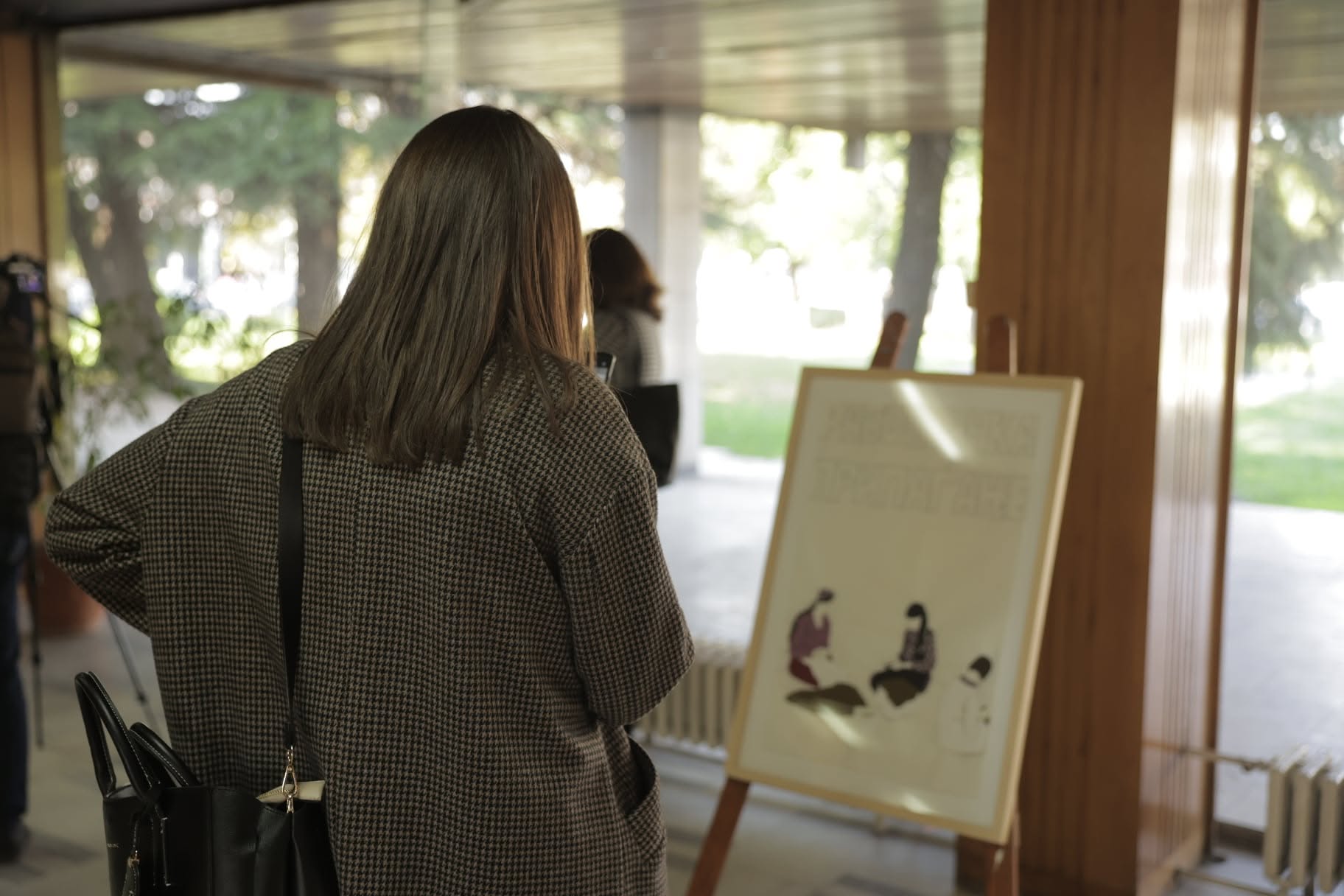
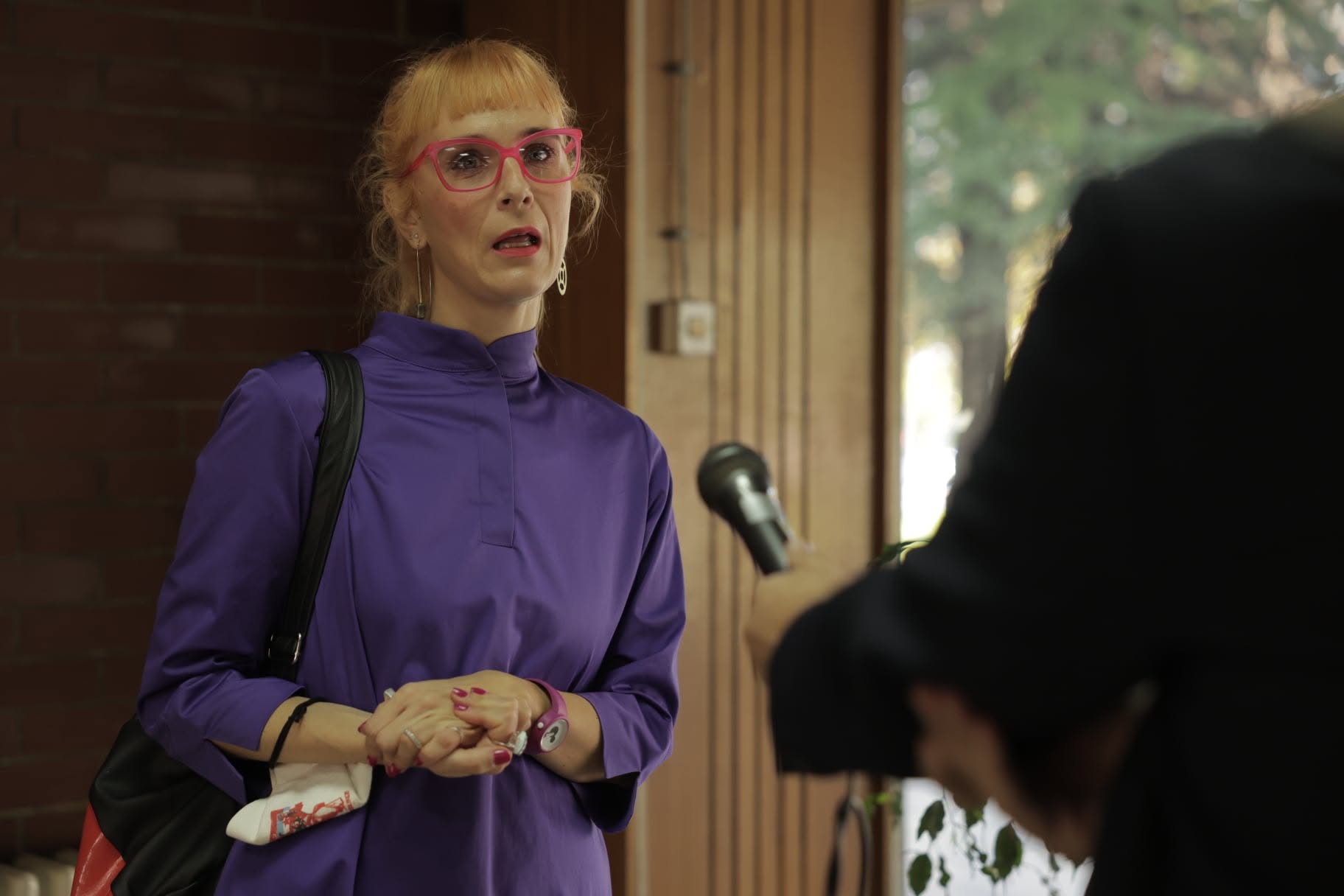
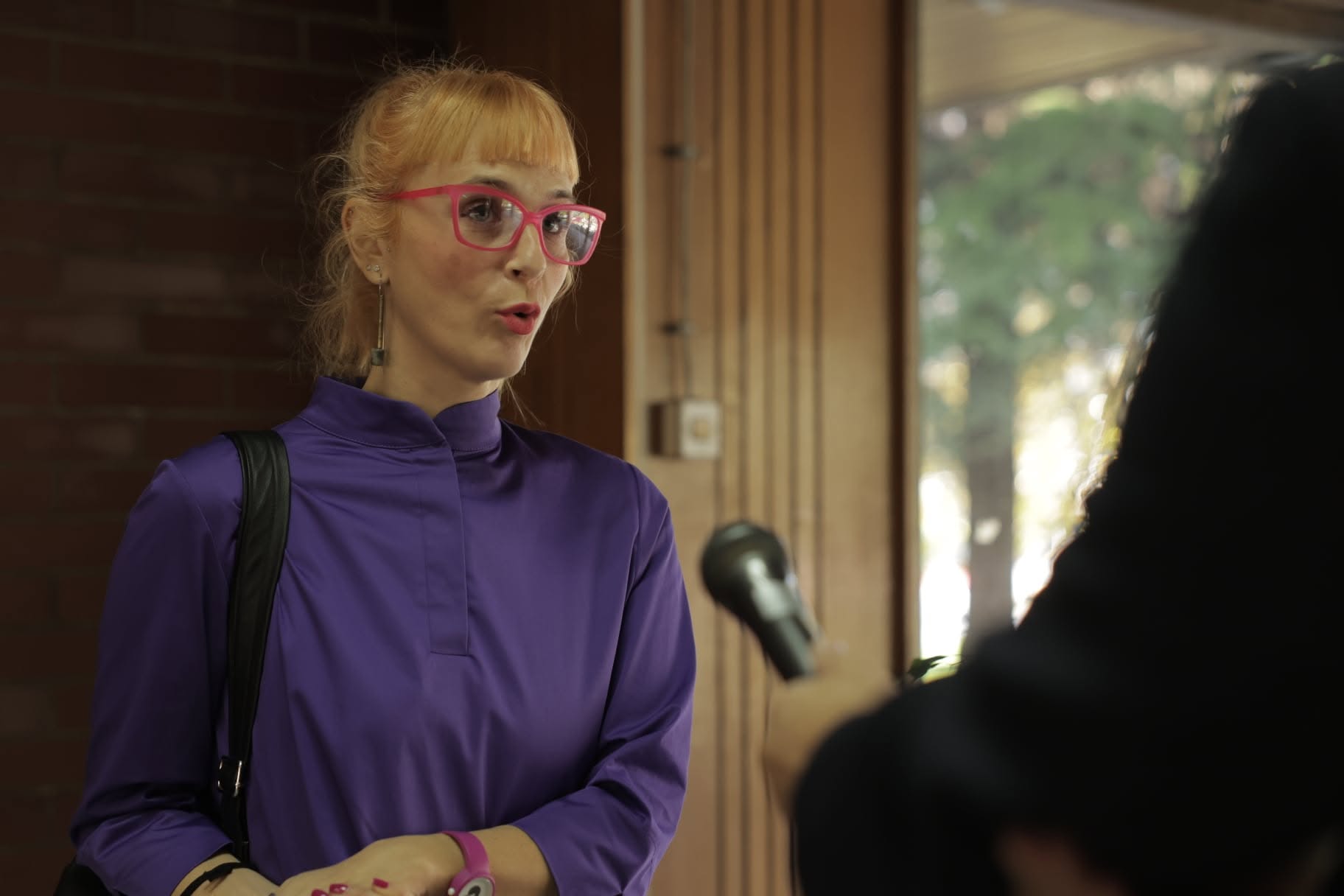
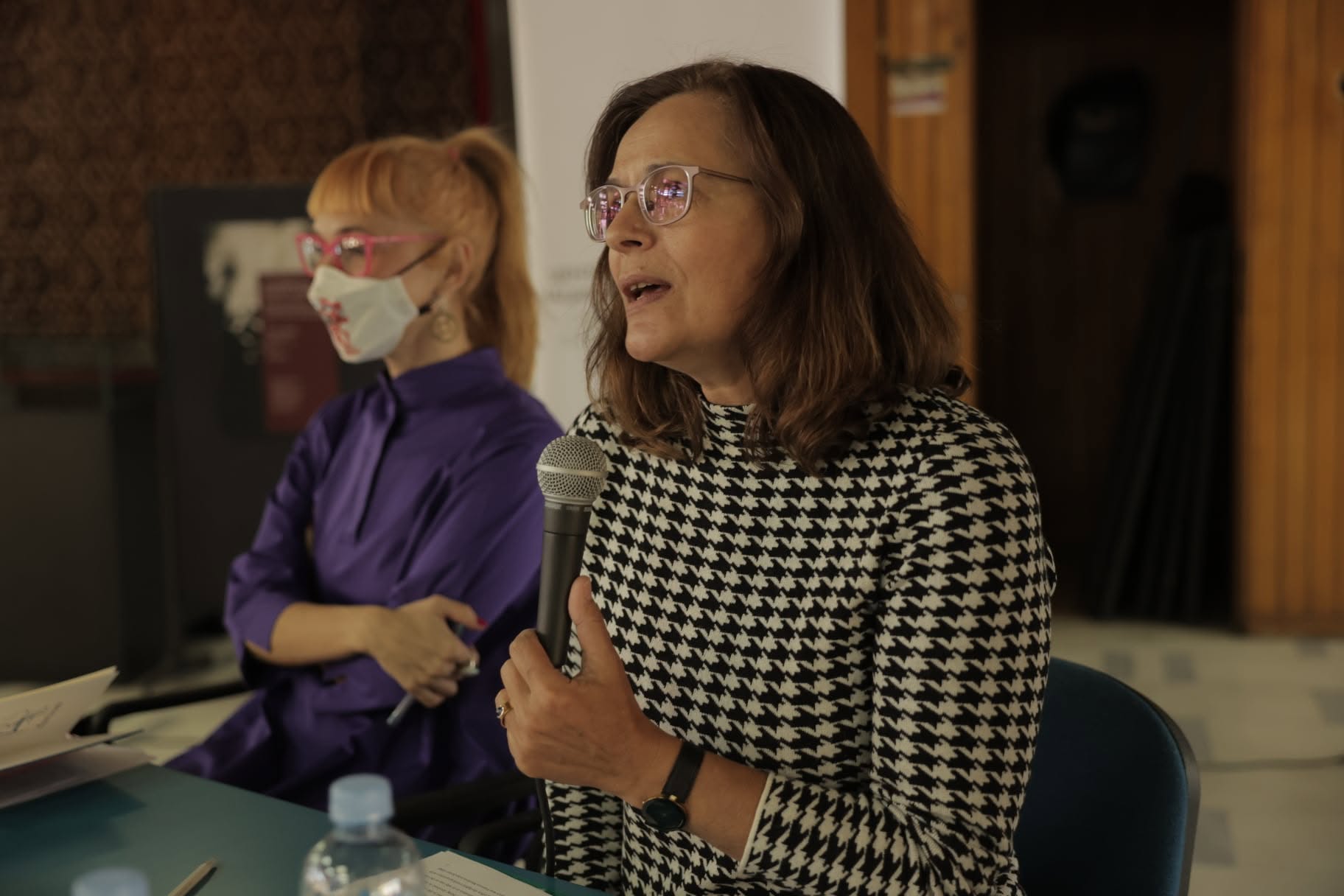
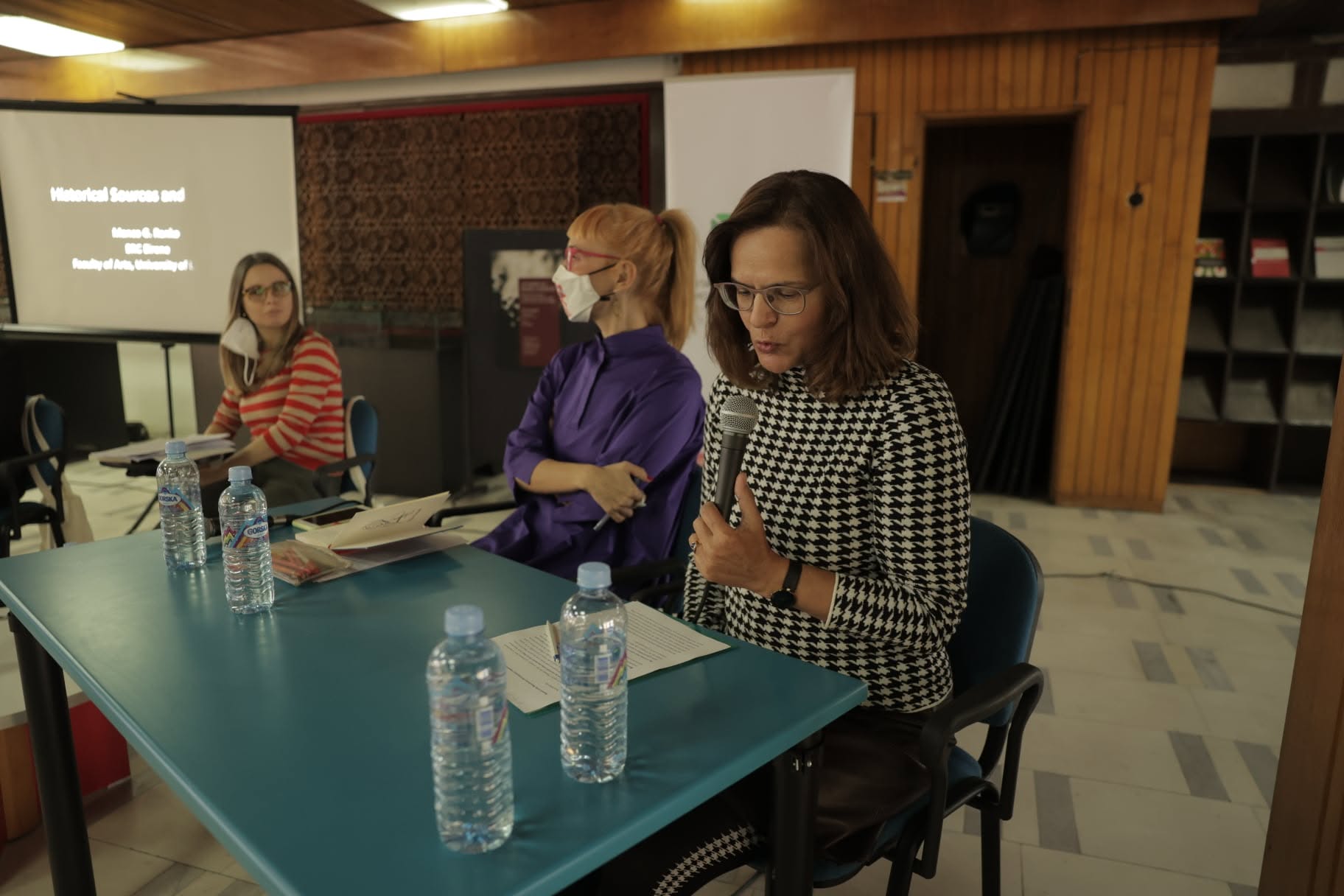
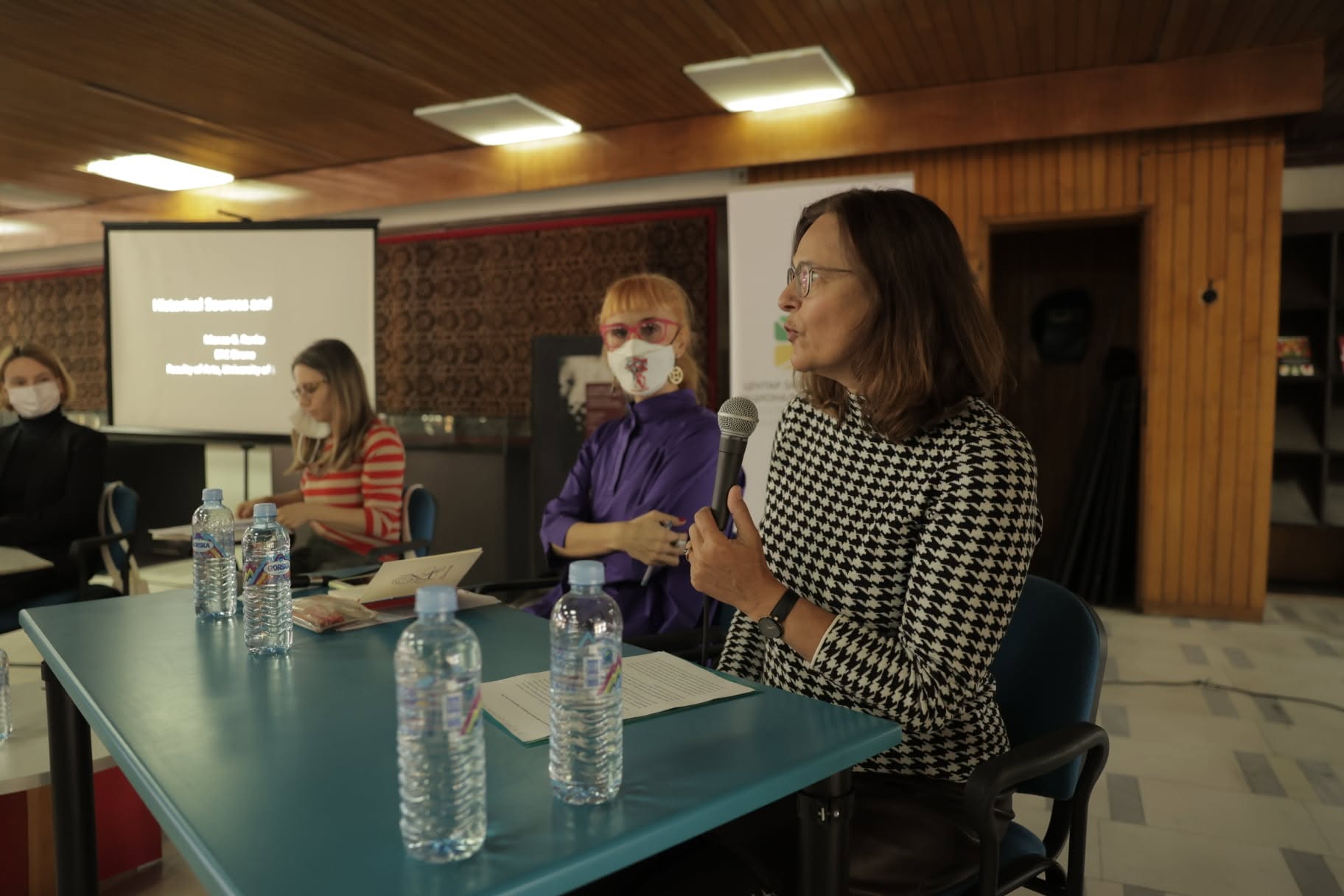
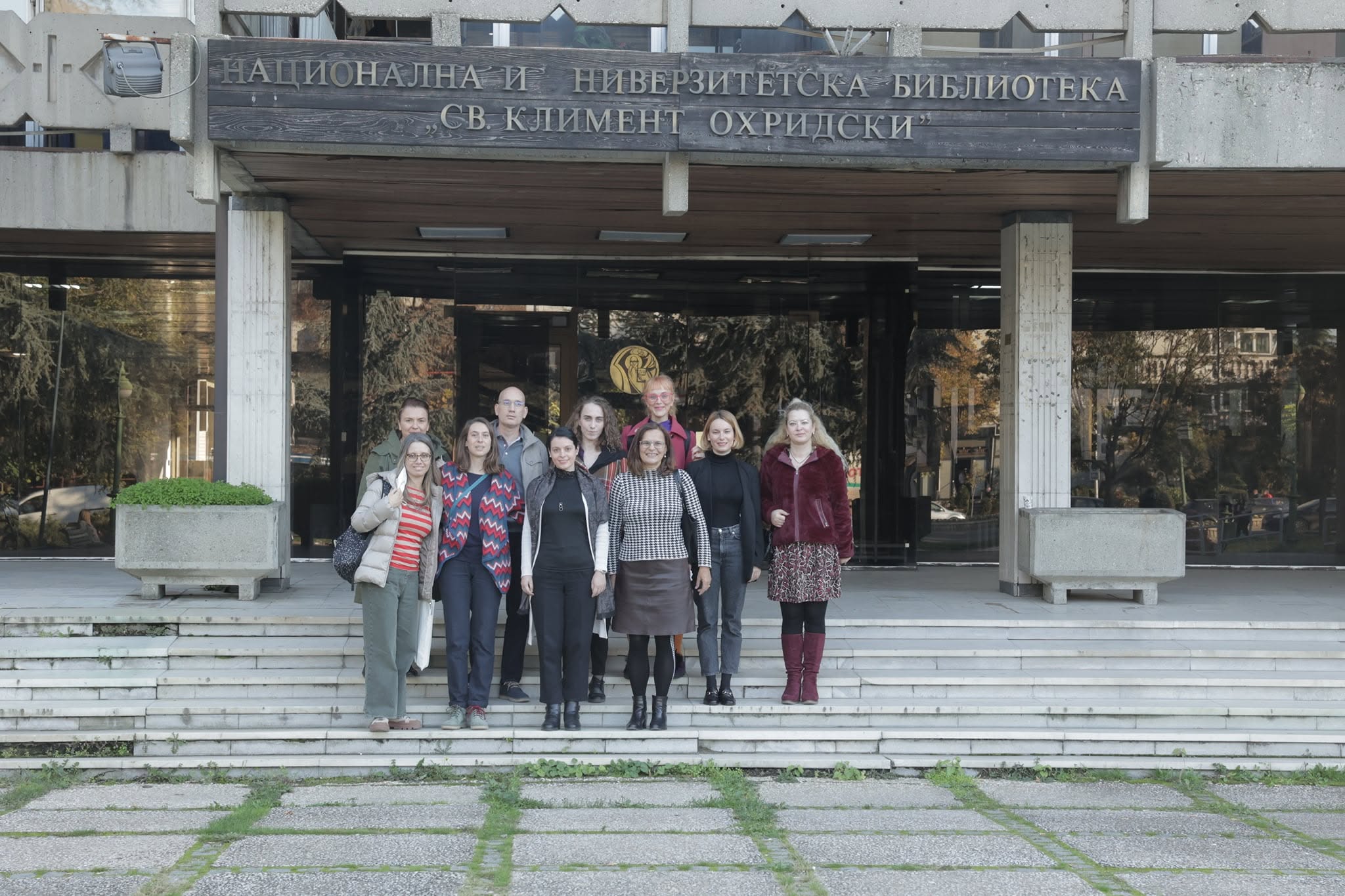
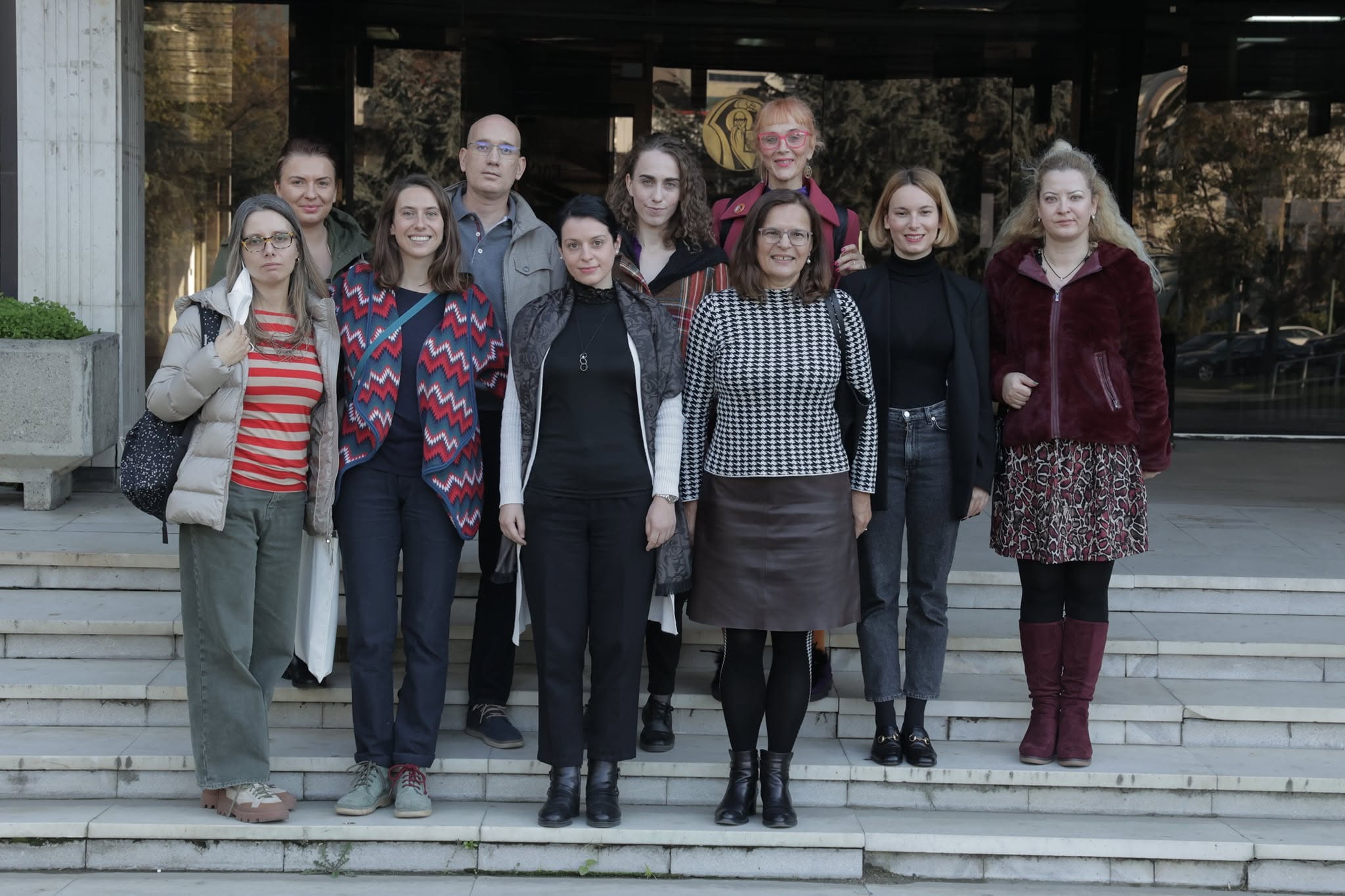
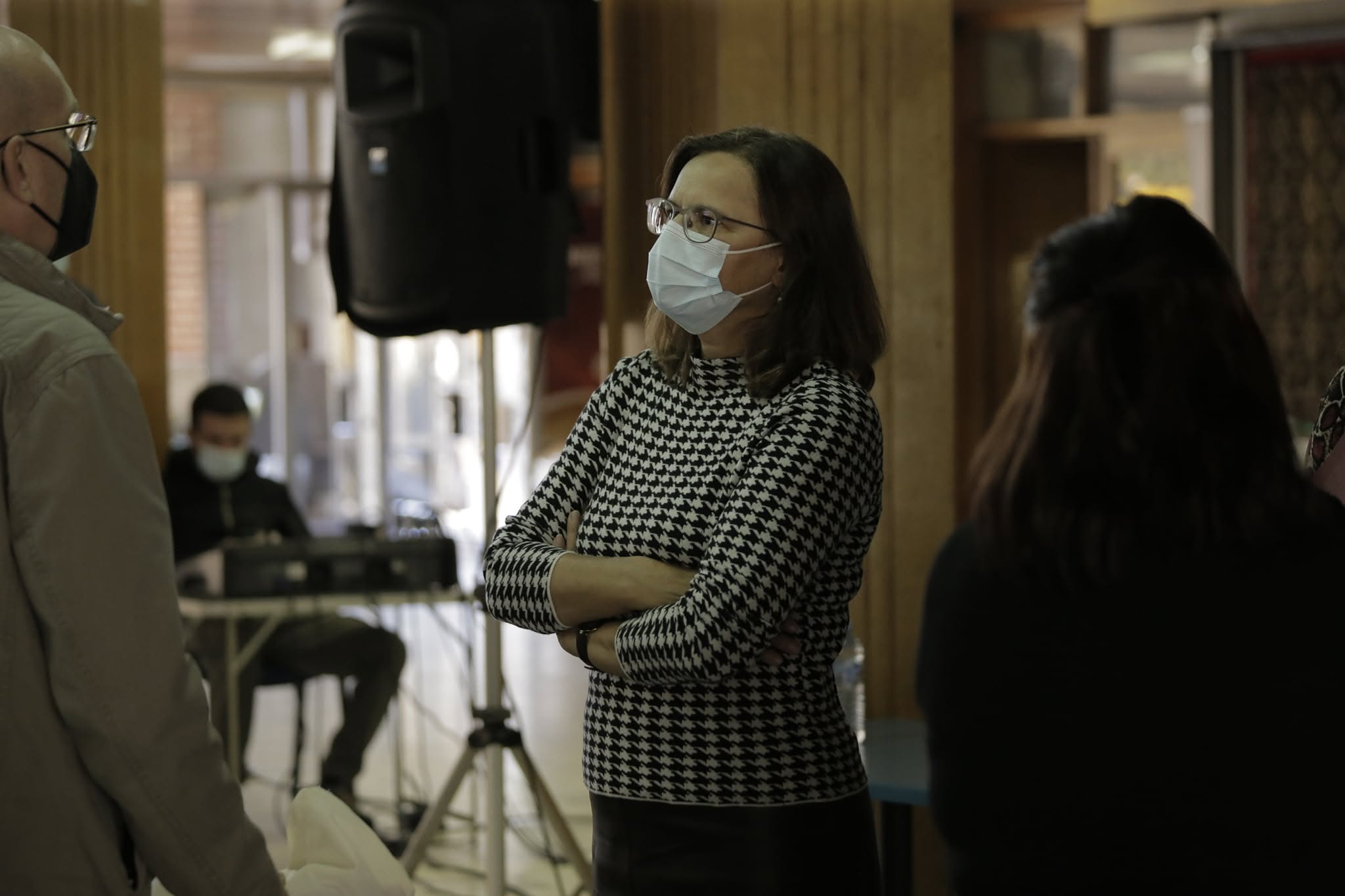
On 29 October 2021, at the National and University Library “St. Clement of Ohrid” – Skopje, the Center for Research of Nationalism and Culture (CINIK) held an event featuring several interconnected programmes: a publication launch, a conference, and an exhibition, all focusing on women in history and the historiography of women during the interwar period.
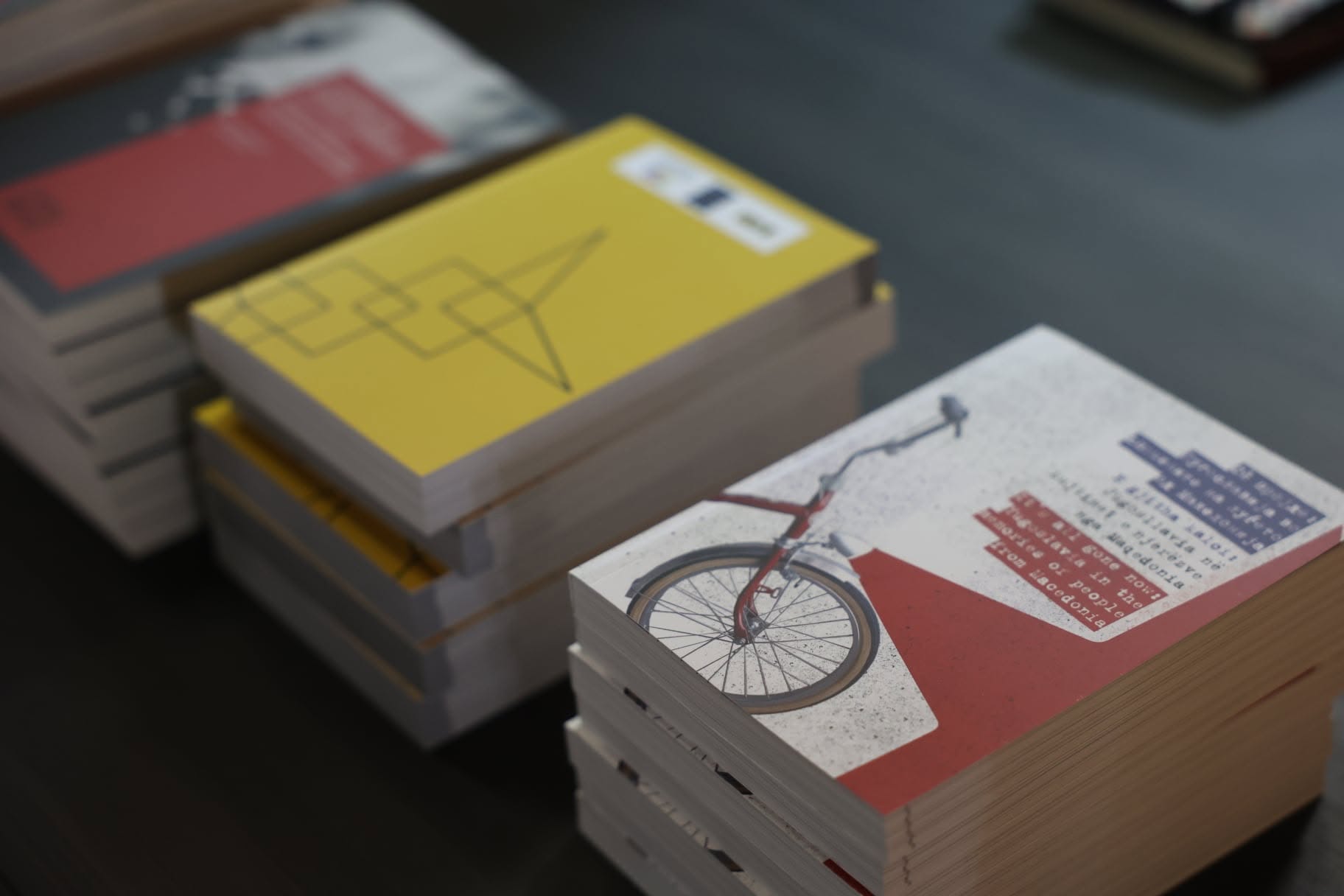
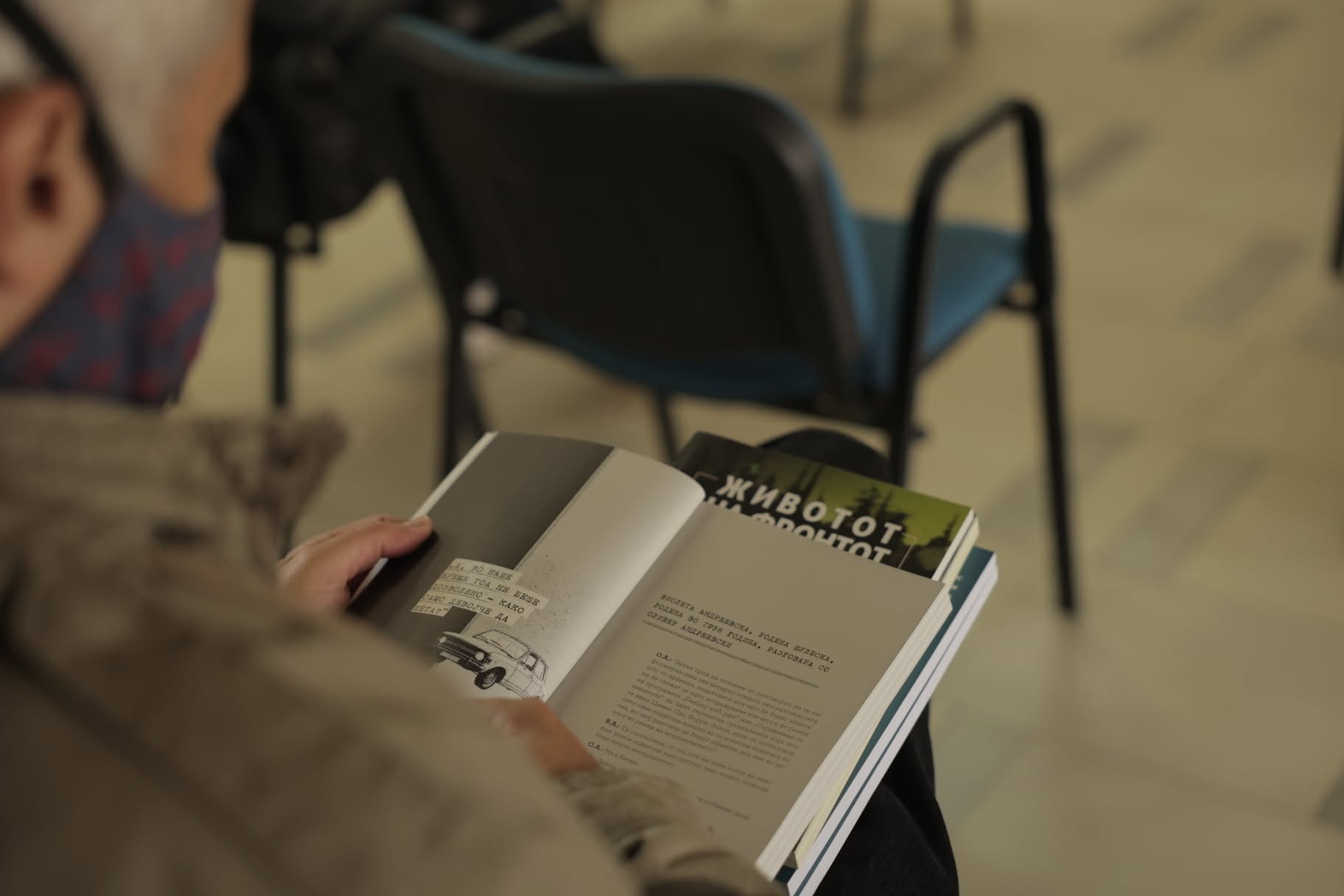
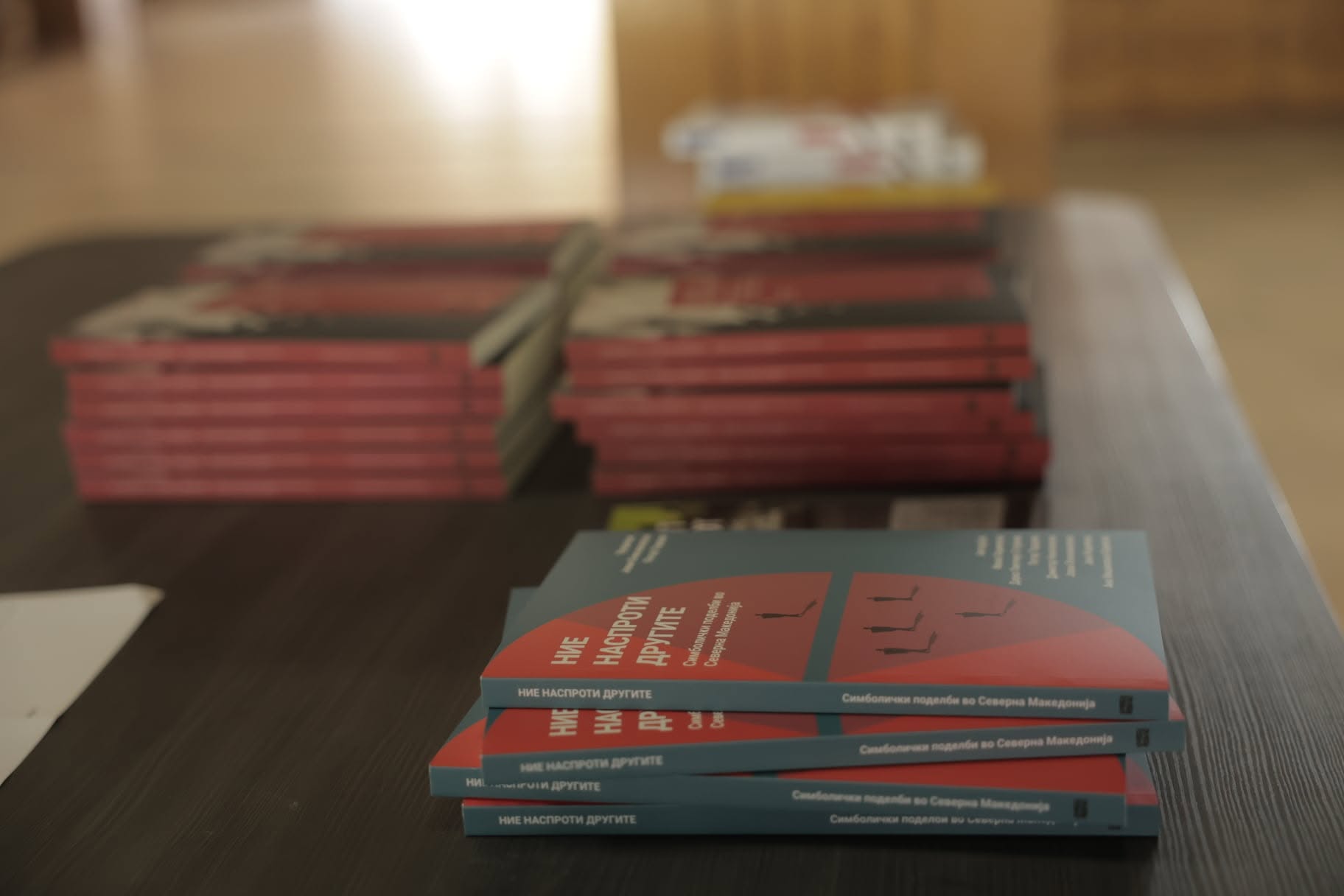
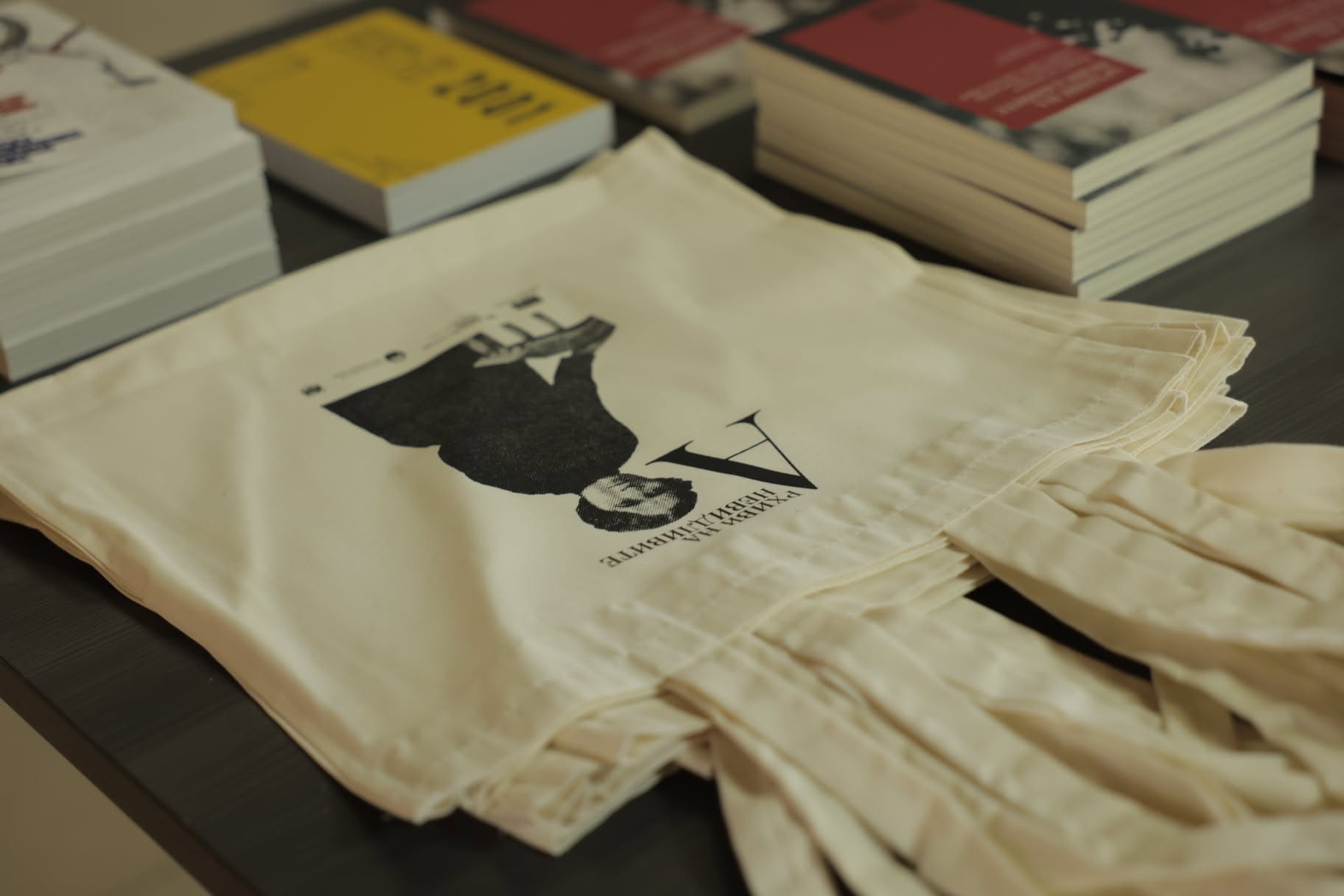
The event began with the launch of the publication Archives of the Invisible: Women in the Press of Vardar Macedonia between the Two World Wars, which brings together original contributions and a systematic bibliography documenting the presence and visibility of women in print media during the interwar period. The publication was prepared by a team of eight researchers: Nada Boškovska (academic consultant – foreword), Zdravko Stojkoski (historical context), Ivana Hadžievska (aspects of women’s history in the press under study), Manja Veličkovska and Frosina Kruškarovska (literary aspects), Marina Mijakovska (bibliography compiler), Jana Kocevska (compiler of the index of women’s names), and Biljana Kotevska (guidelines and recommendations for cross-institutional policies). The publication was edited by Ivana Hadžievska and Jana Kocevska from CINIK – Skopje.
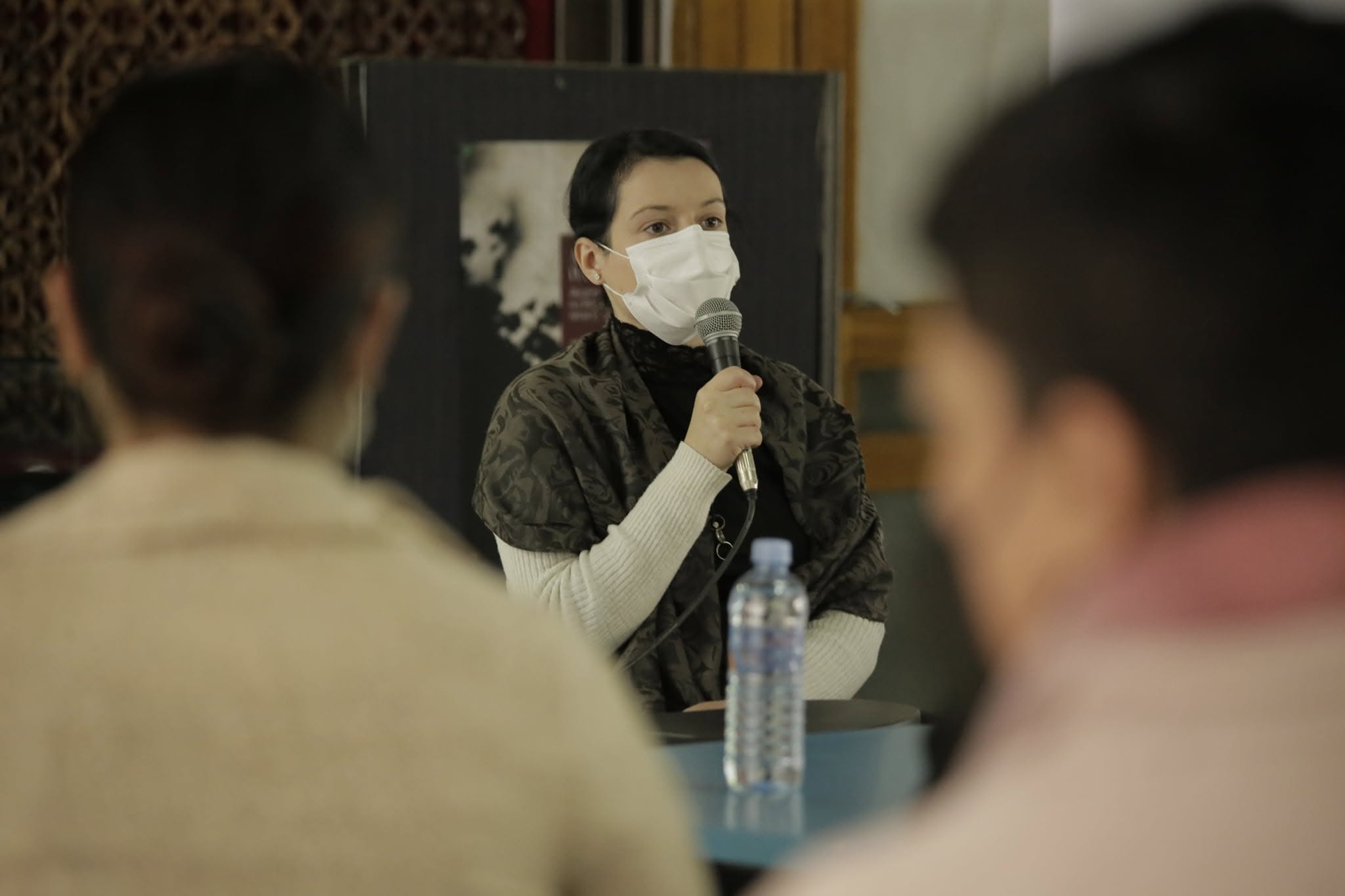
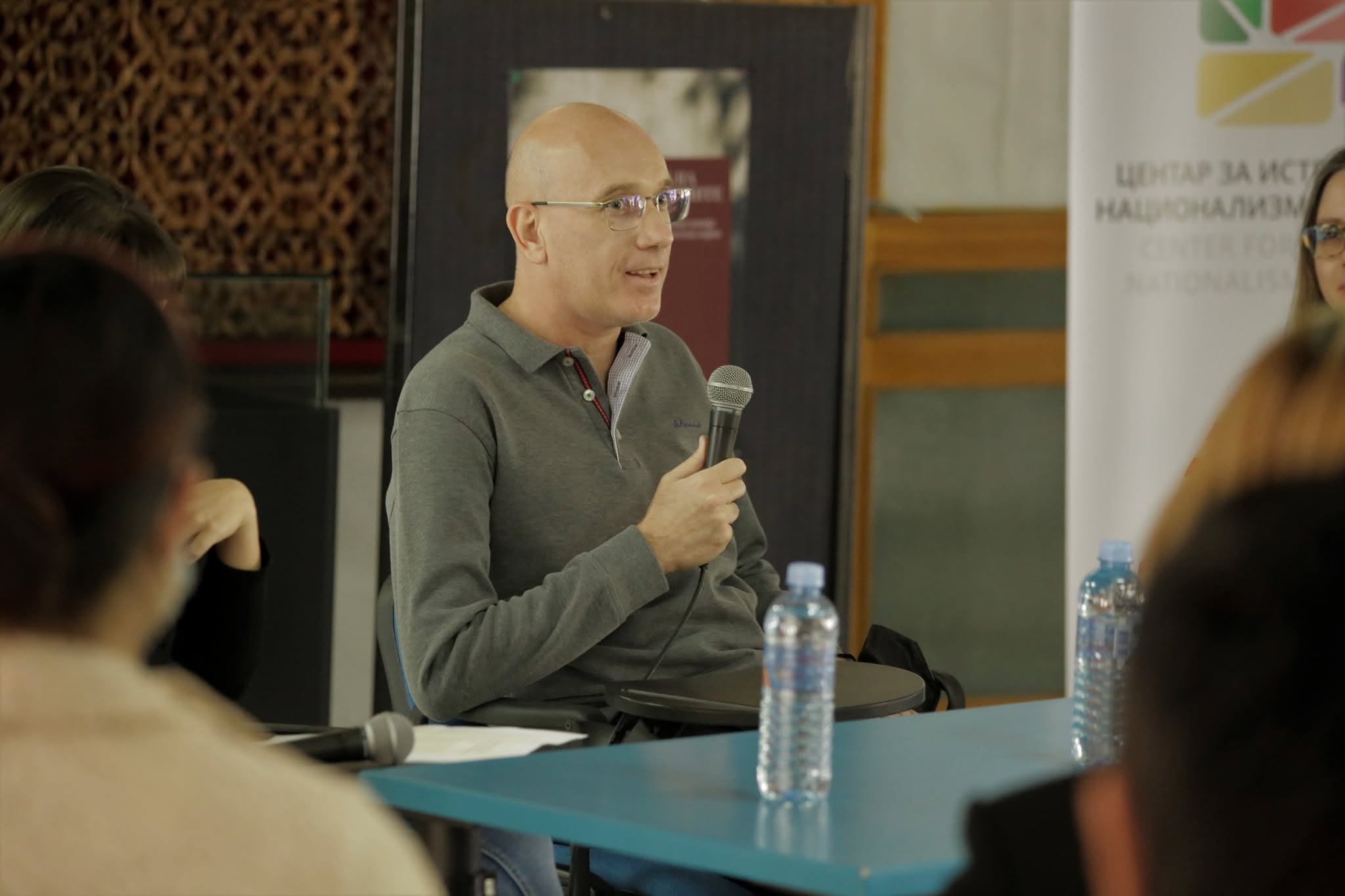
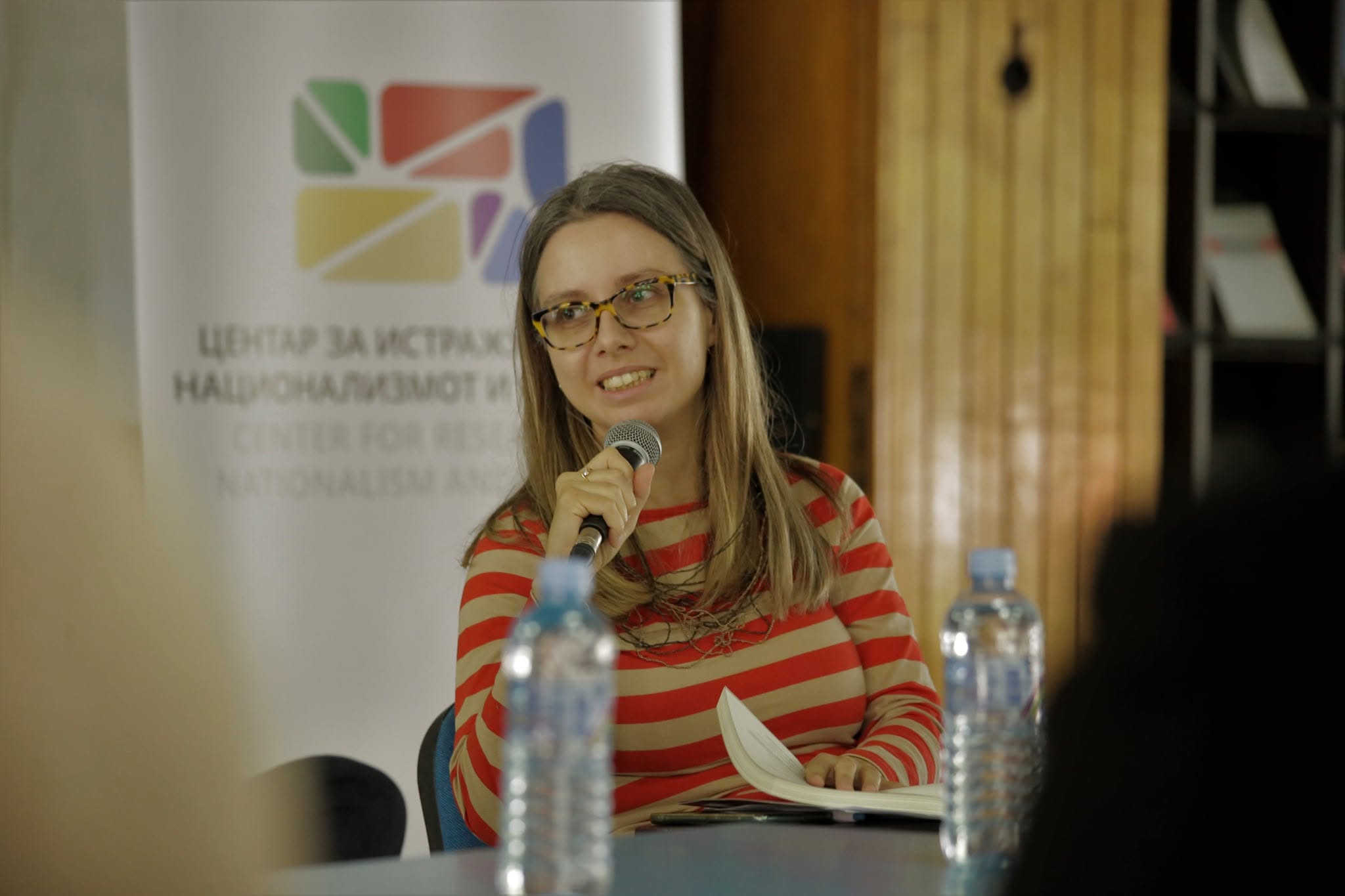
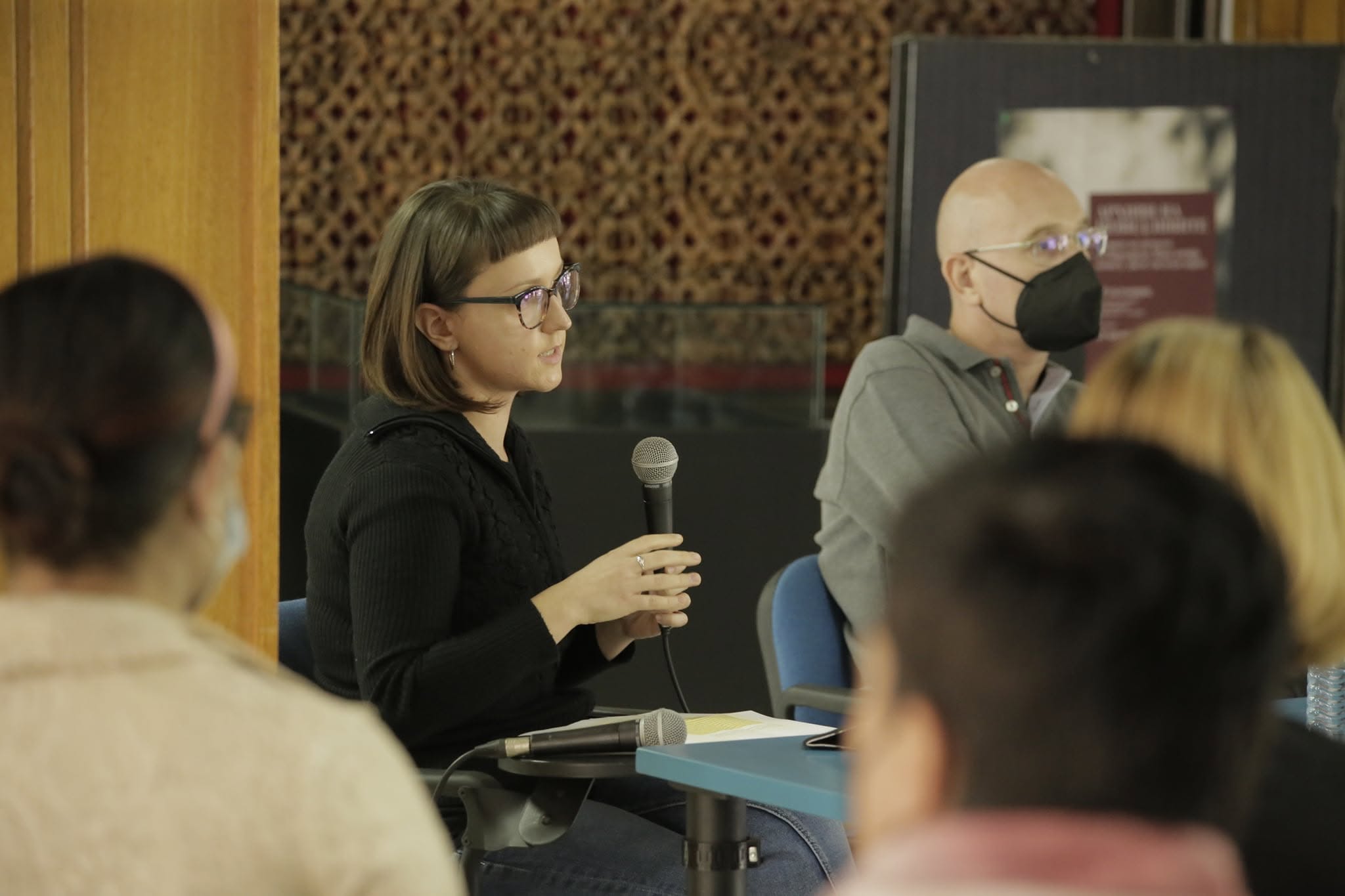
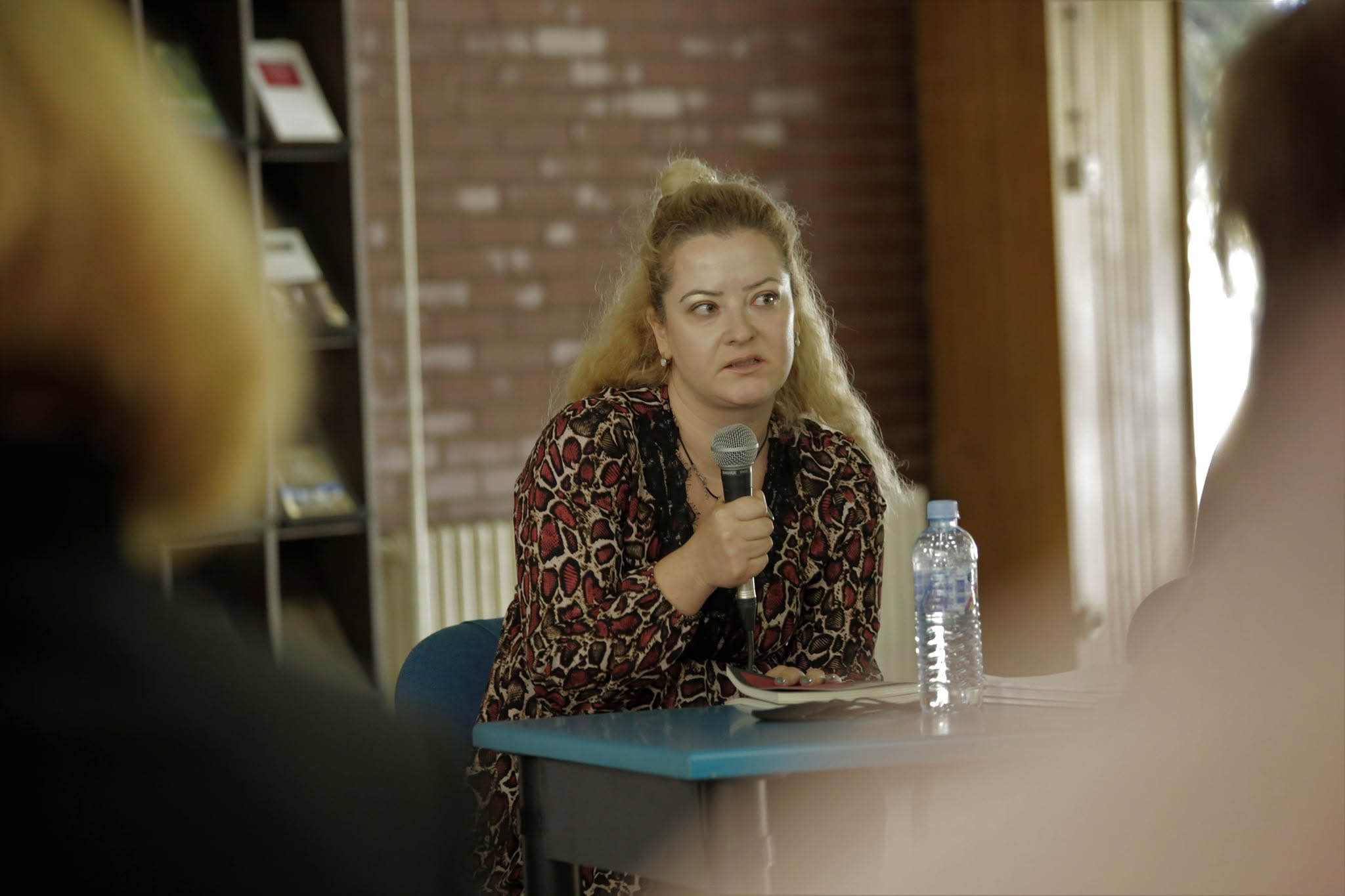
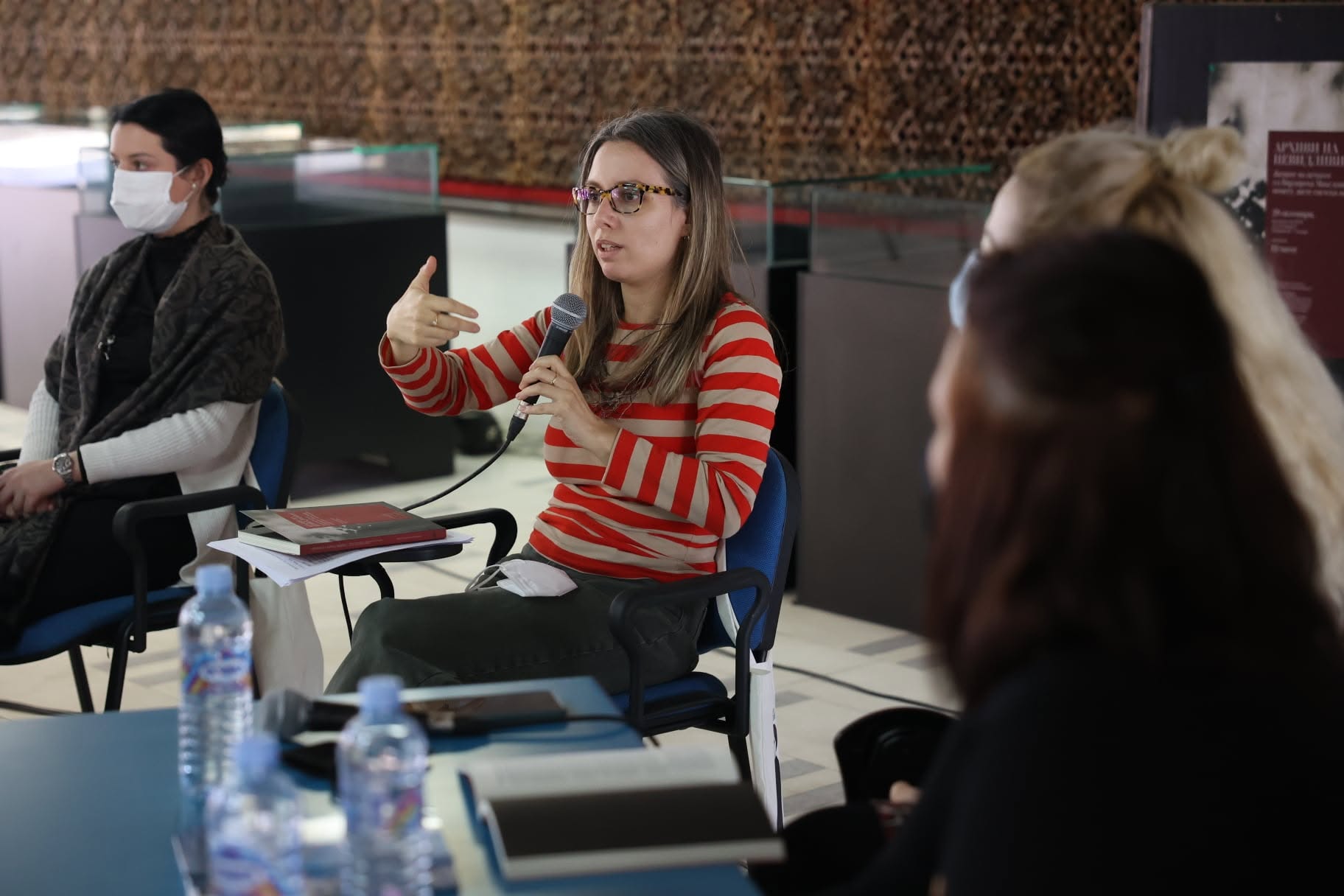
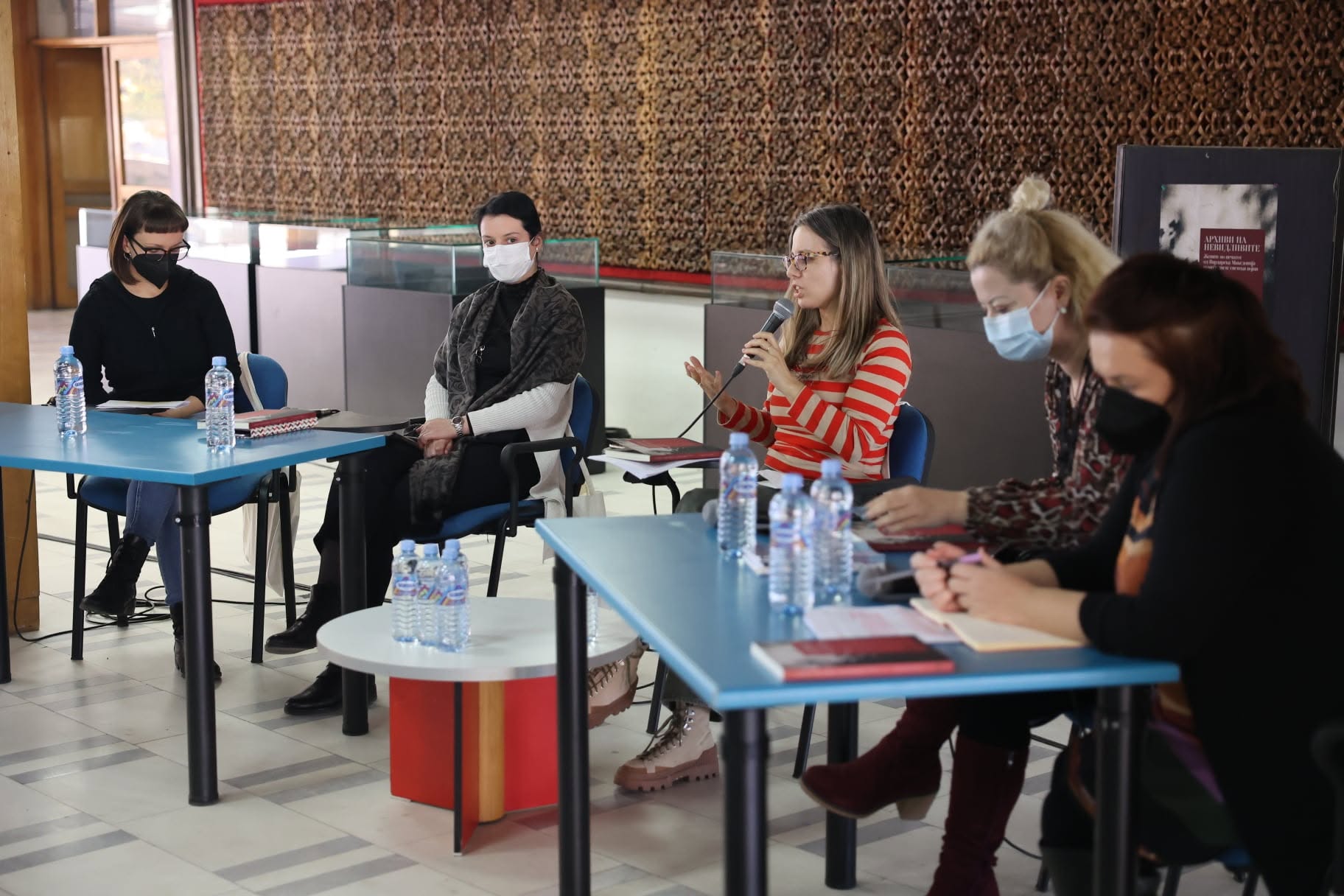
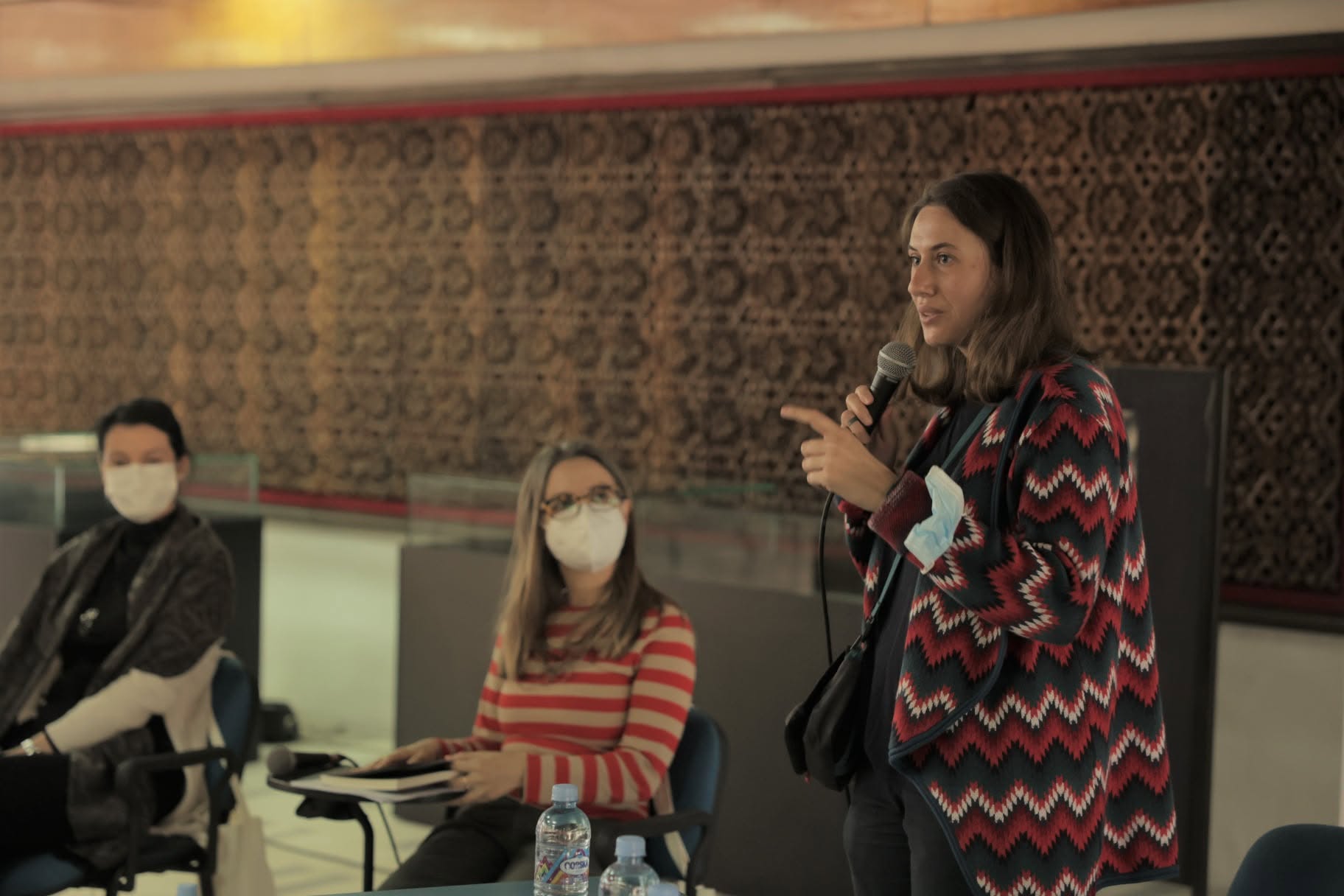
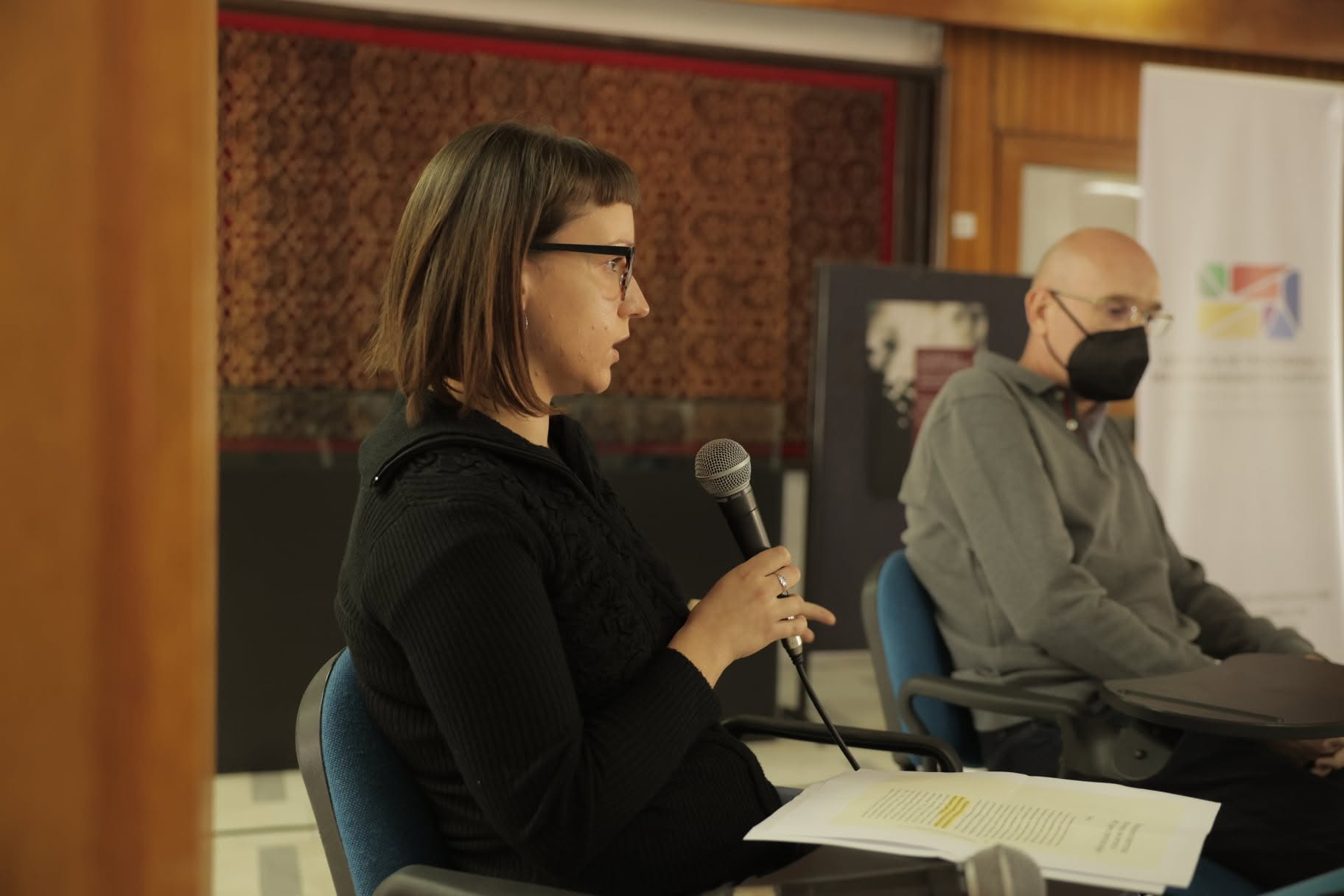
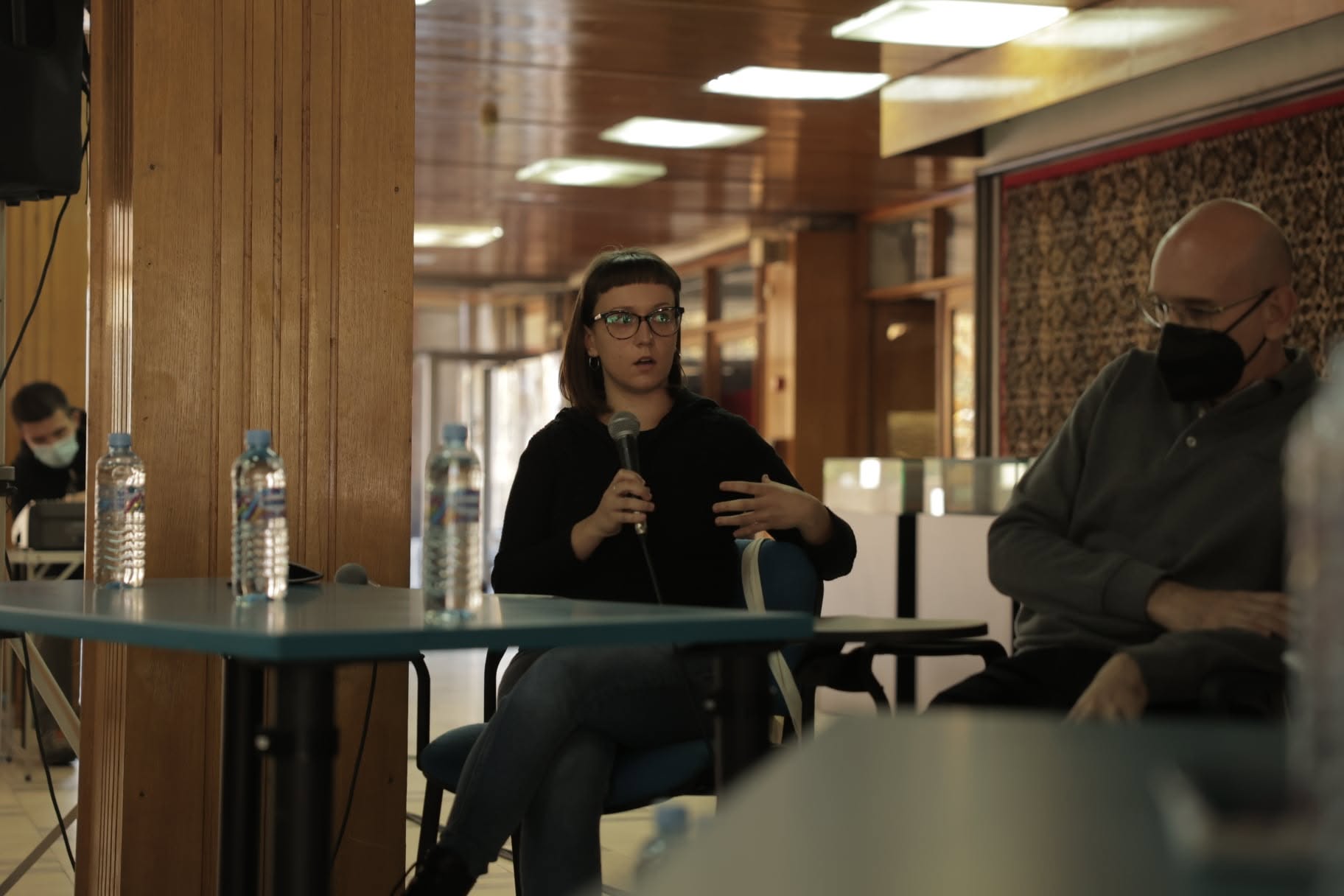
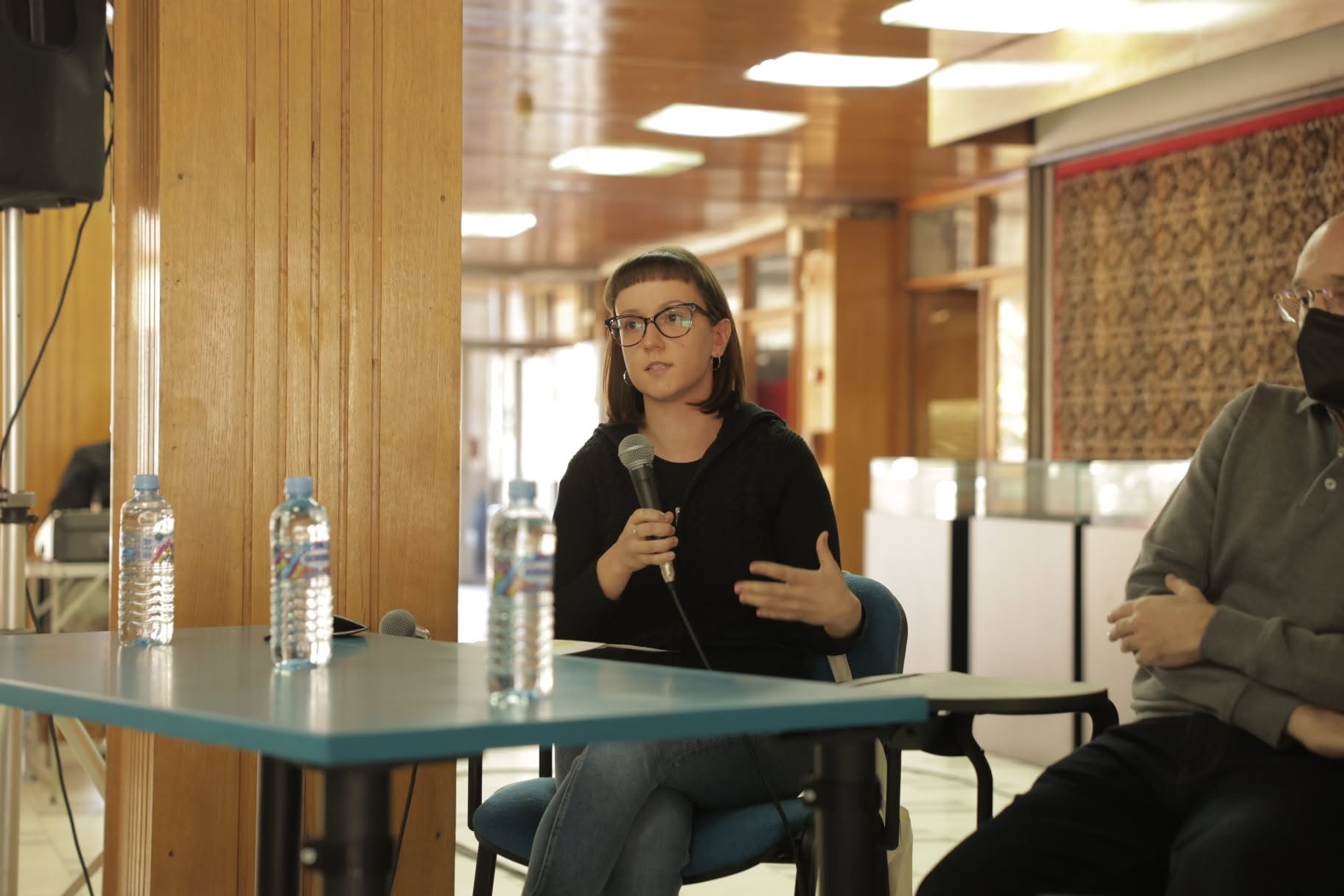
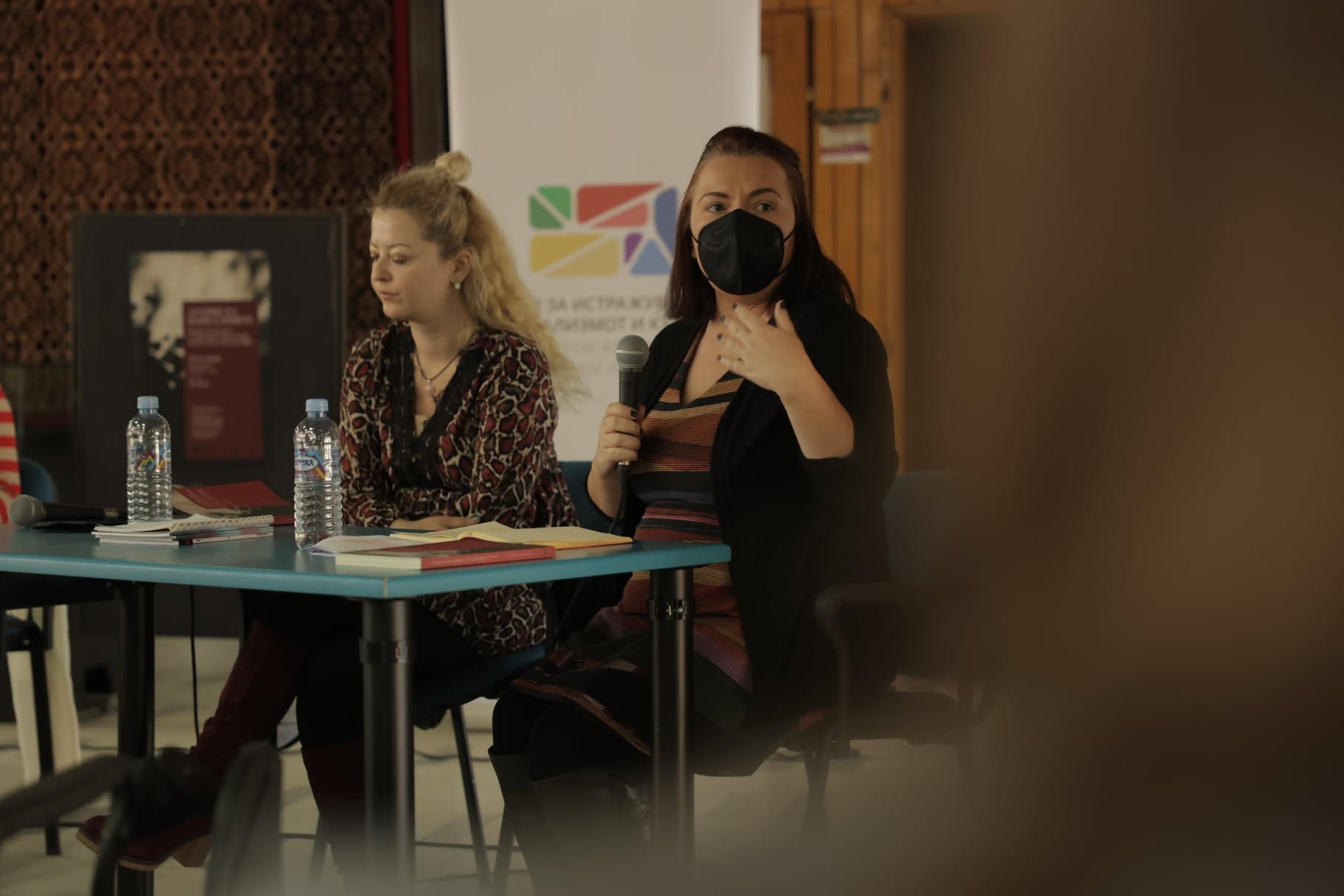
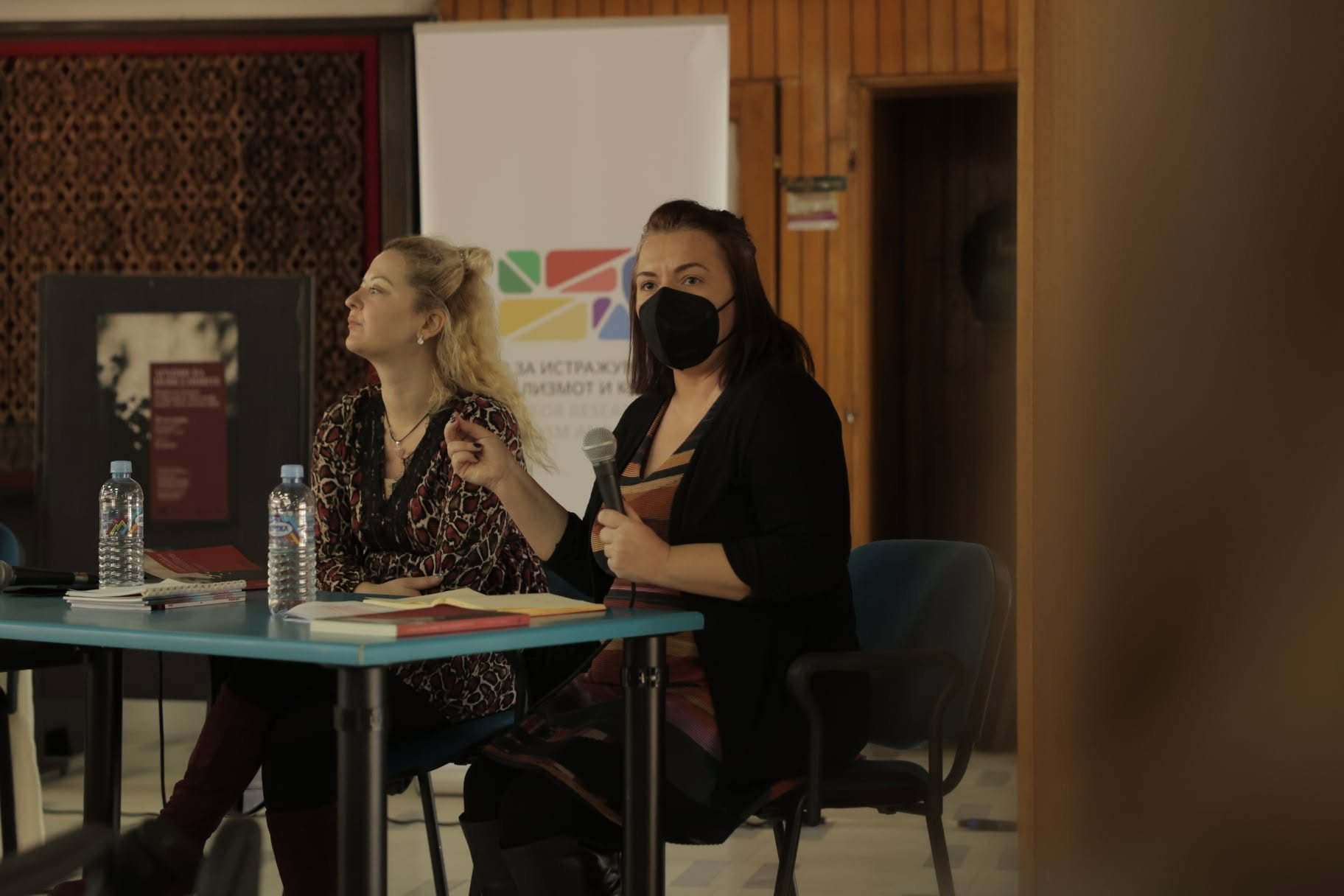
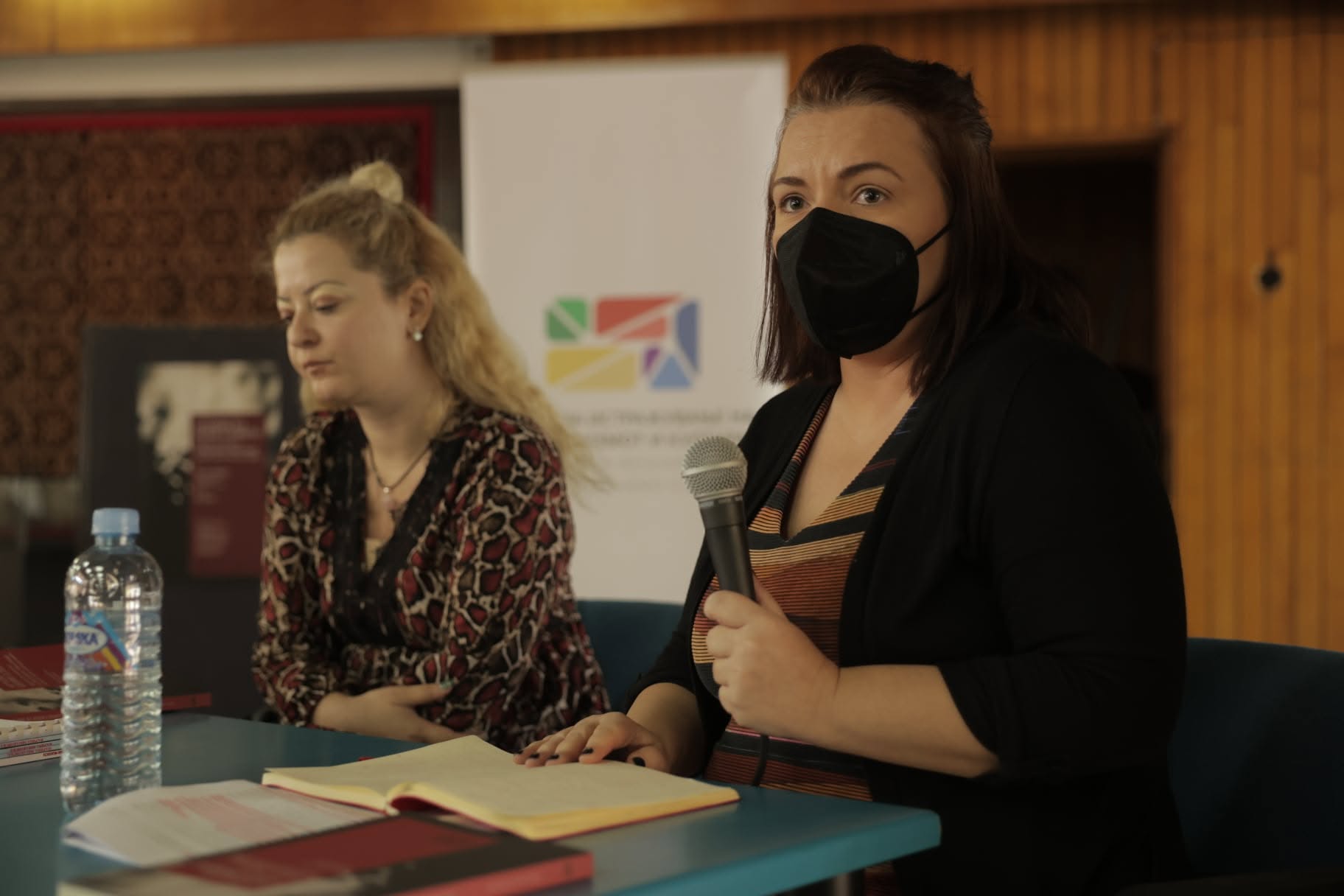
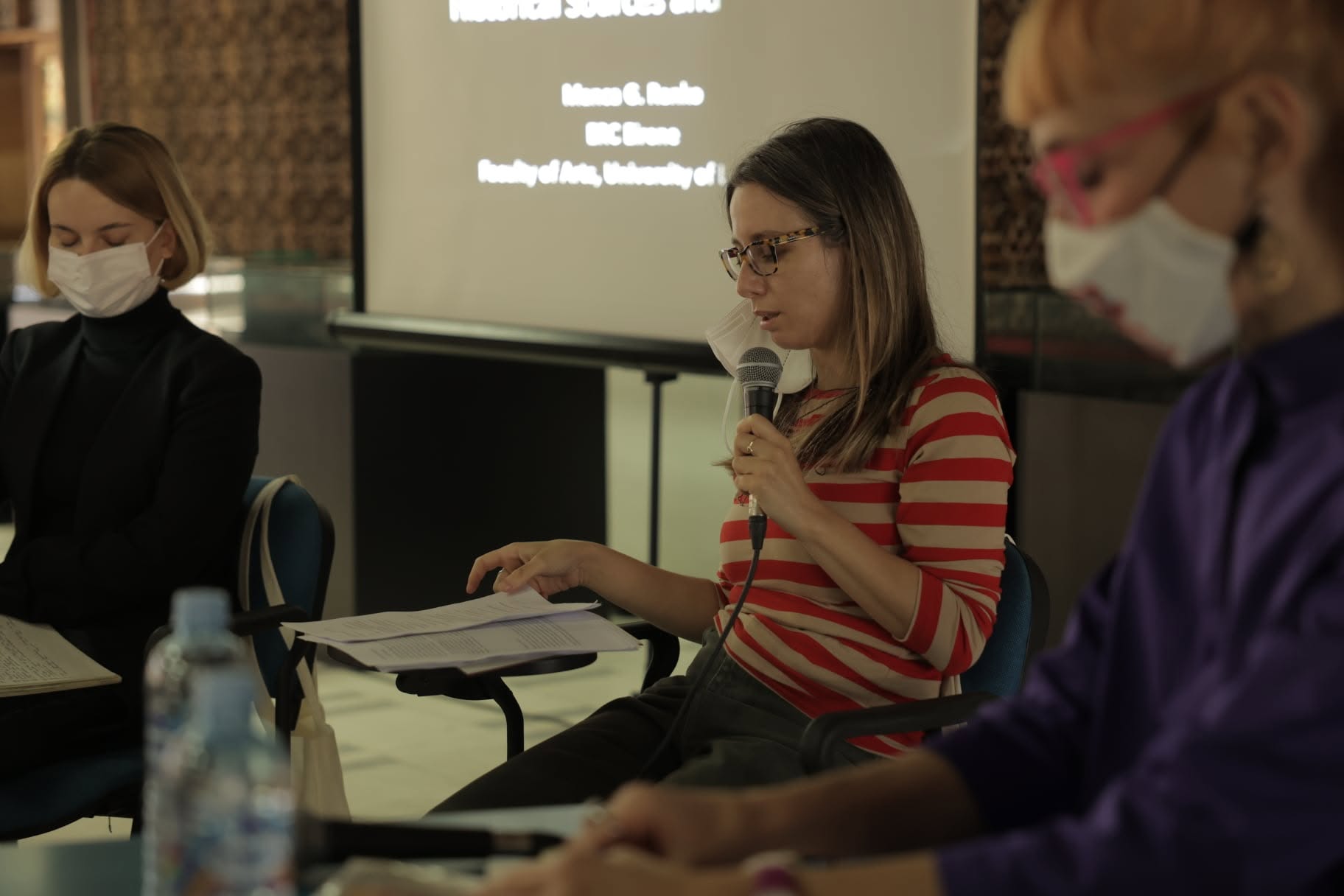
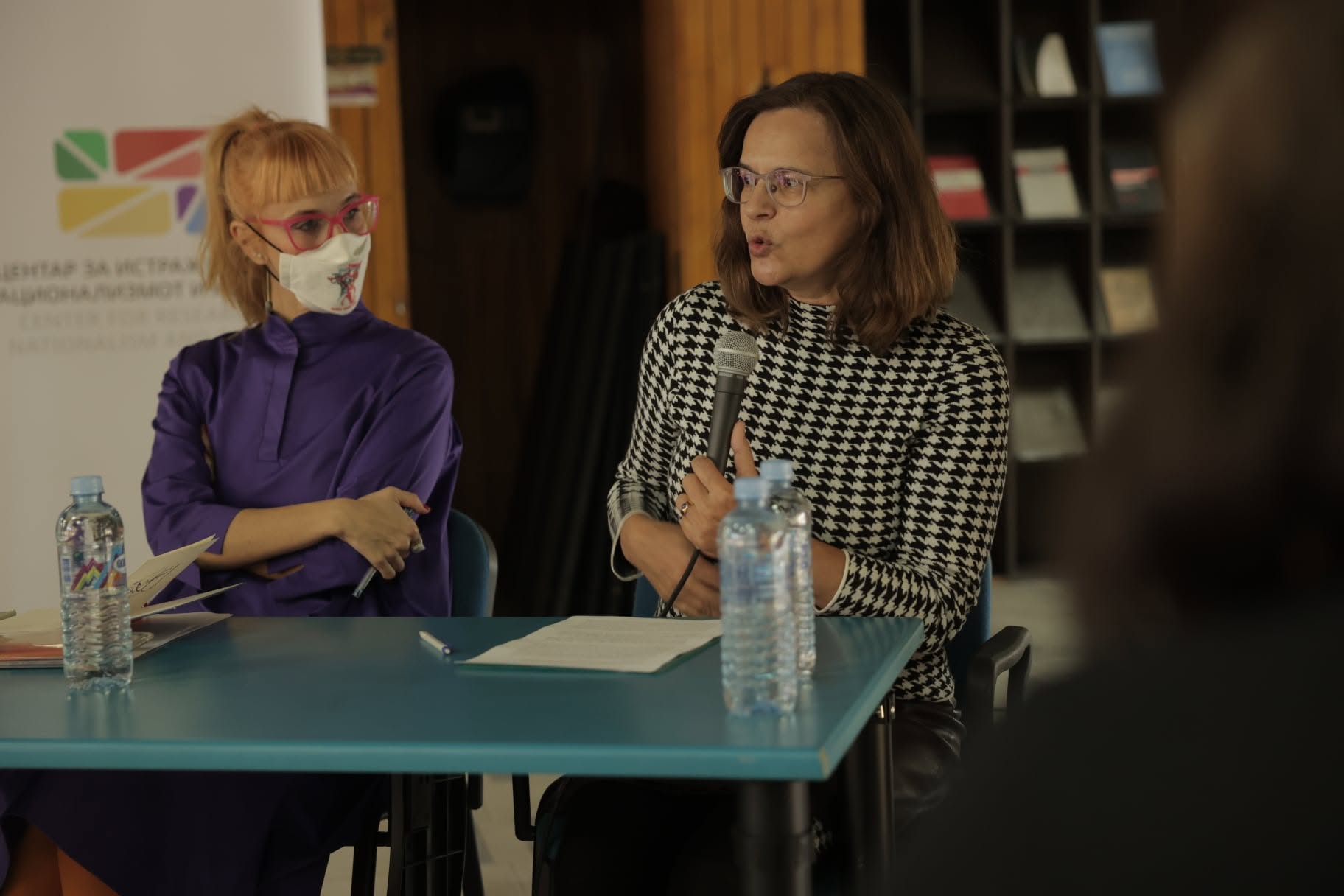
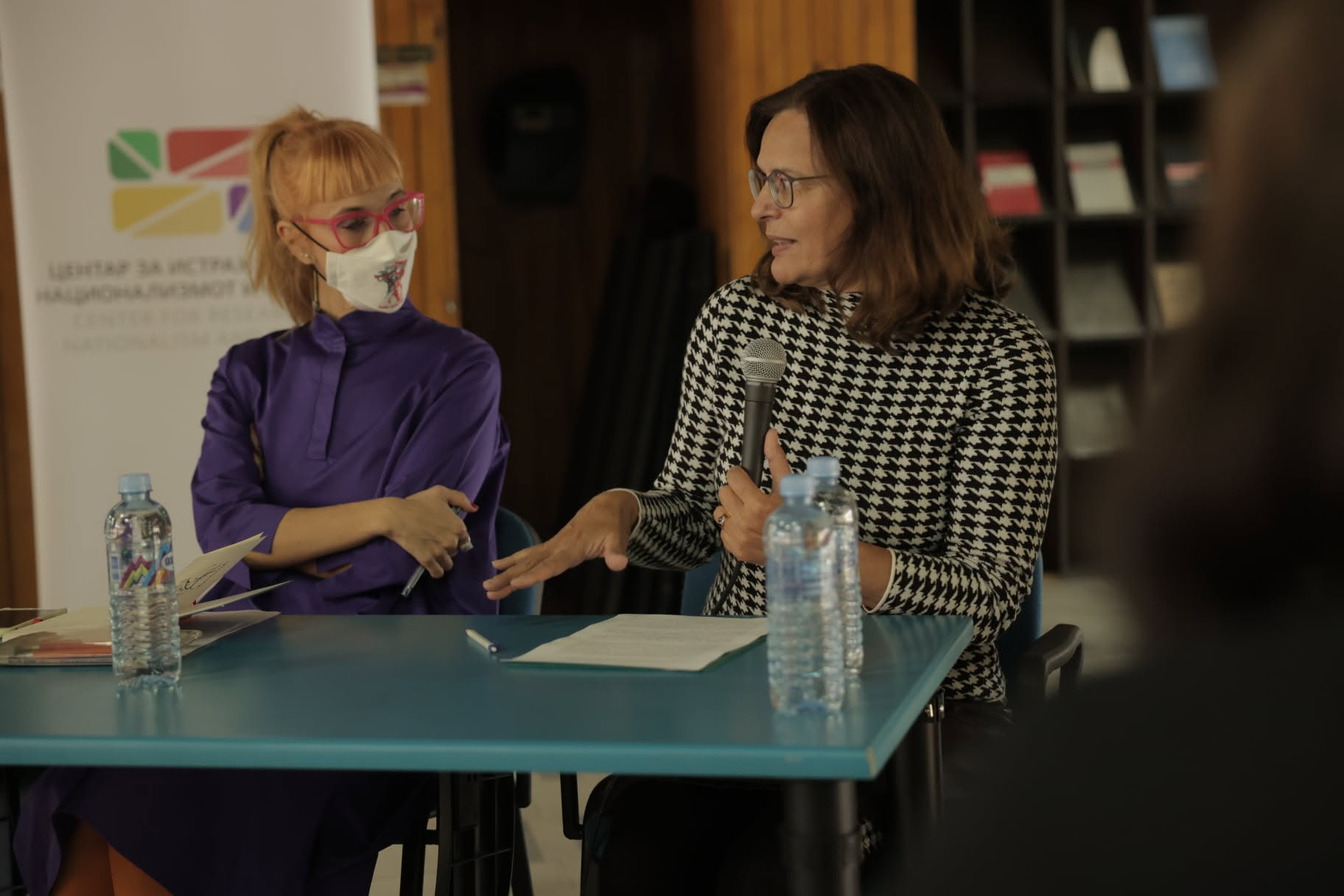
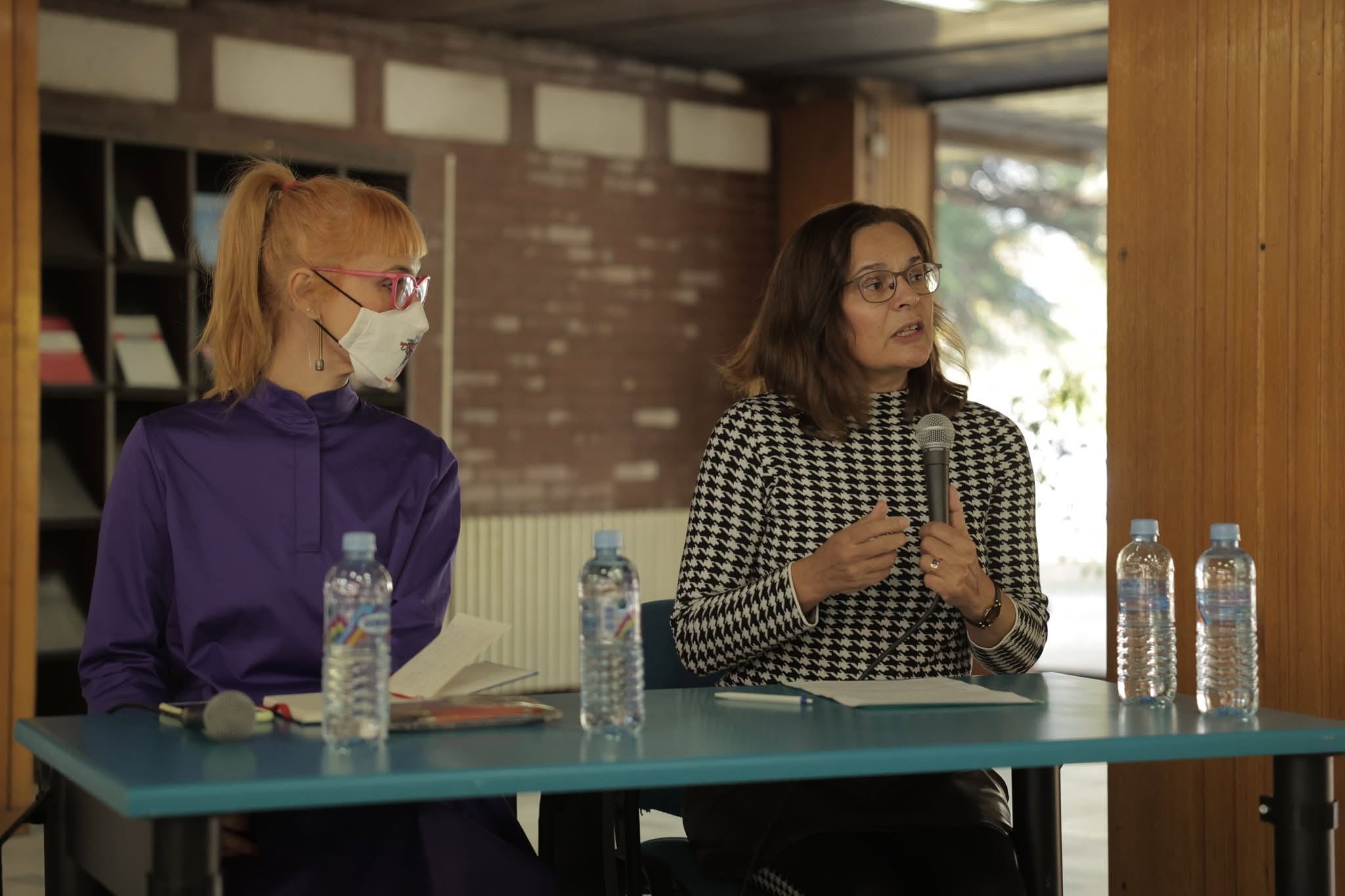
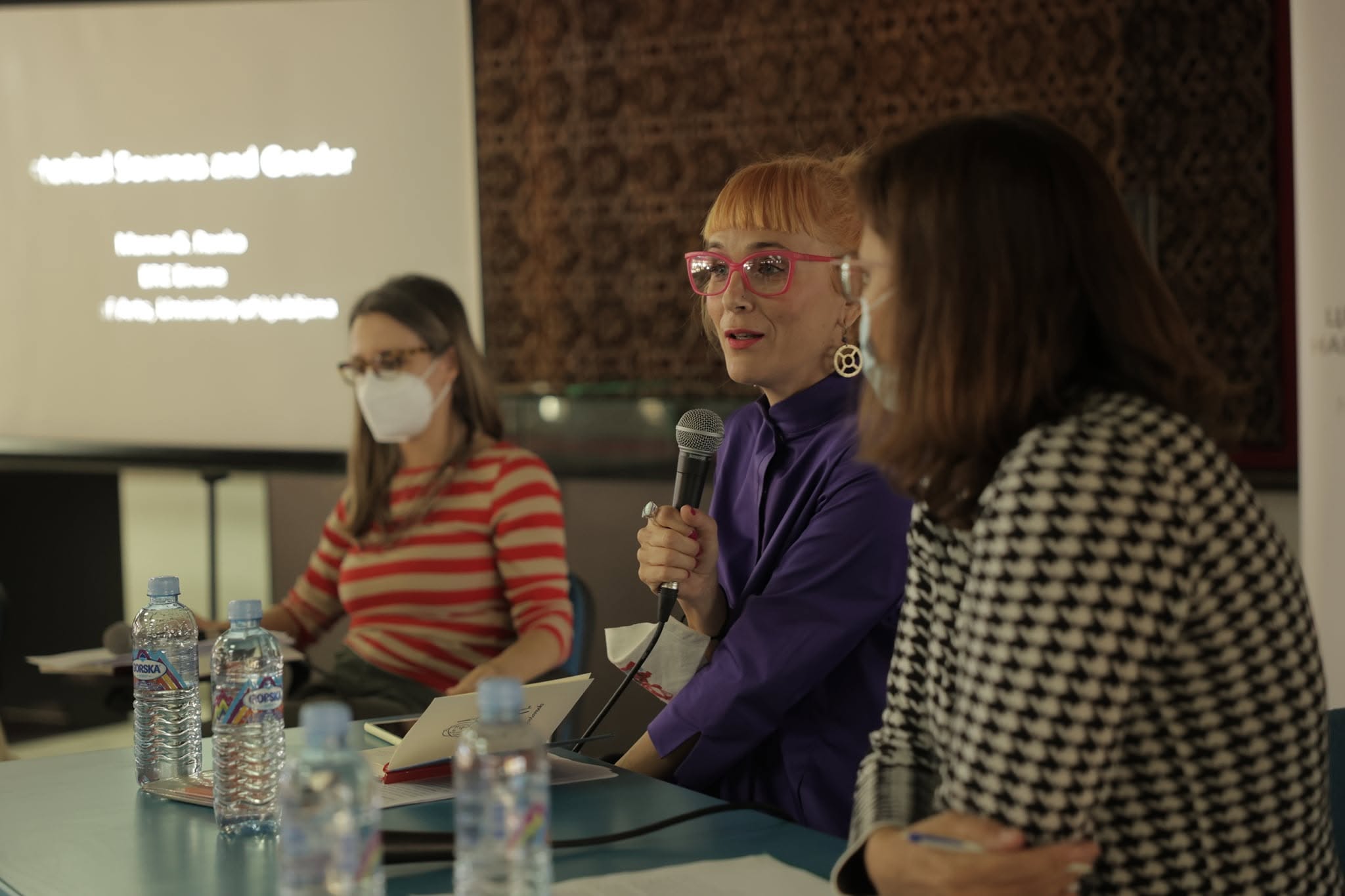
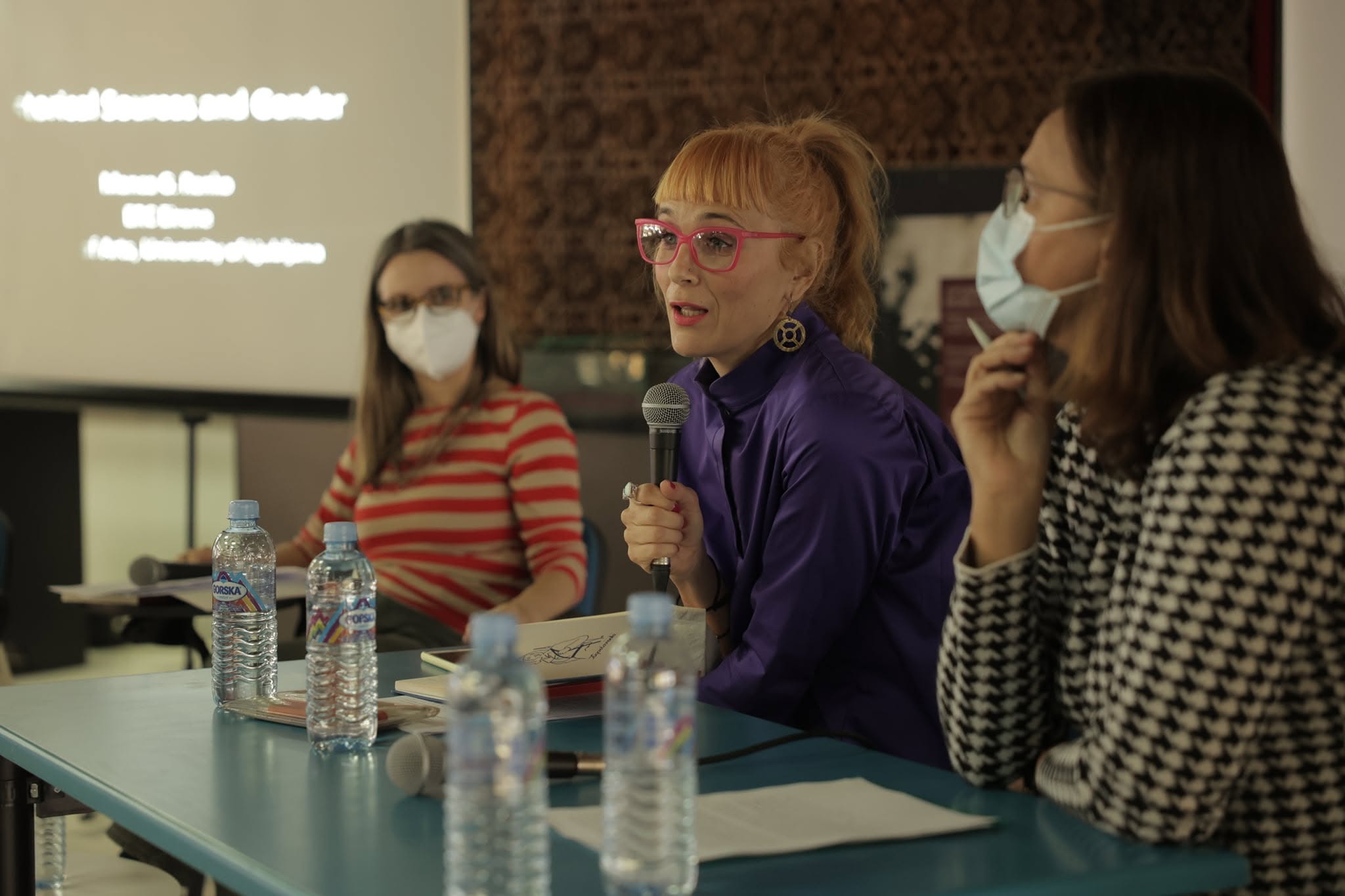
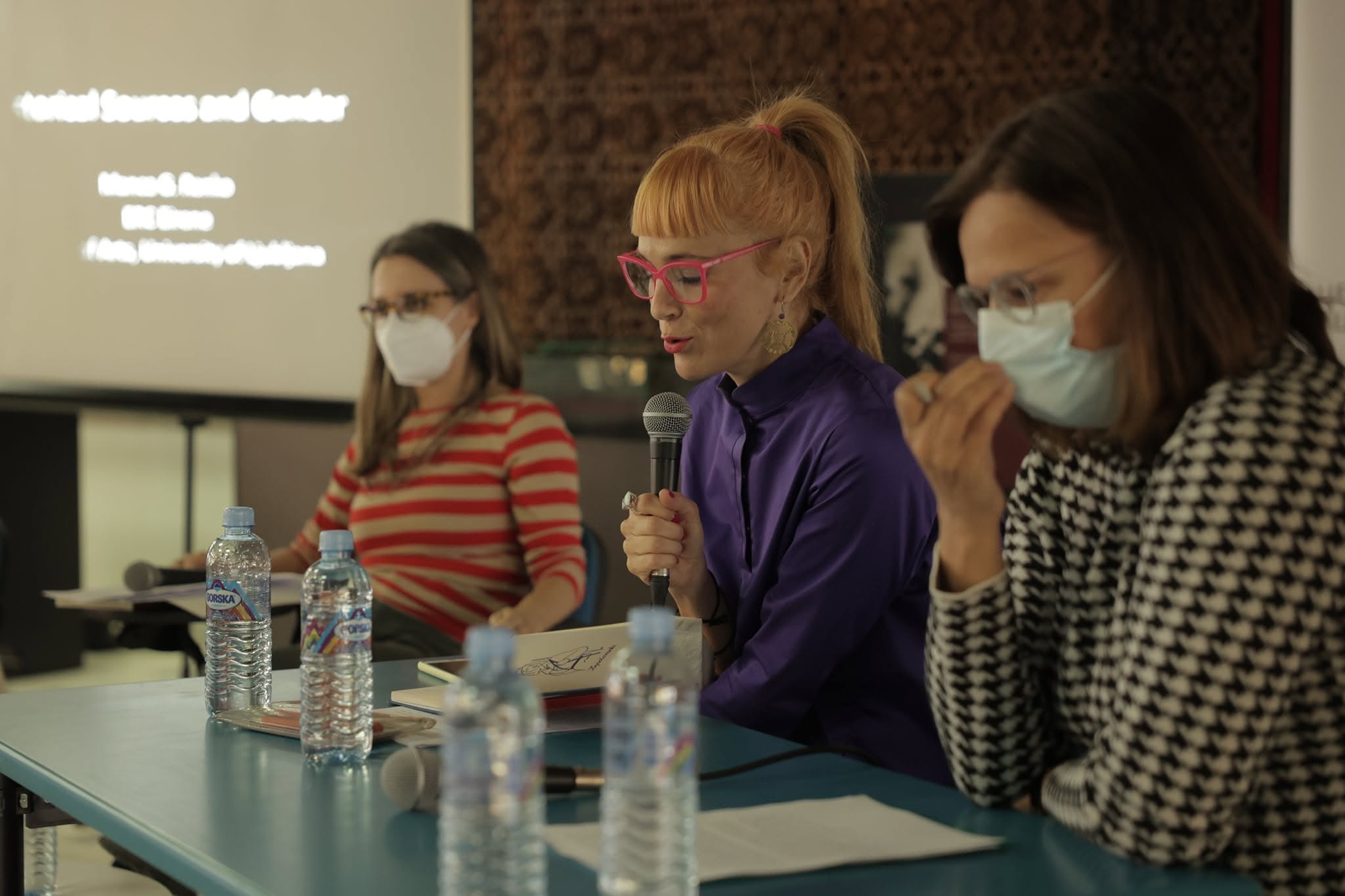
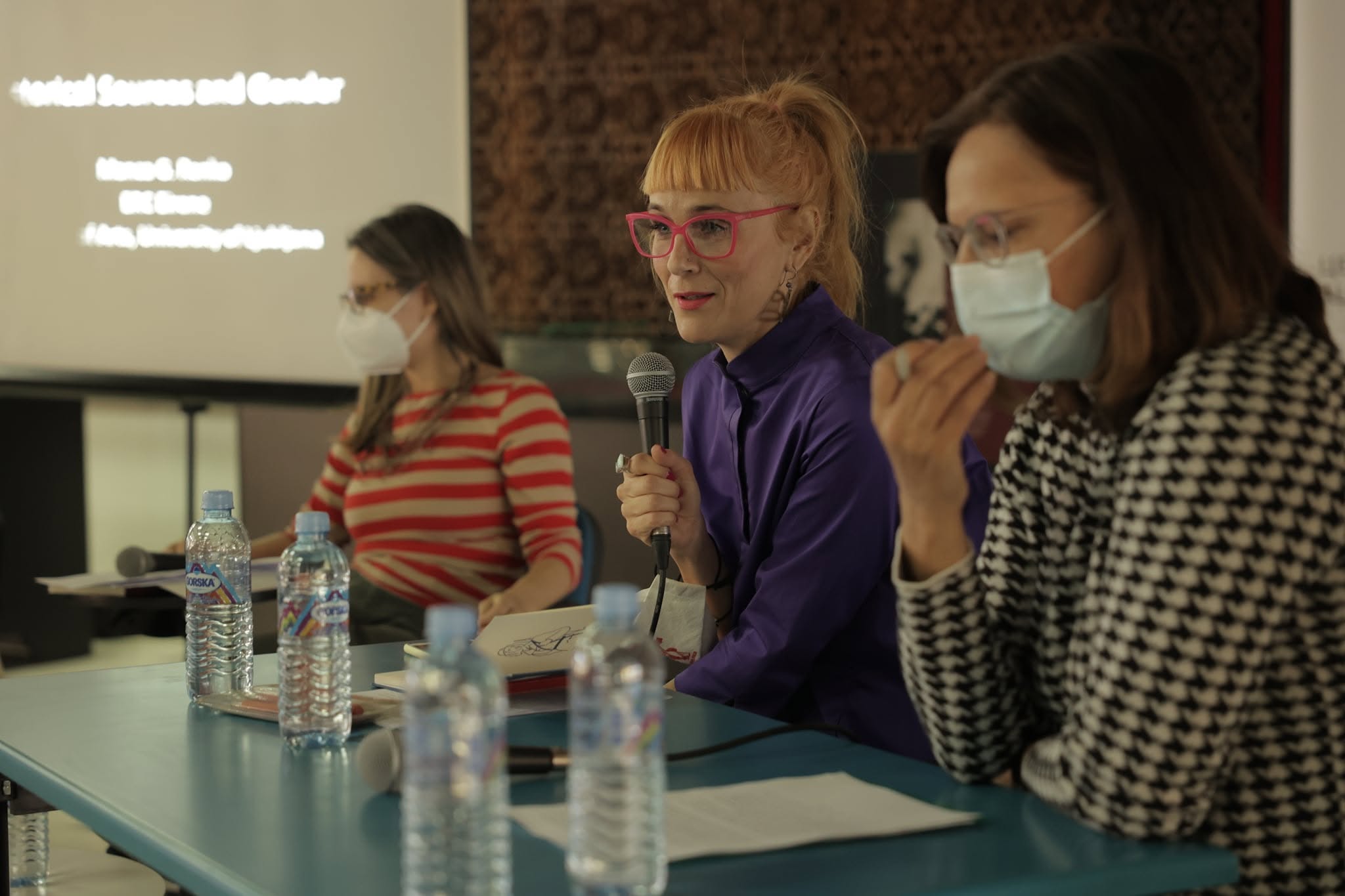
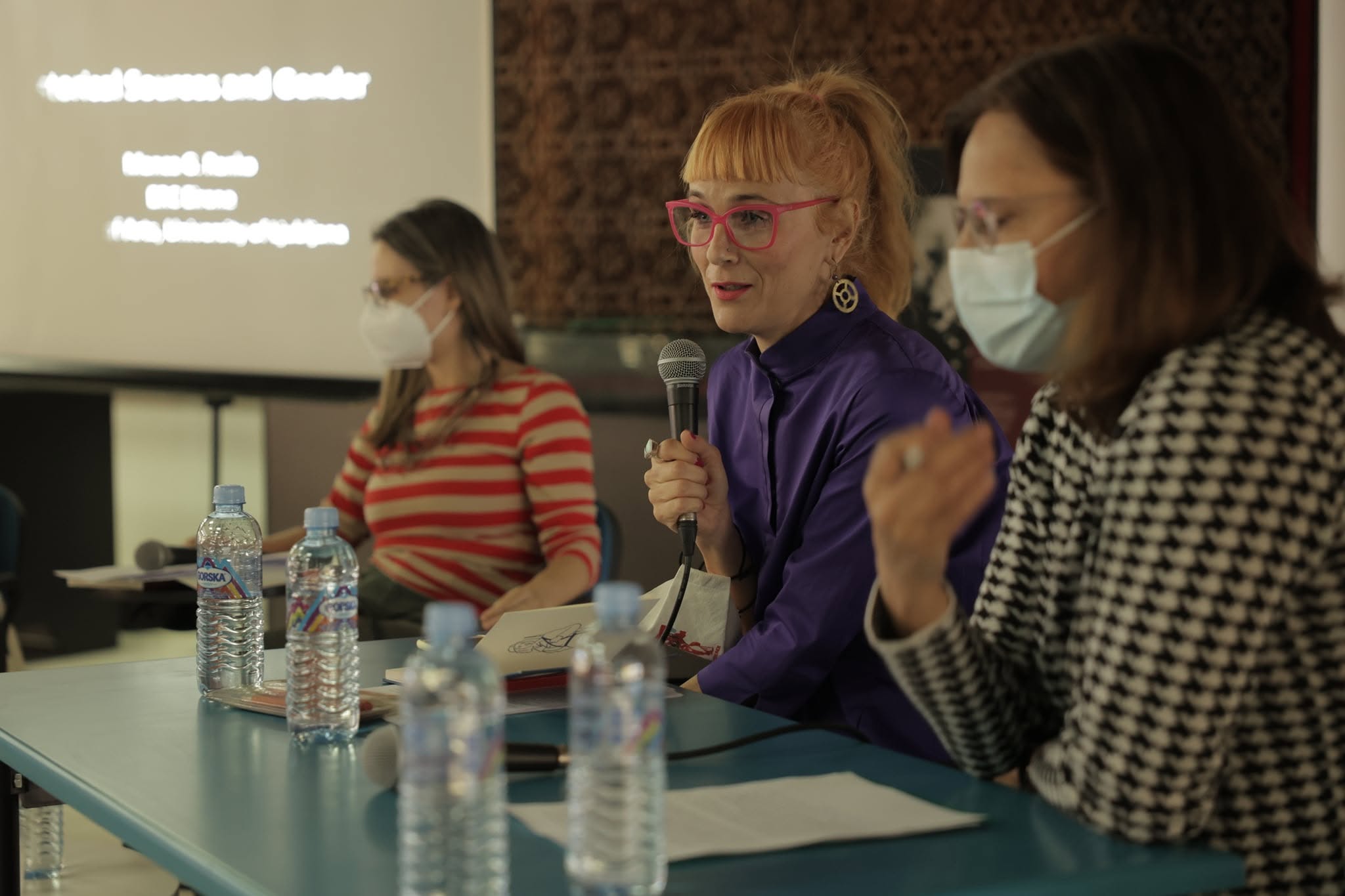
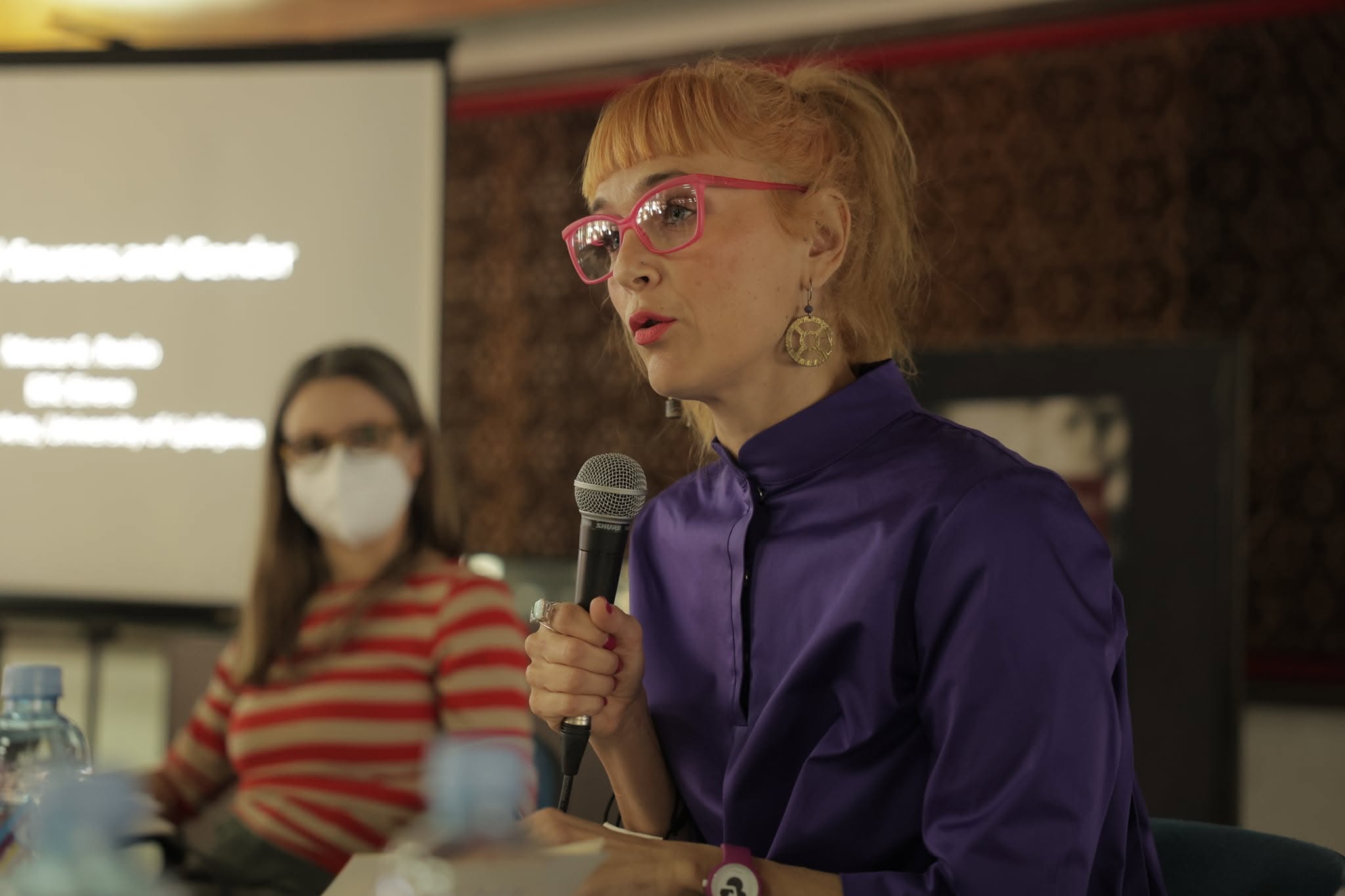
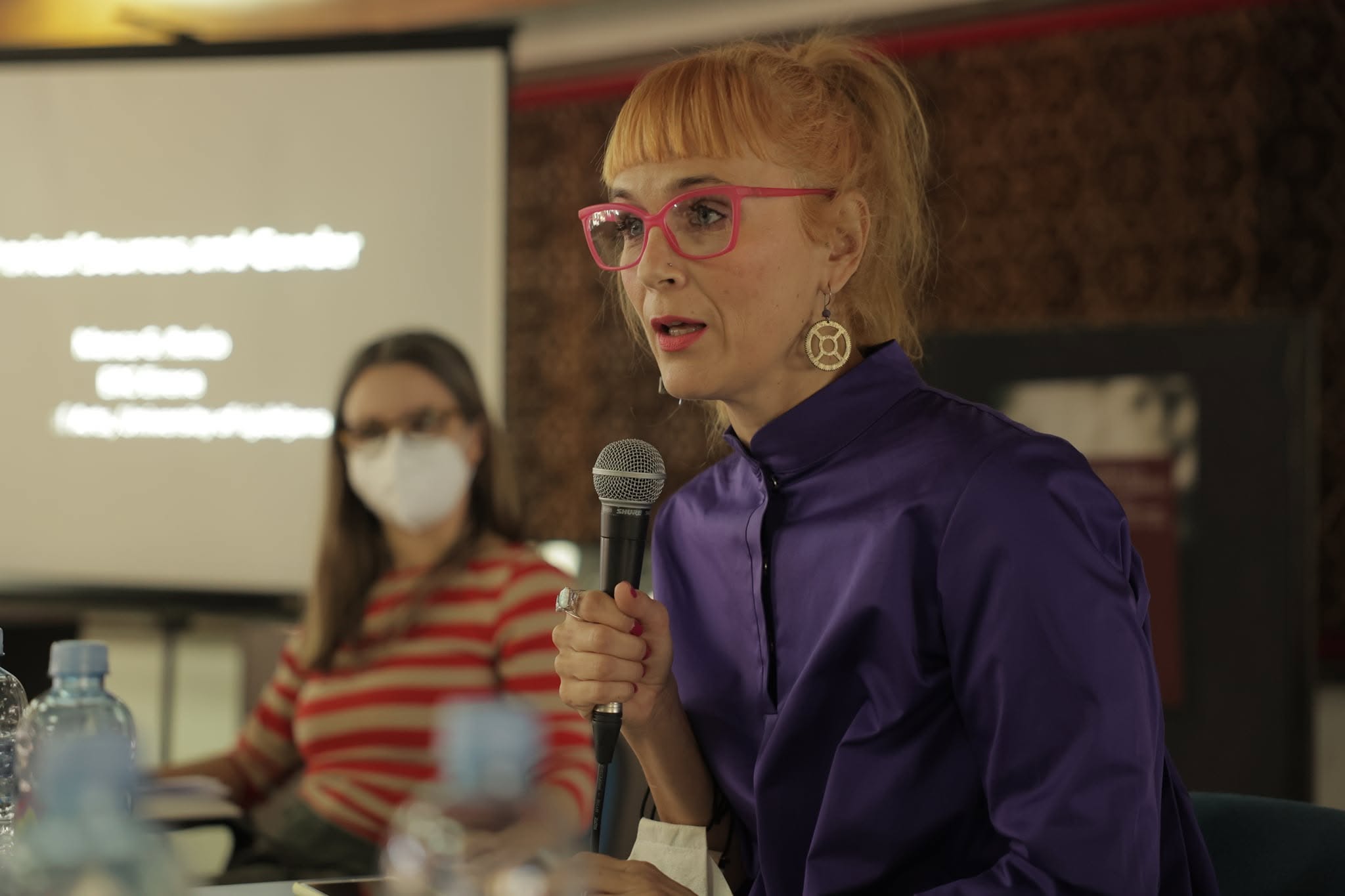
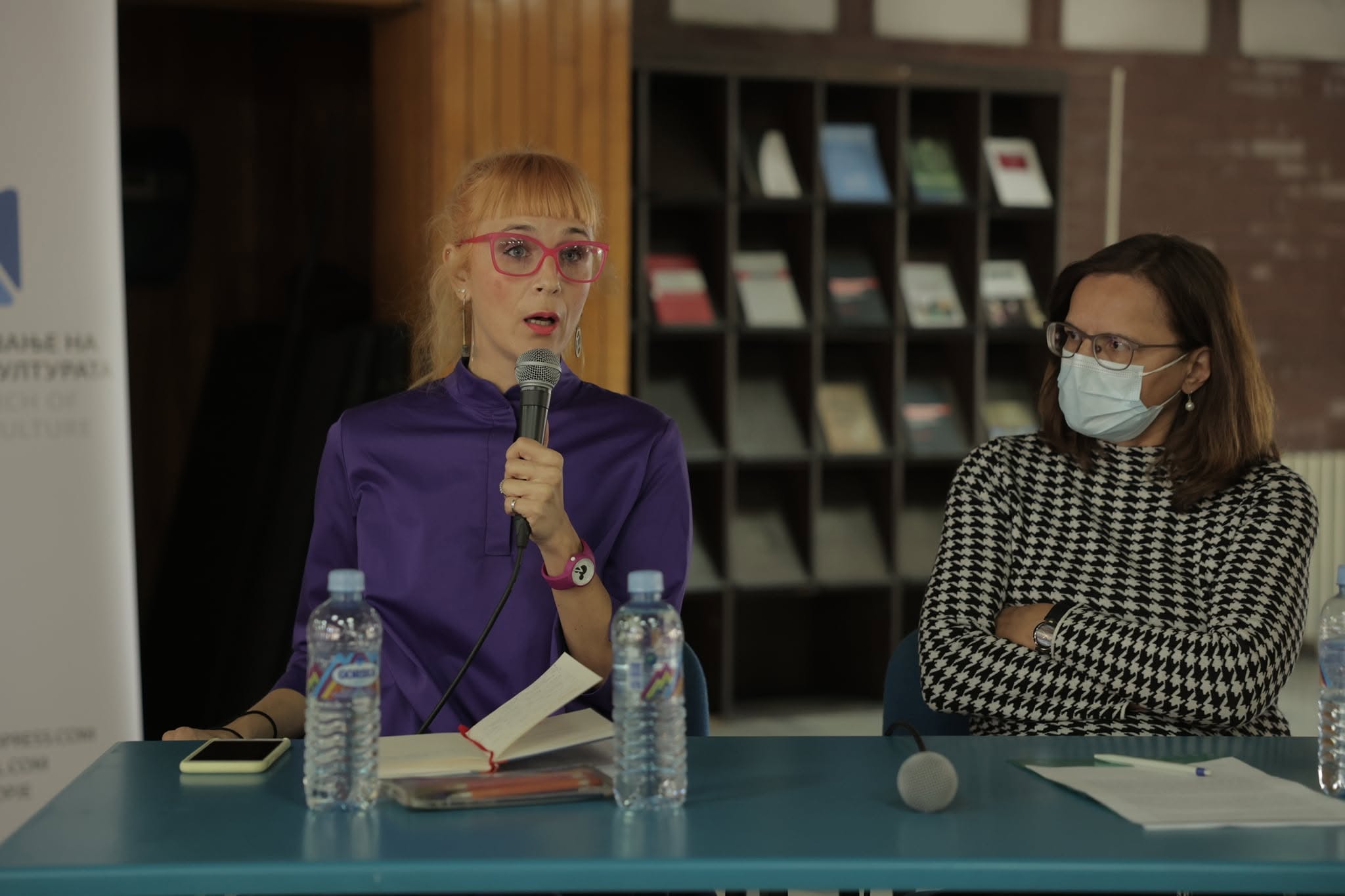
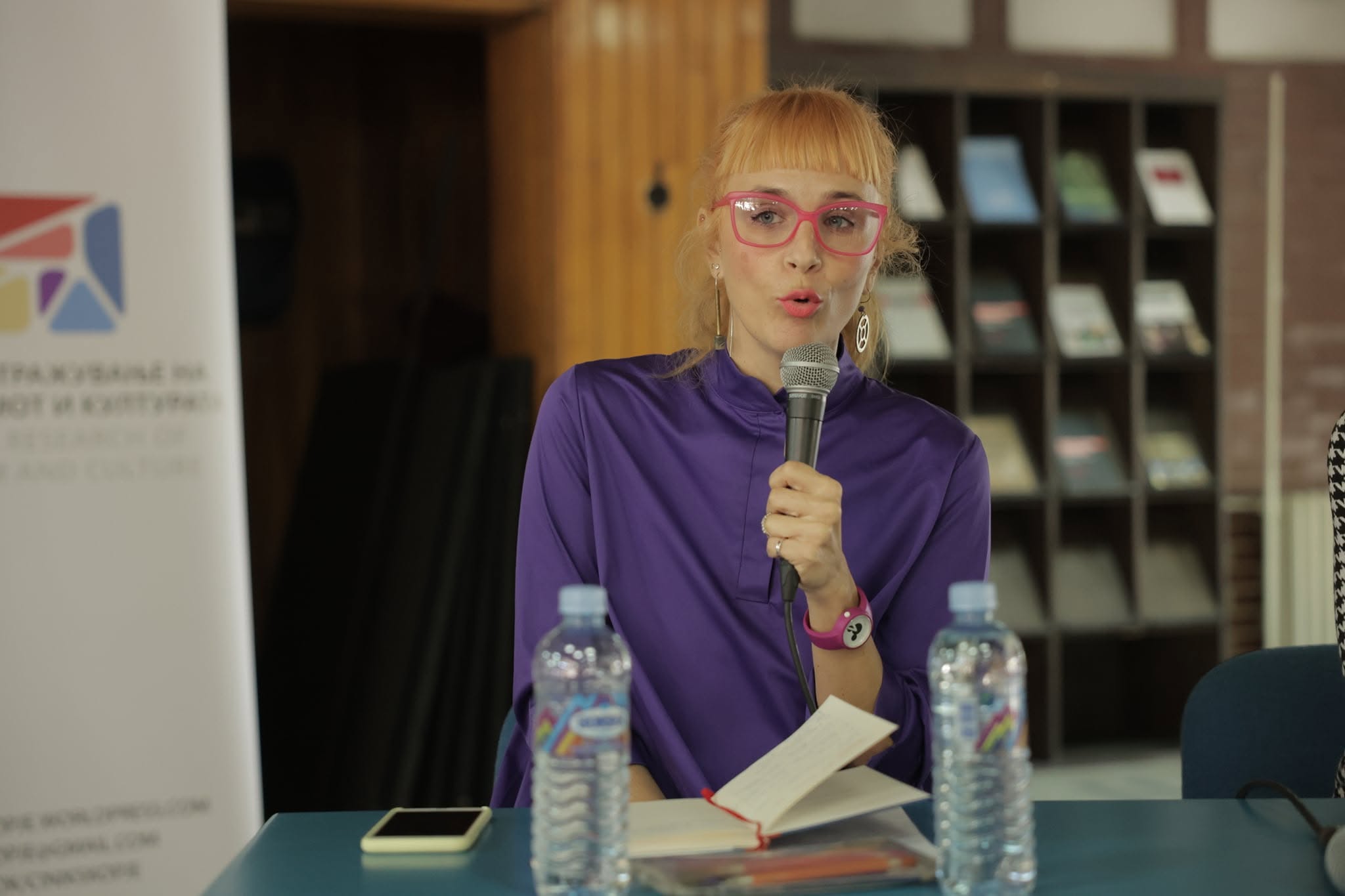
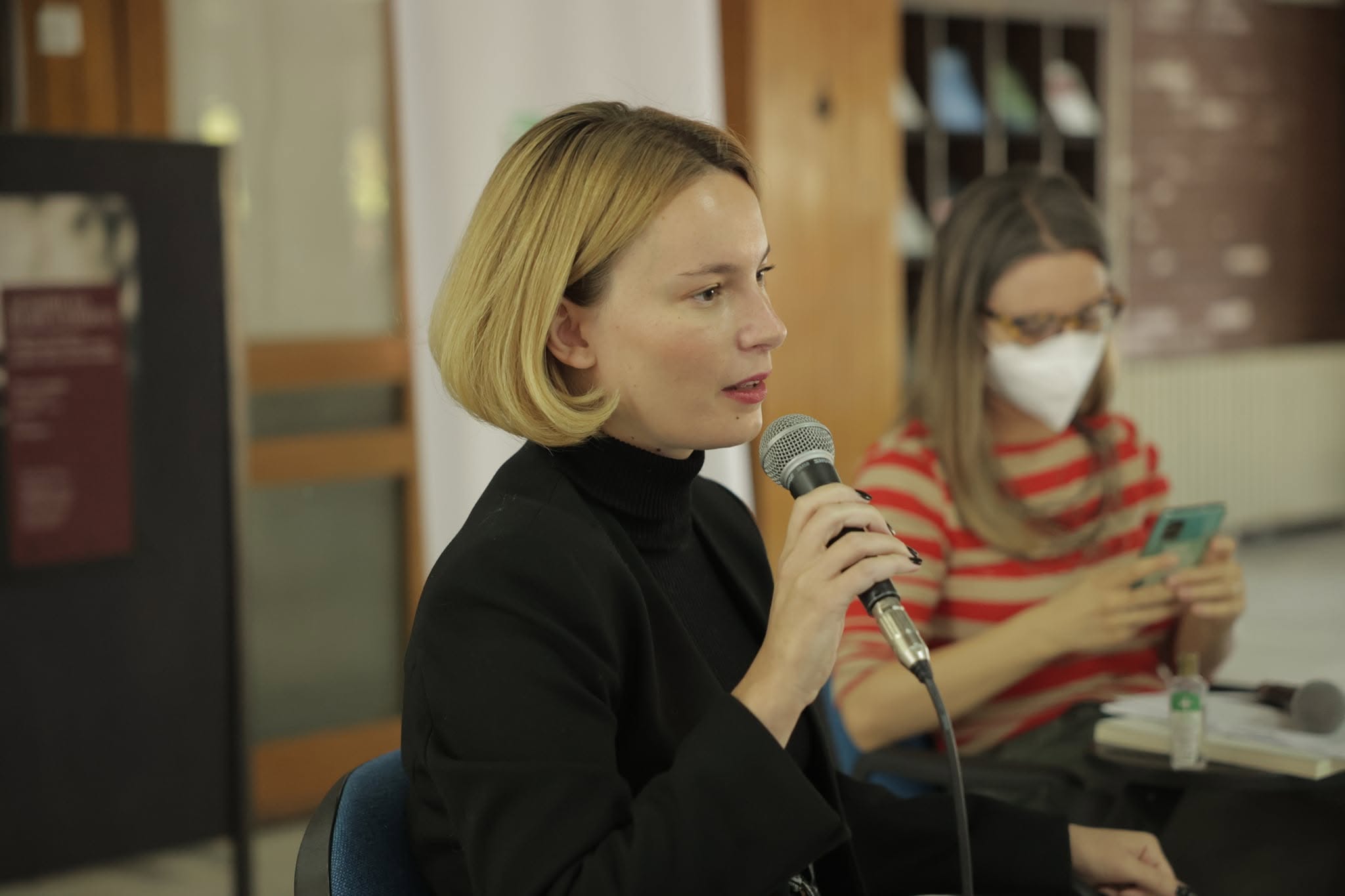
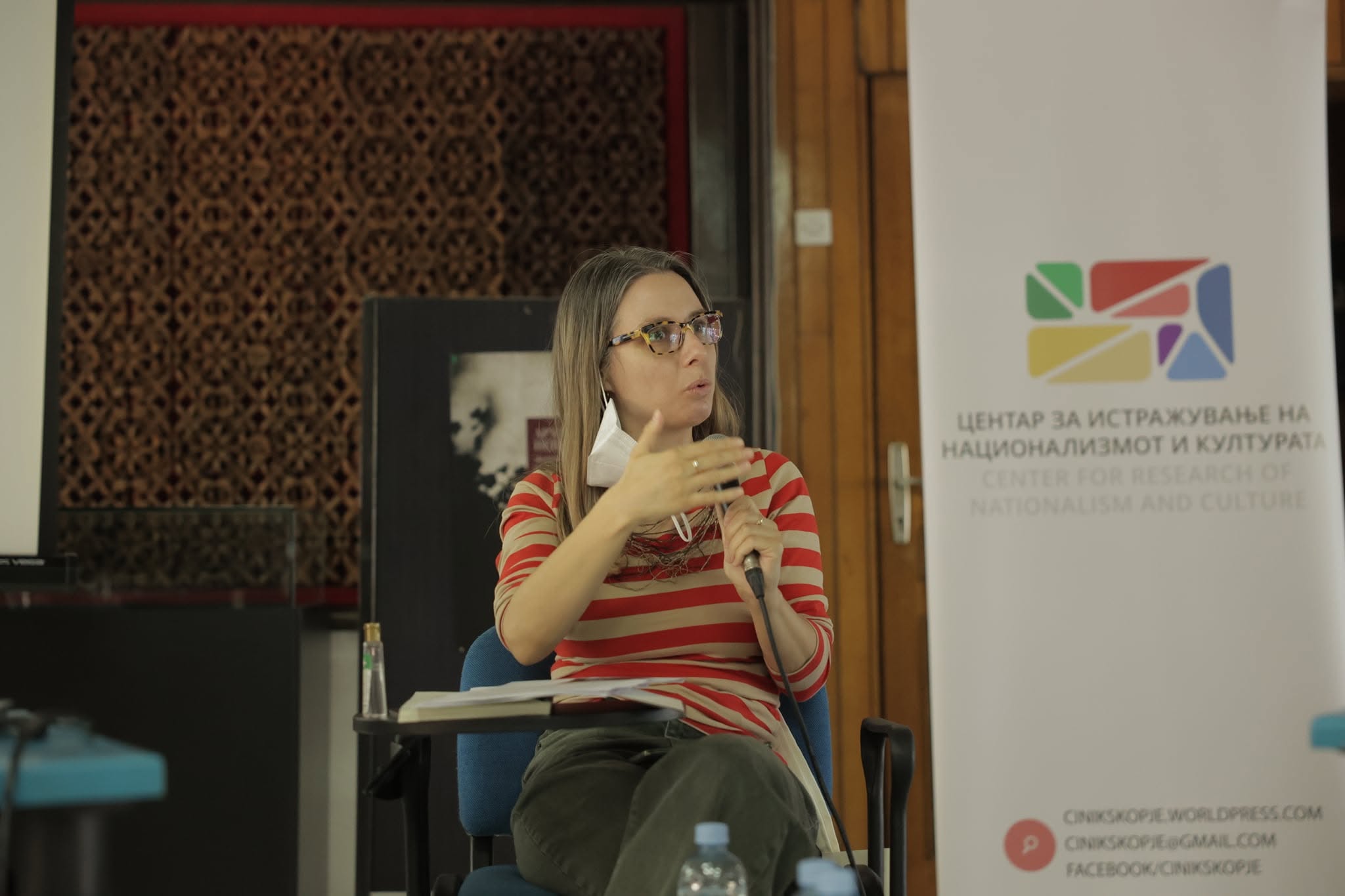
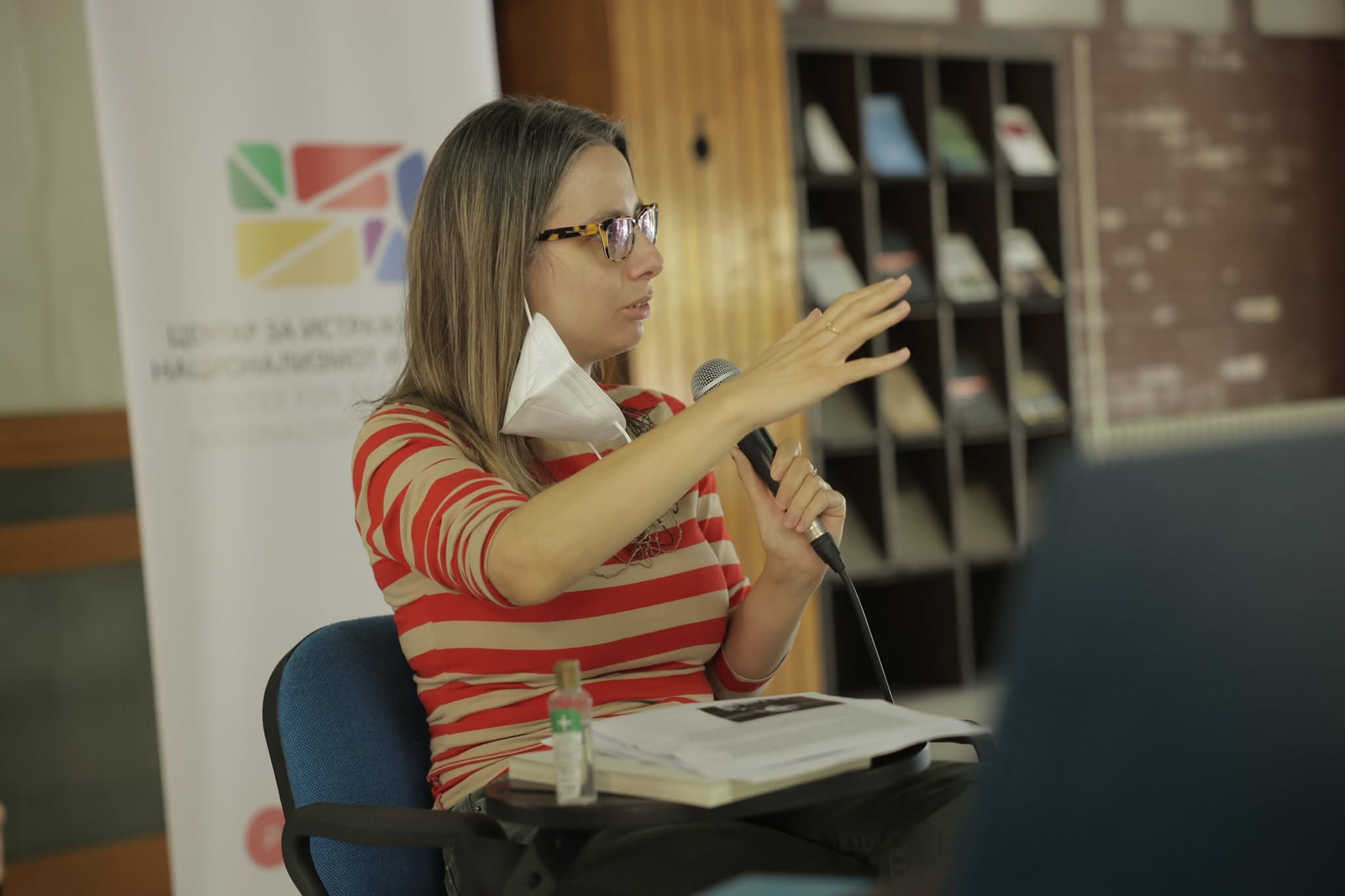
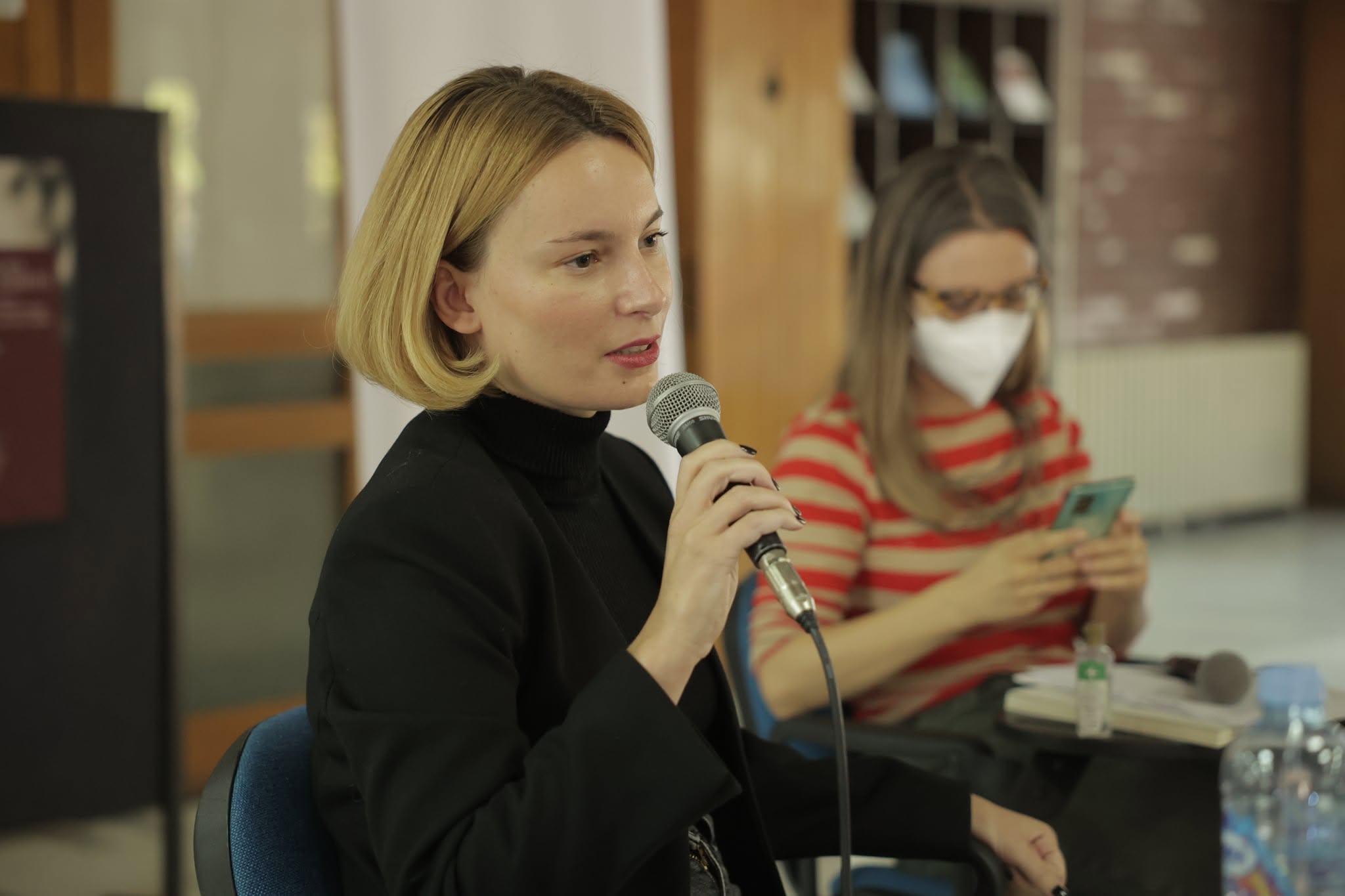
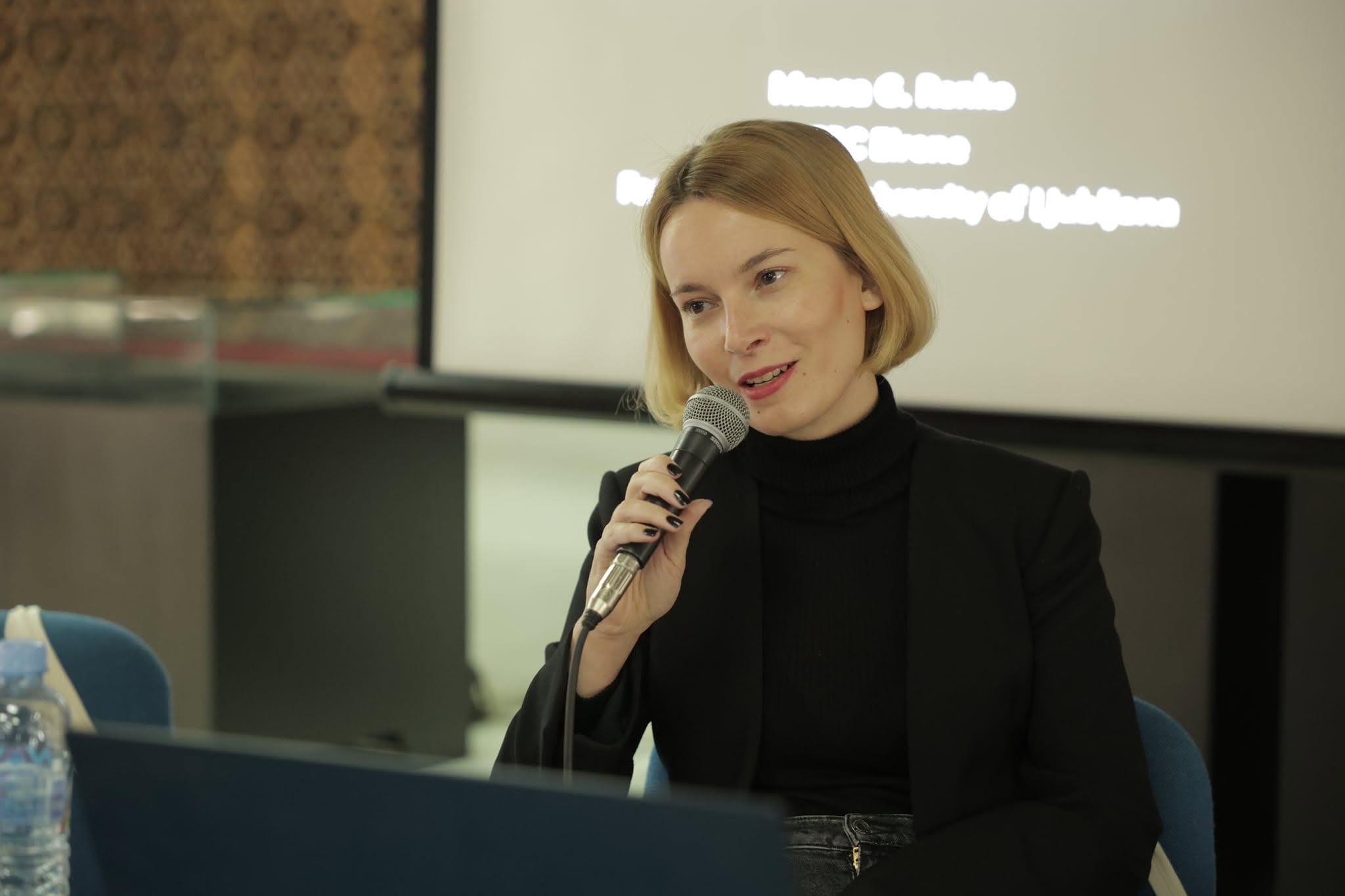
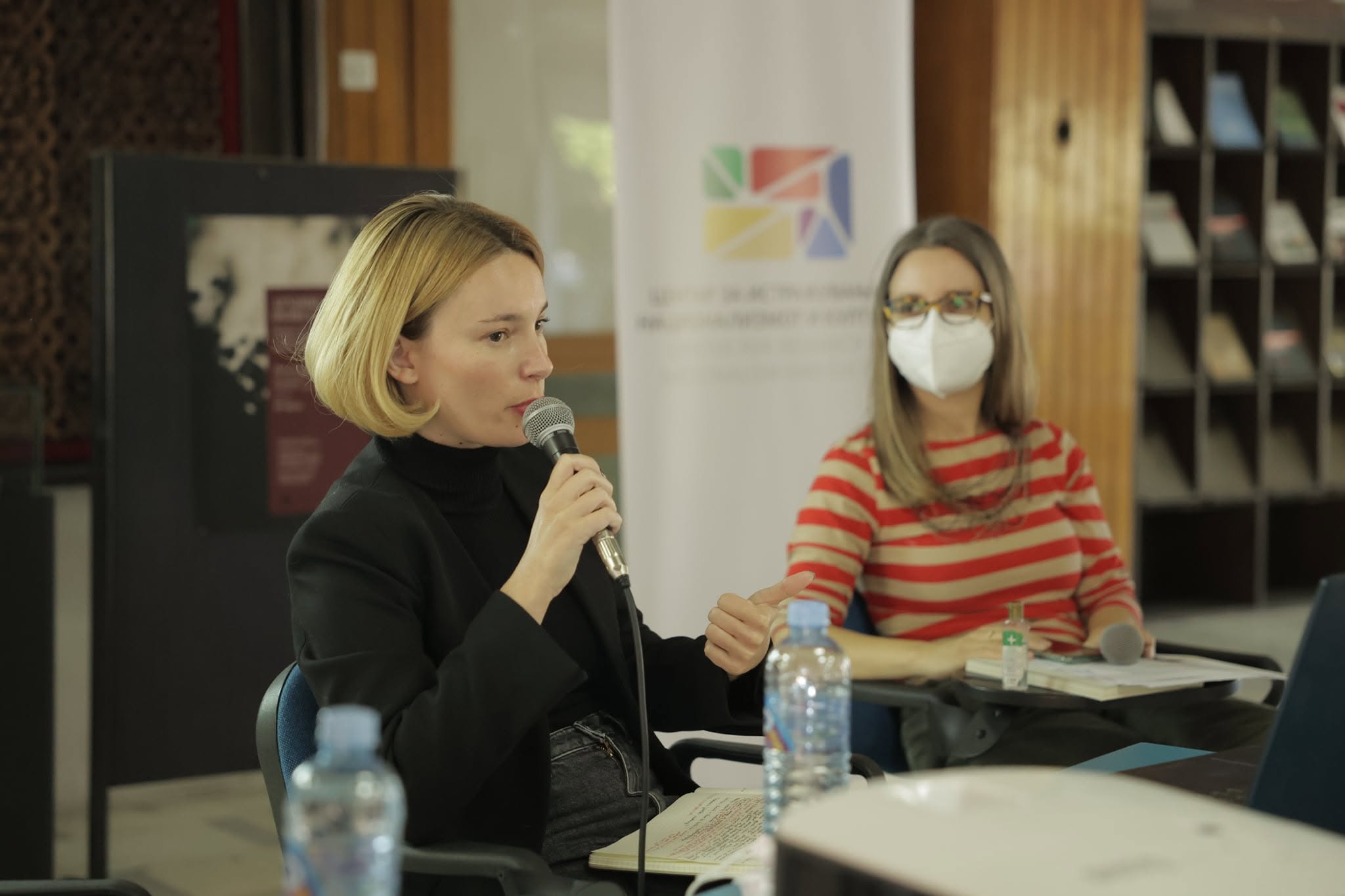
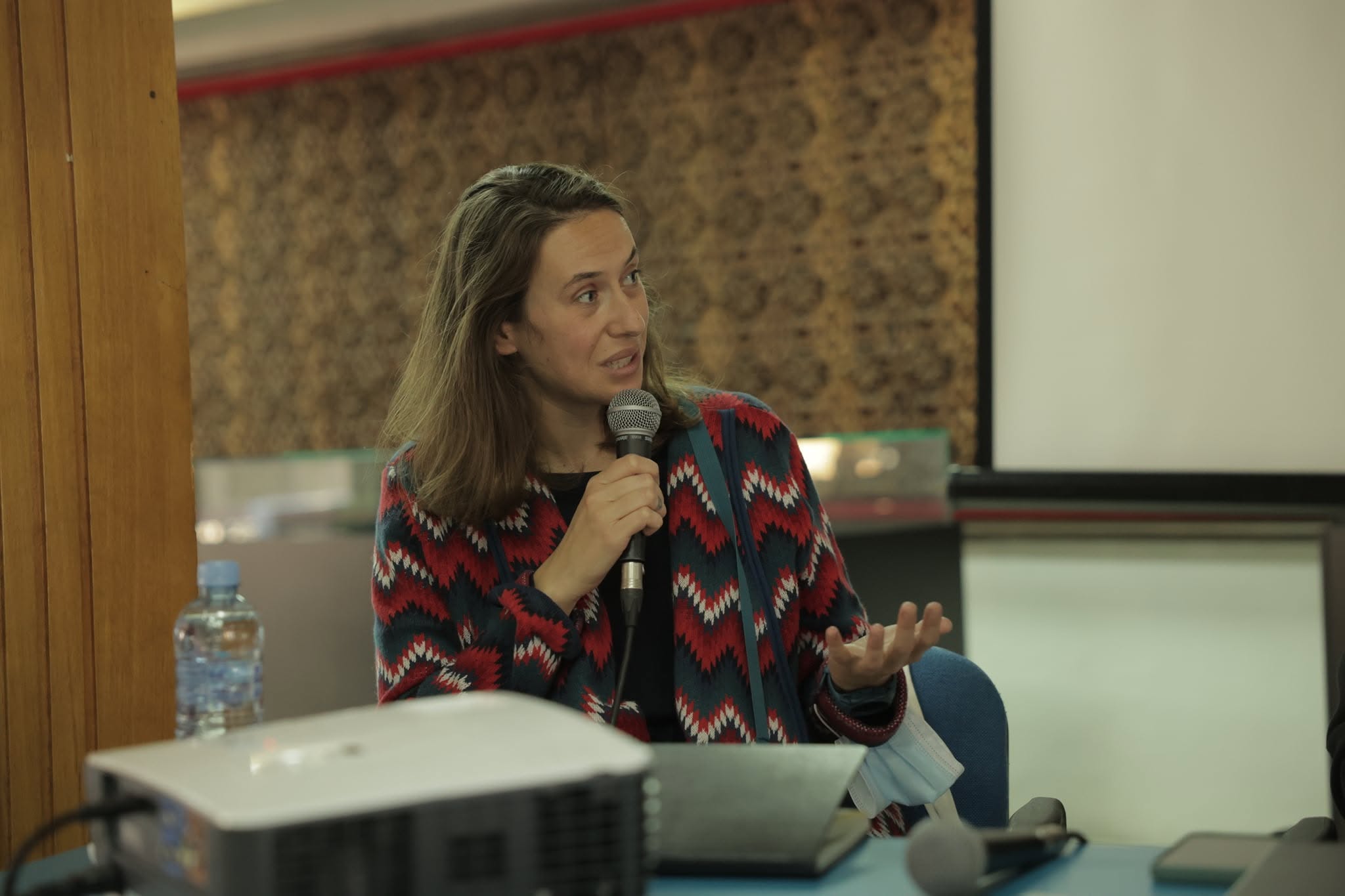
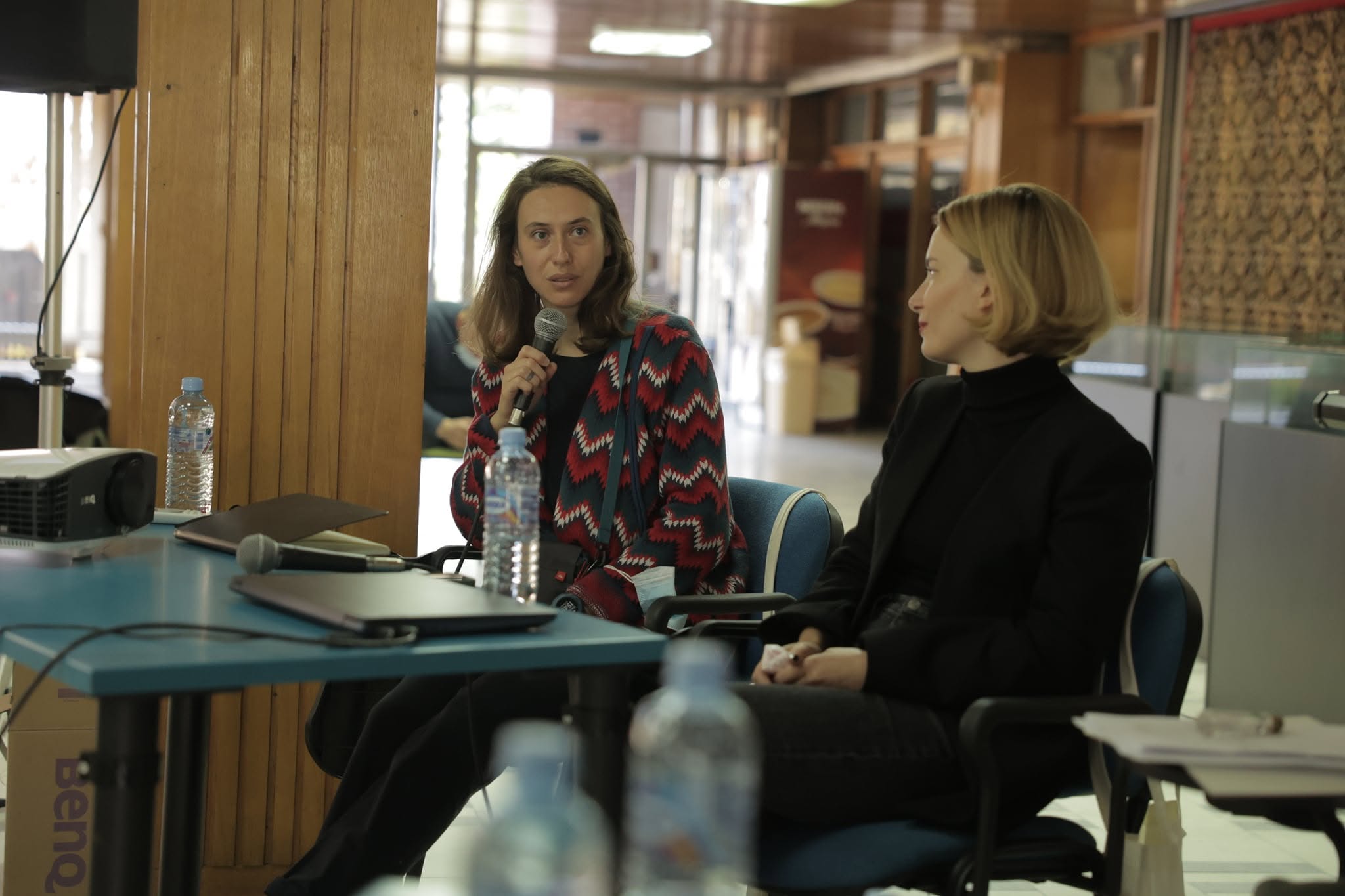
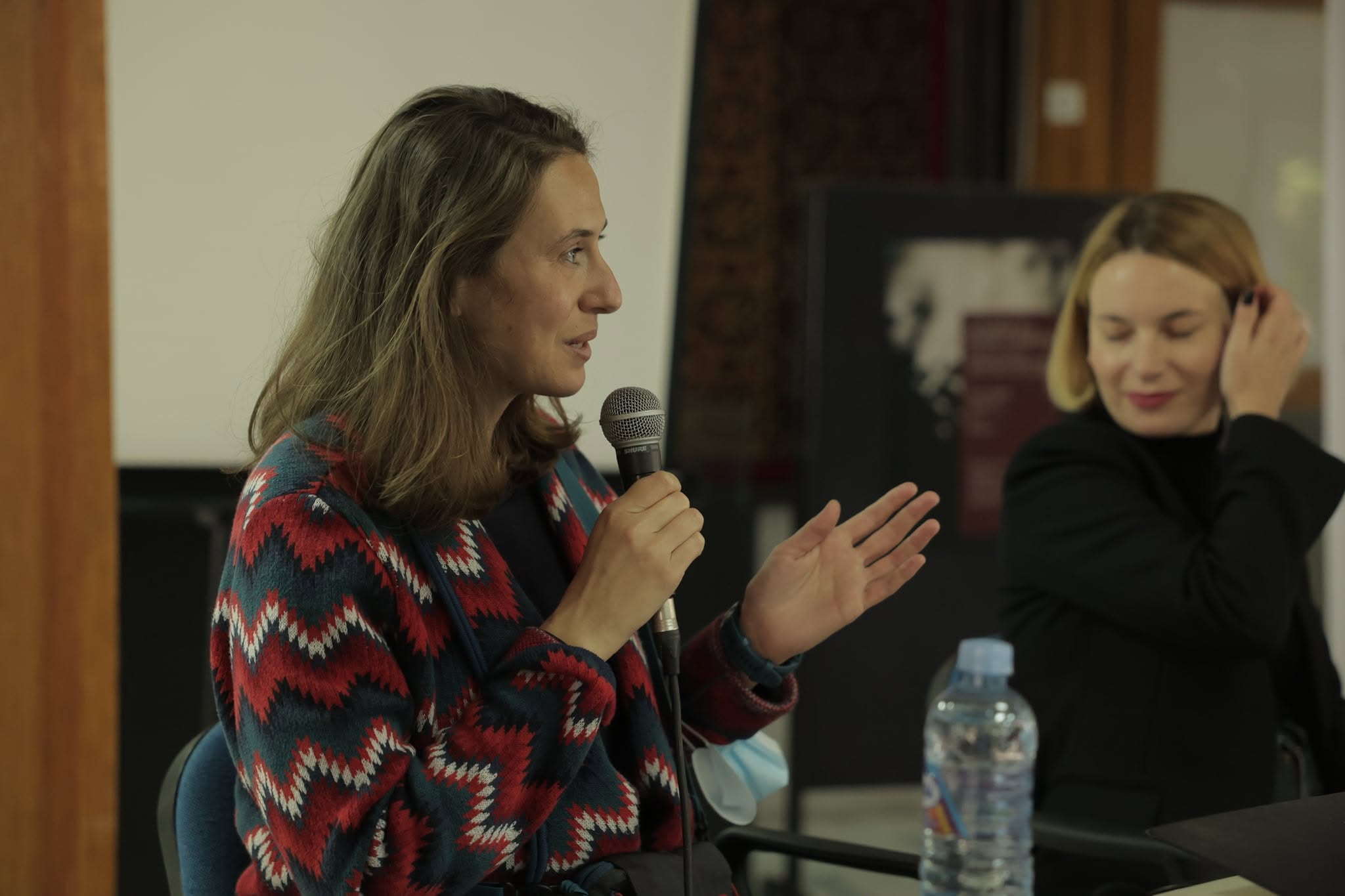
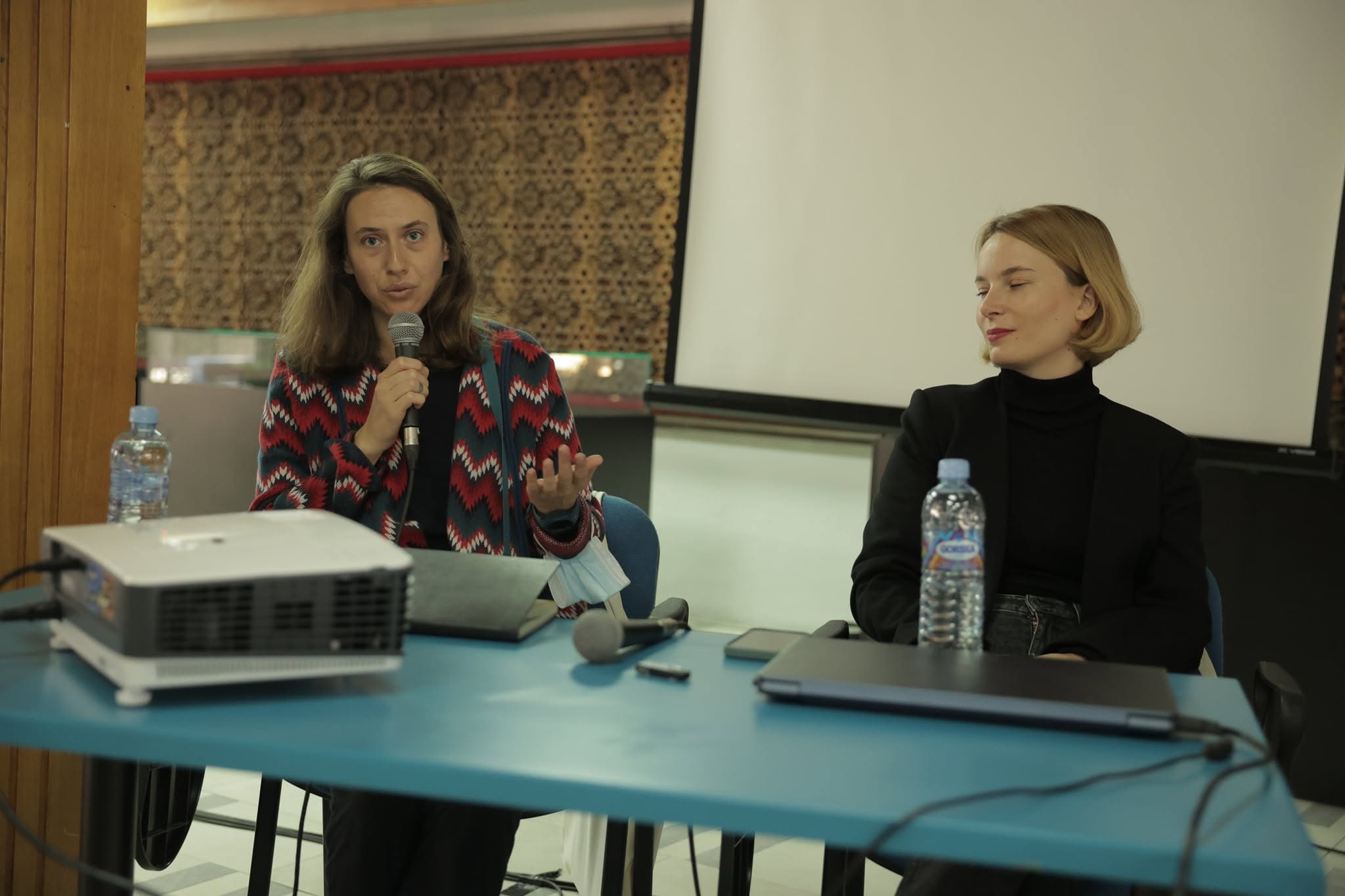
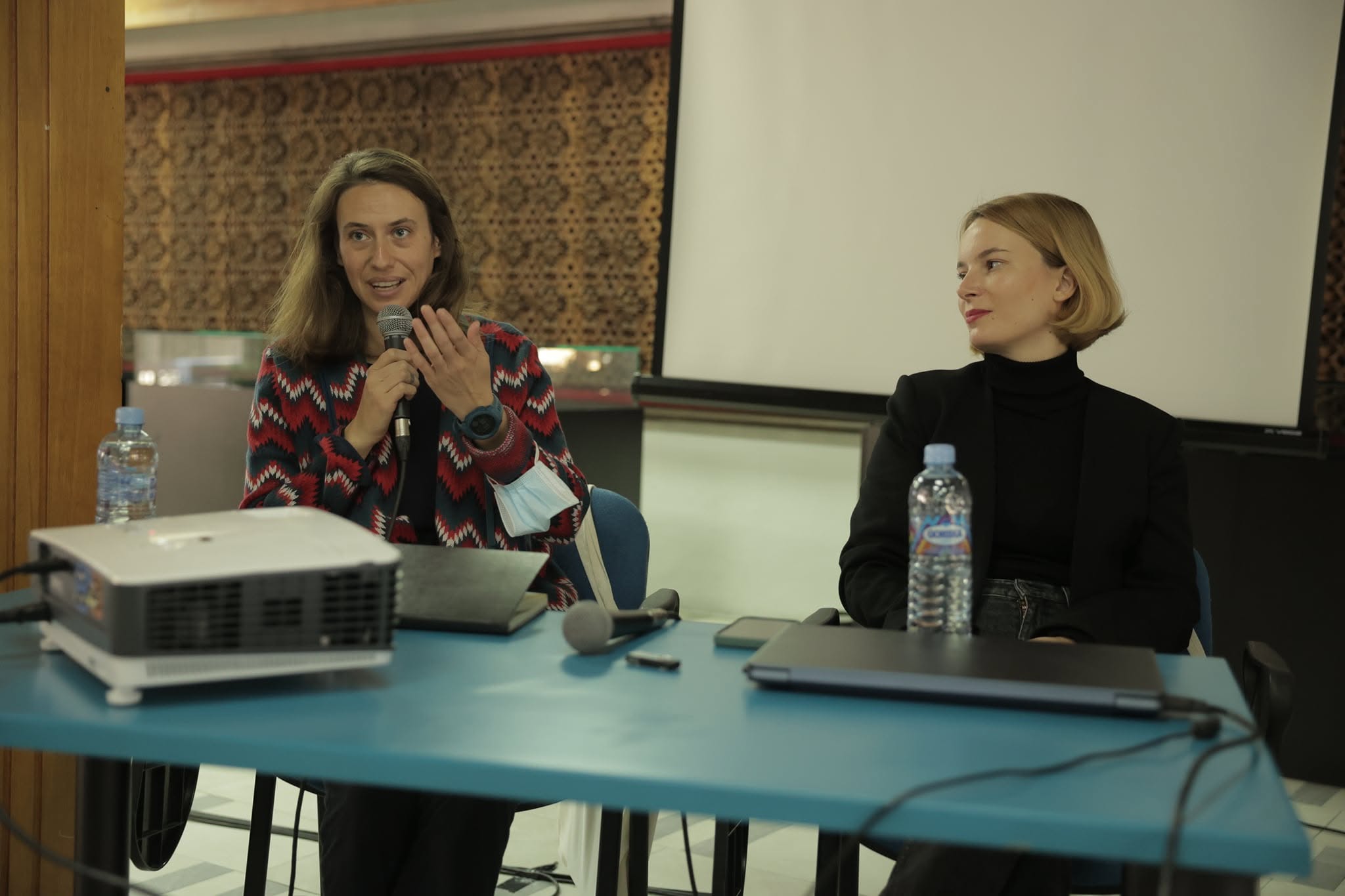
This was followed by a conference titled “Regional Experiences of Archiving and Studying Women’s History in Print Culture – Paths to Preservation and Sharing.” The conference featured Nada Boškovska, Professor at the Department of Eastern European History at the University of Zurich; Ana Kolarić, Assistant Professor at the Department of General and Comparative Literature and Literary Theory at the Faculty of Philology, University of Belgrade; Ivana Pantelić, Research Associate at the Institute for Contemporary History in Belgrade; and Manca G. Renko, Assistant Professor at the Faculty of Humanities, University of Ljubljana. The conference was moderated by Ana Vasileva.
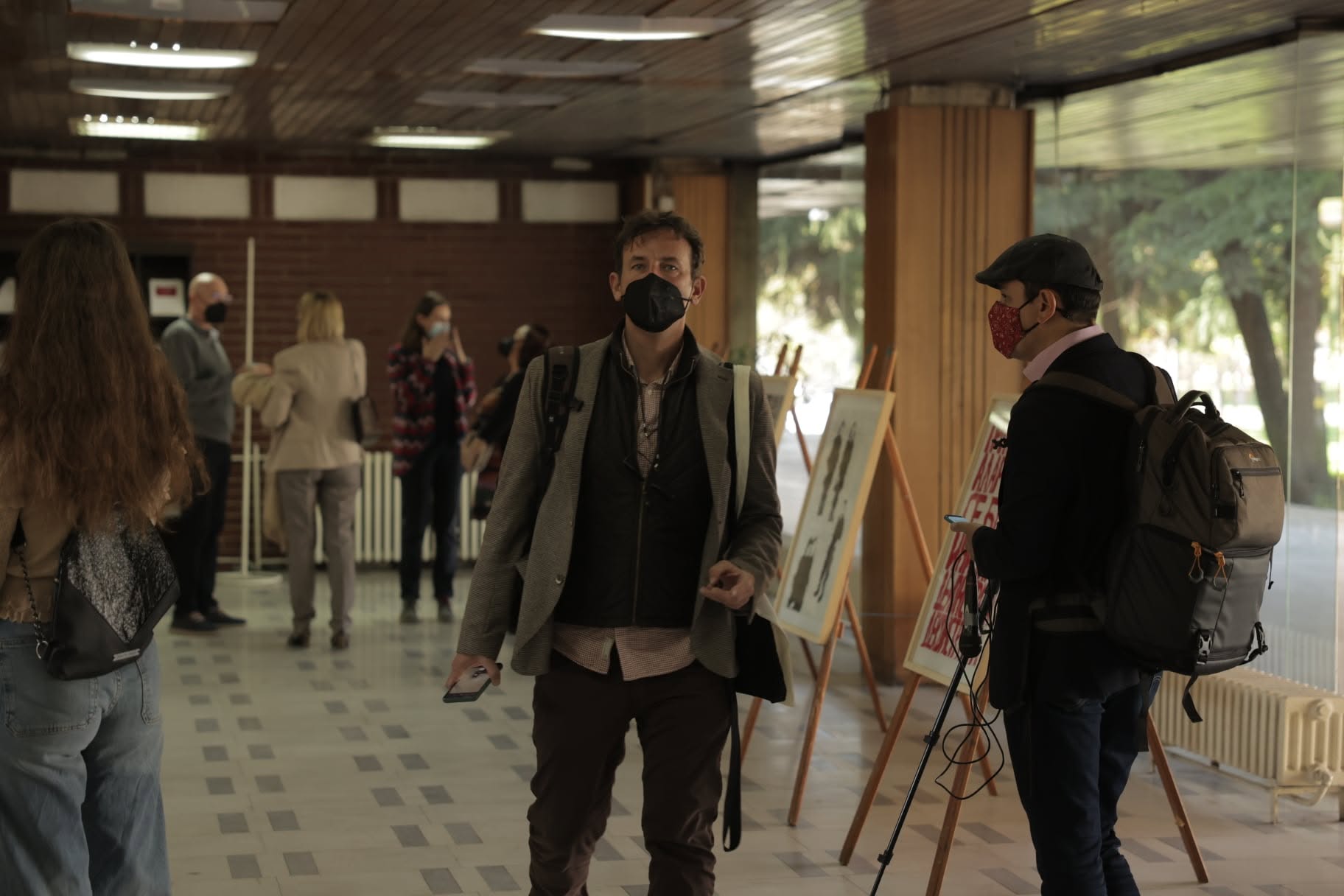
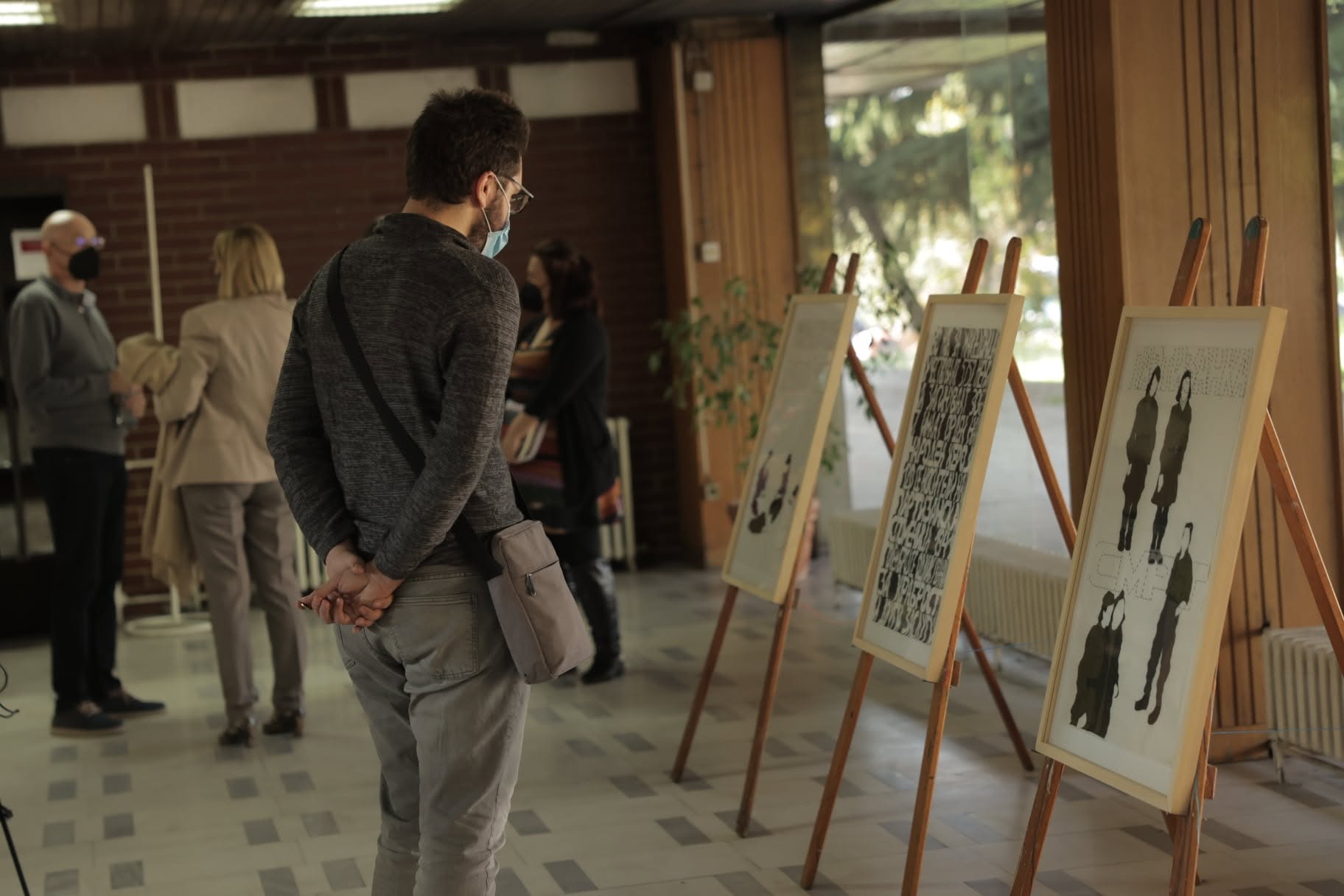
The audience also had the opportunity to visit an exhibition by visual artist Hristina Ivanoska, titled “Museum of Women’s Stories,” an ongoing project initiated in 2015. Through her interdisciplinary practice, Ivanoska explores questions surrounding the suppression, control, and construction of collective memory in relation to women’s strategies and politics of resistance, while critically examining the experiences of contemporary social and political systems and their relationship to theory and history.
The event was organized as part of the Archives of the Invisible project, supported by the Heinrich Böll Foundation, the Ministry of Culture of the Republic of North Macedonia, and the City of Skopje.