DISCUSSION “Anti-Nationalism in the Balkans: Theory and Practice”
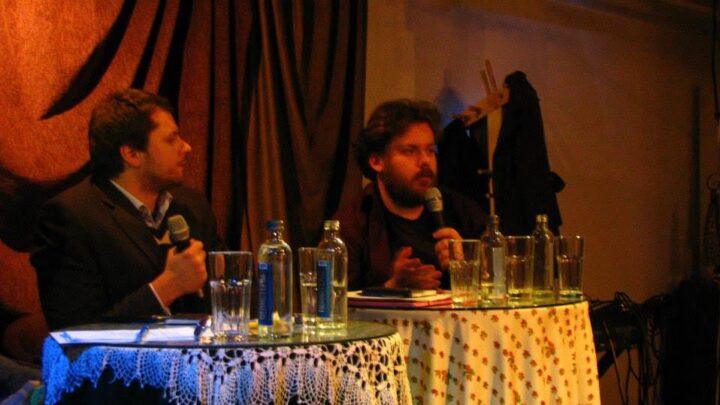
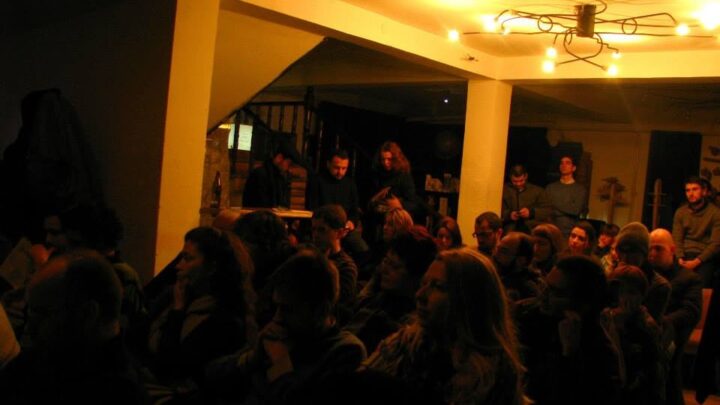
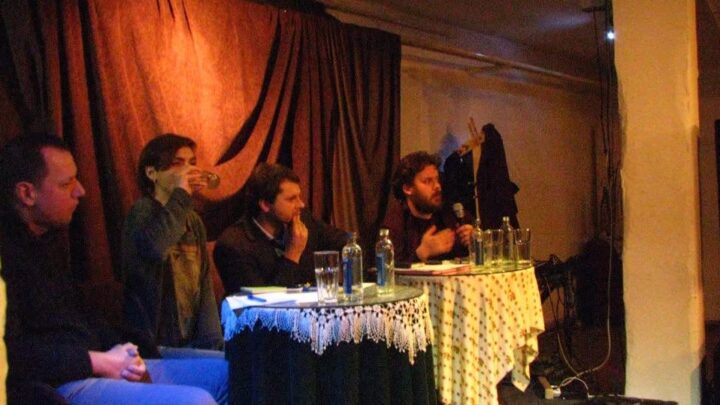
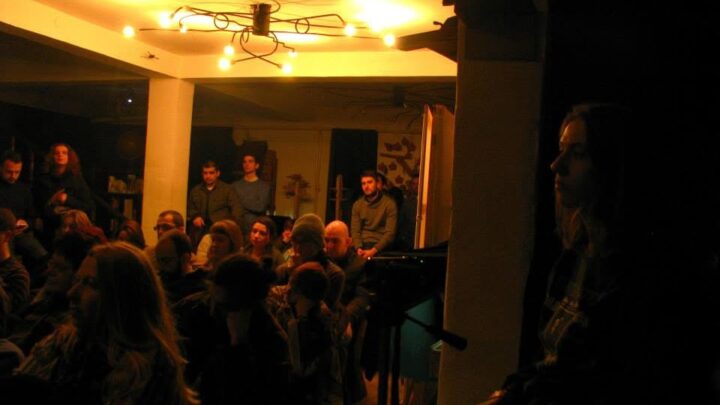
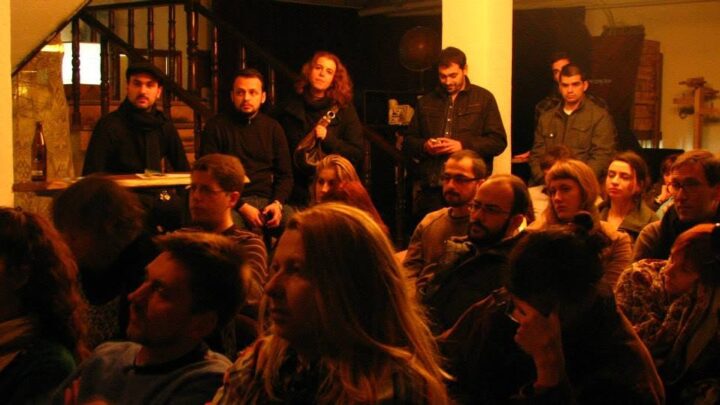
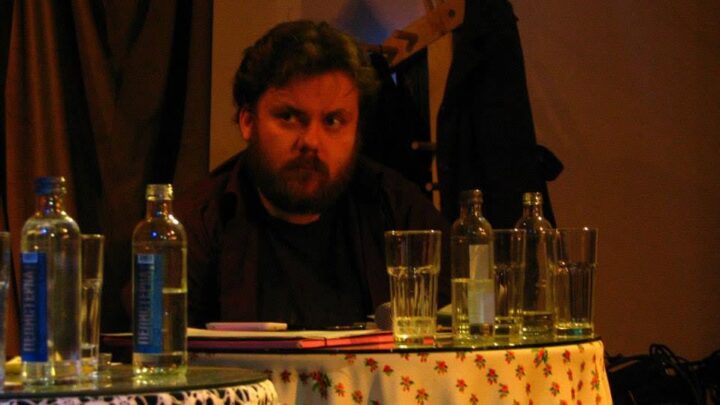
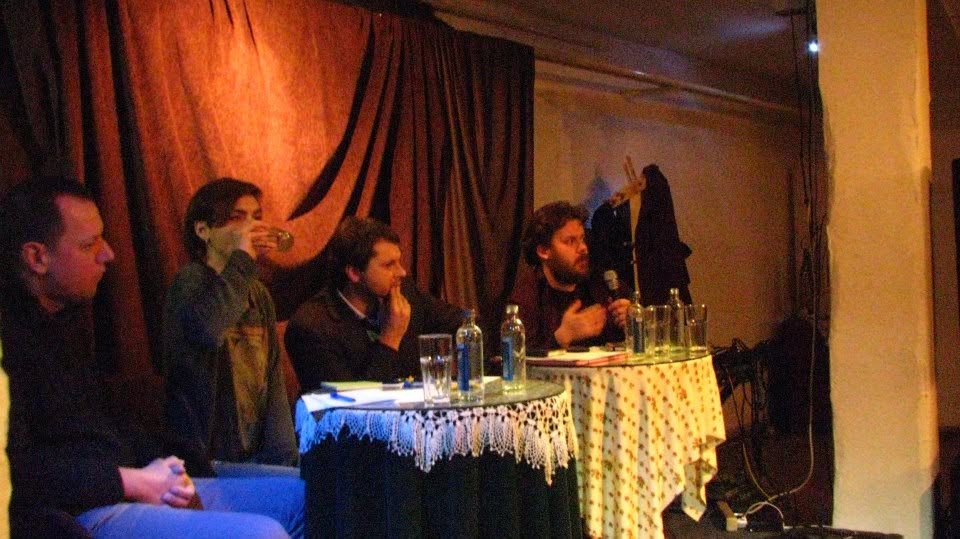
The Center for Research of Nationalism and Culture is hosting the discussion ‘Anti-nationalism in the Balkans: Theory and Practice’ (01.02.2014, 18h., Menada, Skopje).
Speakers:
Tchavdar Marinov, historian and scientific fellow at Ecole Française d’Athénes, author of the study The Macedonian Question from 1944 to today: communism and nationalism in the Balkans.
Ivana Dragshikj, Ploshtad Sloboda.
Misha Popovikj, researcher and activist.
Anastas Vangeli, PhD candidate at the Graduate School for Social Research, Polish Academy of Sciences, Warsaw.
Moderator: Jovan Bliznakovski.
ABSTRACT:
The fall of the ‘Iron Curtain’ and the final breakdown of the ‘Eastern’ socialist bloc at the beginning of the 1990s brought to intensification of nationalist sentiments all over Central and Eastern Europe, including the Balkans. The bloody wars which ended the disintegration of Socialist Yugoslavia represented the most extreme case of nationalist radicalization and militarization in Europe after the Second World War. Nationalist turmoil in the Balkans between the states and within the states continues in the 21st century. The political scene is dominated by disputes over the status of minorities, but also by disputes connected with ‘historical rights’ of sovereign states, which are sometimes connected to the idea of ‘territorial rights’ of states and peoples. Meanwhile, the economic crisis in the states of ‘Old’ Western Europe has initiated the rise of various right-wing ideologies and movements which often rely on the nationalist sentiment and are successfully capturing the public attention.
In the middle of it all, the nation-state is still and undoubtedly the basic organizational unit in the global society. As seen through the prism of the concept of ‘banal nationalism’ (Michael Billig), nationalism, ‘hard’ or ‘soft’, ‘Eastern’ or ‘Western’, represents the leading global ideology which legitimizes the social order. In such situation, the political elites, in the Balkans and elsewhere, have at their disposal the nationalist ideology as a powerful resource of political mobilization which is often instrumentalized in politics. The other side of the coin can be found in the resistance towards such practices, hereby identified as ‘anti-nationalism’.
In a most basic conceptualization, anti-nationalism can be explained as a sentiment which arises as an opposition towards nationalism. It is contentious whether anti-nationalism can be constructed as an ideology of its own right and that is why we choose to rely on the term ‘sentiment’. But, what can be identified as anti-nationalism in the Balkan context, but also in other places/contexts? Which agents are typically related with it? Which political ideologies are associated with anti-nationalism? What are the commonalities and differences between various Balkan nationalisms, as well as various Balkan anti-nationalist activities?
The discussion ‘Anti-nationalism in the Balkans: theory and practice’ will facilitate exchange of views and experiences connected to the raised issues.